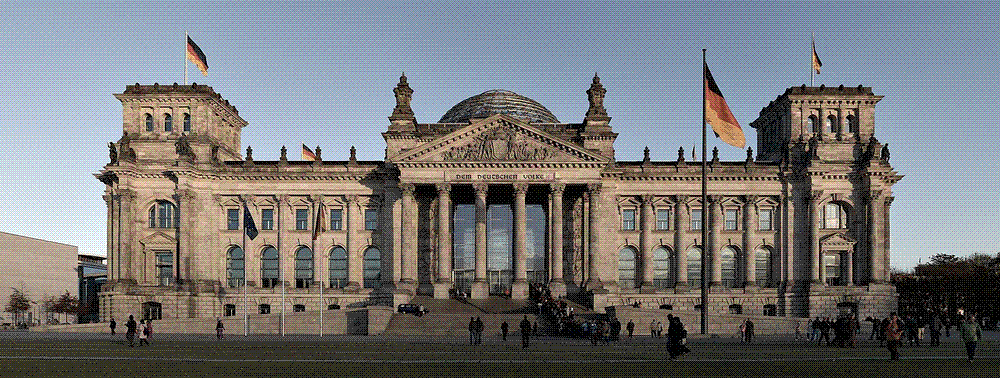
The Reichstag building in Berlin, seat of the German Bundestag, with its glass dome, seen from the west before sunset.

Jürgen Matern / Wikimedia Commons, CC BY-SA 3.0

PoliticsBBC · Reuters · APSep 24, 2026

The far-right AfD makes historic gains in a German state election, and Merz calls the result a 'disaster' for his party

Reporting from eastern Germany early in the week found immigrants increasingly asking whether they still belonged, as the far-right Alternative for Germany built on recent electoral wins and moved further into the mainstream. On 21 September the AfD led the exit polls in the north-eastern state of Mecklenburg-Vorpommern, while in Berlin a far-left party won on a platform of nationalising housing. Chancellor Friedrich Merz called the result a 'disaster' for his Christian Democrats but vowed to stay on and to keep his coalition together for Germany's 'democratic future'. No formal leadership challenge emerged, but commentators warned that the erosion of the political centre was weakening his grip on power, and the defeats reverberated through national politics.
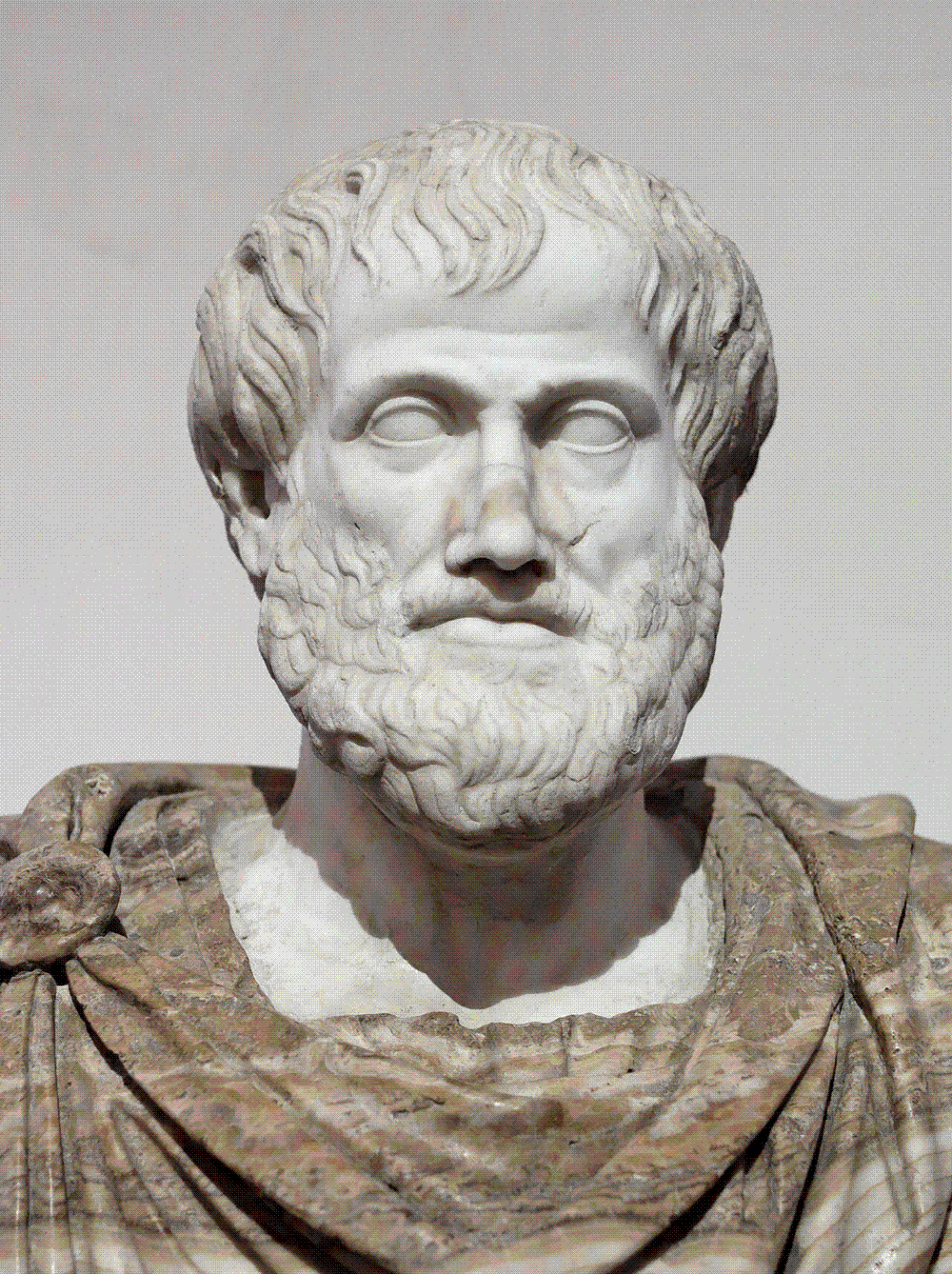
Analogies

Marble bust of Aristotle, a Roman copy after Lysippos, in the Palazzo Altemps, Rome

Aristotle argues in the 'Politics' that a state is most stable when its middle is larger than either extreme

It is plain, then, that the most perfect political community must be amongst those who are in the middle rank, and those states are best instituted wherein these are a larger and more respectable part, if possible, than both the other; or, if that cannot be, at least than either of them separate; so that being thrown into the balance it may prevent either scale from preponderating.
Aristotle, Politics, 4.11 (1295b), trans. William Ellis, Politics: A Treatise on Government (London: J. M. Dent, 1912); Project Gutenberg ebook 6762. →
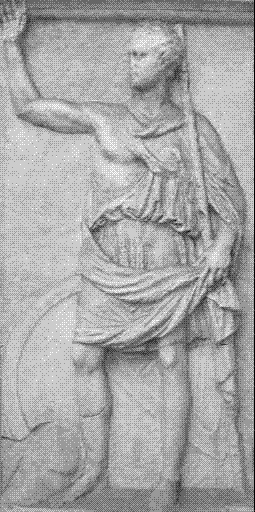
Ancient relief stele showing the historian Polybius standing, holding a spear and shield

Polybius describes how a constitution begins to change: when the people become convinced they are being cheated, and anger replaces consent

And of this change the people will be credited with being the authors, when they become convinced that they are being cheated by some from avarice, and are puffed up with flattery by others from love of office. For when that comes about, in their passionate resentment and acting under the dictates of anger, they will refuse to obey any longer, or to be content with having equal powers with their leaders, but will demand to have all or far the greatest themselves.
Polybius, Histories, 6.57, trans. Evelyn S. Shuckburgh, The Histories of Polybius, vol. 1 (London: Macmillan, 1889); Project Gutenberg ebook 44125. →
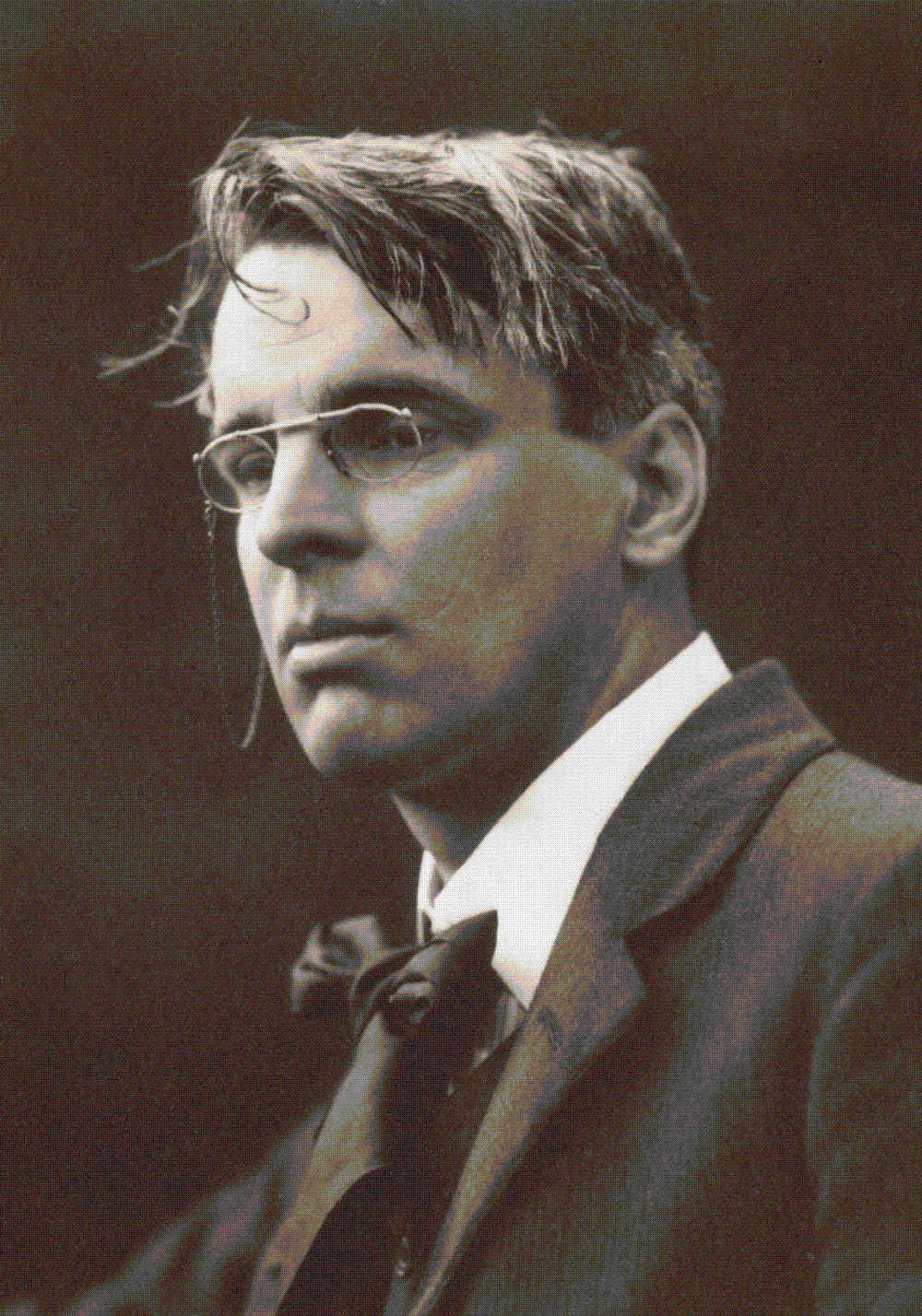
Photographic portrait of W. B. Yeats by George Charles Beresford, with round spectacles and swept-back hair

W. B. Yeats writes 'The Second Coming' in 1919: the centre cannot hold

Turning and turning in the widening gyre / The falcon cannot hear the falconer; / Things fall apart; the centre cannot hold; / Mere anarchy is loosed upon the world, / The blood-dimmed tide is loosed, and everywhere / The ceremony of innocence is drowned; / The best lack all conviction, while the worst / Are full of passionate intensity.
W. B. Yeats, 'The Second Coming', in Michael Robartes and the Dancer (Churchtown, Dundrum: Cuala Press, 1921); first published in The Dial, November 1920; Project Gutenberg ebook 72987. →

Aesop's fable of the Frogs who asked for a King, grew tired of the one they had, and asked again

THE FROGS, grieved at having no established Ruler, sent ambassadors to Jupiter entreating for a King. Perceiving their simplicity, he cast down a huge log into the lake. The Frogs were terrified at the splash occasioned by its fall and hid themselves in the depths of the pool. But as soon as they realized that the huge log was motionless, they swam again to the top of the water, dismissed their fears, climbed up, and began squatting on it in contempt. After some time they began to think themselves ill-treated in the appointment of so inert a Ruler, and sent a second deputation to Jupiter to pray that he would set over them another sovereign. He then gave them an Eel to govern them. When the Frogs discovered his easy good nature, they sent yet a third time to Jupiter to beg him to choose for them still another King. Jupiter, displeased with all their complaints, sent a Heron, who preyed upon the Frogs day by day till there were none left to croak upon the lake.
Aesop, 'The Frogs Asking for a King', in Aesop's Fables, trans. George Fyler Townsend (London: George Routledge and Sons, 1867); Project Gutenberg ebook 21. →
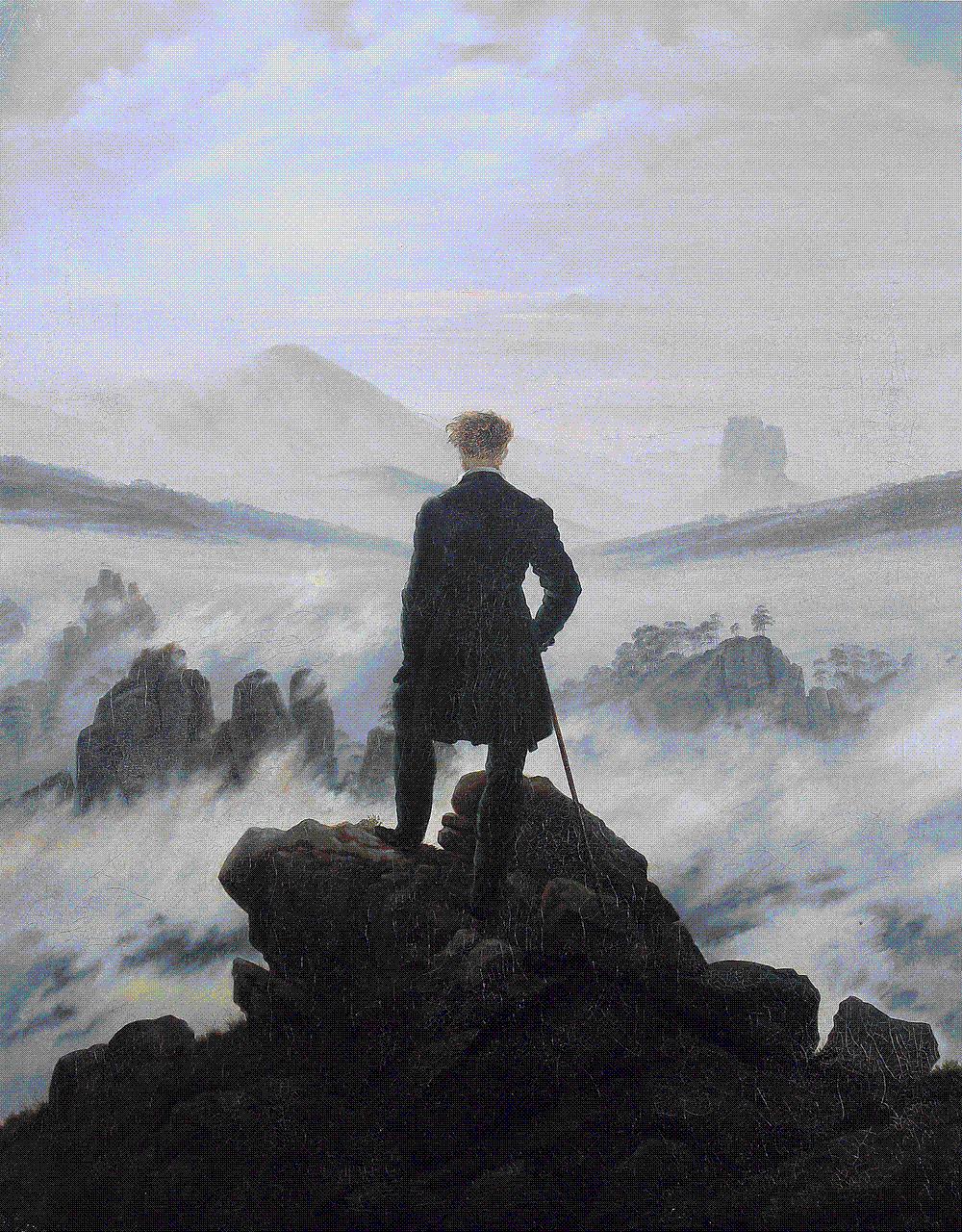
Friedrich's painting of a man seen from behind standing on a rocky peak above a landscape filled with fog

Caspar David Friedrich's 'Wanderer above the Sea of Fog' (c. 1818)

A man in a dark coat stands with his back to us on a rocky summit, cane in hand, looking out over a sea of fog from which other peaks break like islands. We cannot see his face, and we cannot see what lies below the mist. Friedrich painted it around 1818, in the unsettled years after the Napoleonic Wars, and it has become the standard image of a German at a moment of uncertainty — confident in his footing, blind to the ground ahead.
Caspar David Friedrich, Wanderer über dem Nebelmeer (Wanderer above the Sea of Fog), c. 1818, oil on canvas, 94.8 × 74.8 cm; Hamburger Kunsthalle. →
The Bauhaus building in Dessau, a white modernist block with a full-height glass curtain wall and the word BAUHAUS running vertically down one side

The Bauhaus building in Dessau (1925–26), closed by a city council vote in 1932

Walter Gropius's building for the Bauhaus in Dessau, opened in December 1926, is a set of interlocking wings with a glass curtain wall wrapped around the workshop block — the image of a modern, open Germany. Its fate was decided by local elections. After the Nazi party became the largest force on Dessau's city council, the council voted in August 1932 to close the school; it moved to a disused factory in Berlin and dissolved itself in 1933 under pressure from the new regime. The building is now a UNESCO World Heritage Site.
Walter Gropius, Bauhaus Building, Dessau, 1925–26; part of the UNESCO World Heritage Site 'Bauhaus and its Sites in Weimar, Dessau and Bernau' (inscribed 1996, extended 2017). →