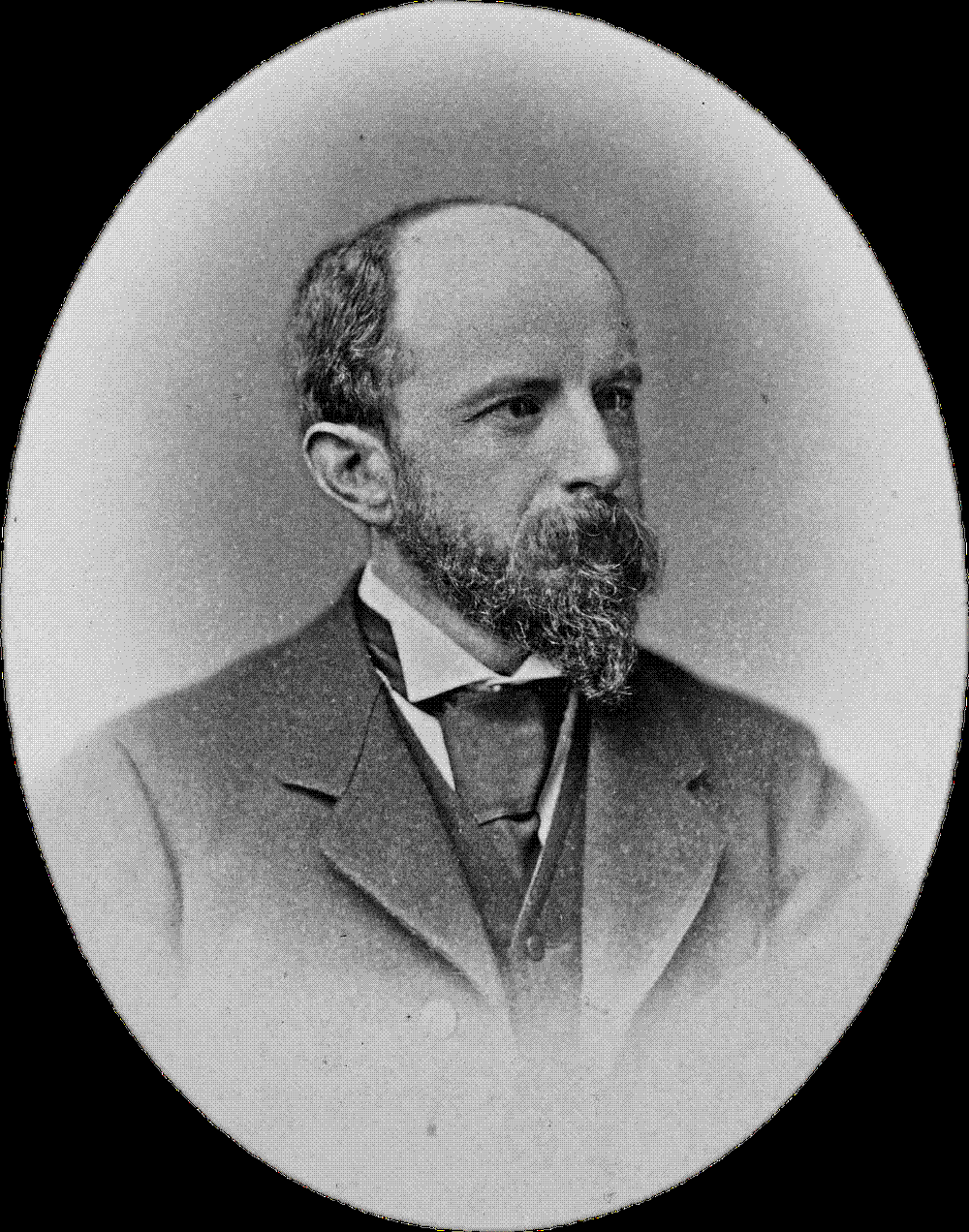
A trench across a concrete apron exposing a cut bundle of heavy grey cables, a digger bucket resting beside it

AI-generated

TechnologyReuters · BBC · APSep 23, 2026

A severed cable and a second British outage in a fortnight expose how old the air traffic system has become

Britain went first. On Monday a new technical failure struck the UK's air traffic control system days after an earlier one, cancelling and delaying flights and drawing public criticism from airlines and the prime minister, with the question shifting from whether these were isolated faults to whether the system itself is at fault. On Tuesday the United States had two failures at once: construction workers cut a cable, and a separate technical problem at a key air traffic centre snarled thousands of flights across the Northeast. The FAA restored service and said the replacement system it is building would not suffer such disruptions. By Wednesday a Reuters investigation had set out why it keeps happening — aging computers, severed cables, upgrade programmes that have been stalled for years — and a senator described communications between American aircraft and the FAA as 'incredibly insecure'. Nothing failed catastrophically this week. What failed was the assumption that infrastructure this old can absorb ordinary accidents.
Analogies

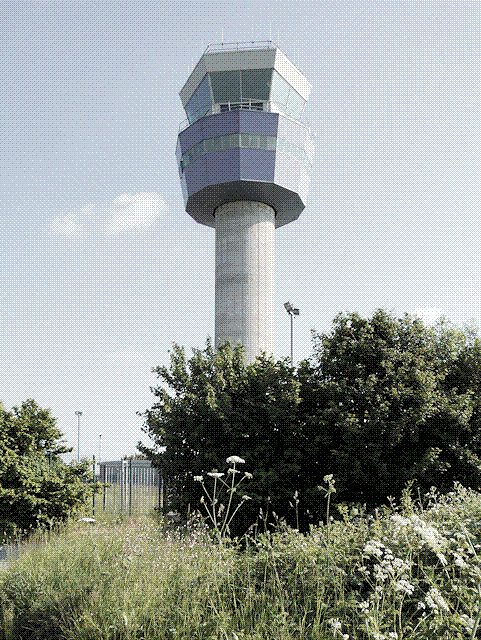
An airport air traffic control tower standing against an open sky

1946: the Supreme Court decides who owns the air, and modern traffic control becomes possible

But that doctrine has no place in the modern world... Were that not true, every transcontinental flight would subject the operator to countless trespass suits. Common sense revolts at the idea.
United States v. Causby, 328 U.S. 256 (1946), opinion of the Court delivered by Justice William O. Douglas. →

August 1981: an American president fires the controllers, and the system never fully rebuilds its depth

they are in violation of the law, and if they do not report for work within 48 hours, they have forfeited their jobs and will be terminated
Ronald Reagan, 'Remarks and a Question-and-Answer Session With Reporters on the Air Traffic Controllers Strike', 3 August 1981; American Presidency Project, University of California, Santa Barbara. →
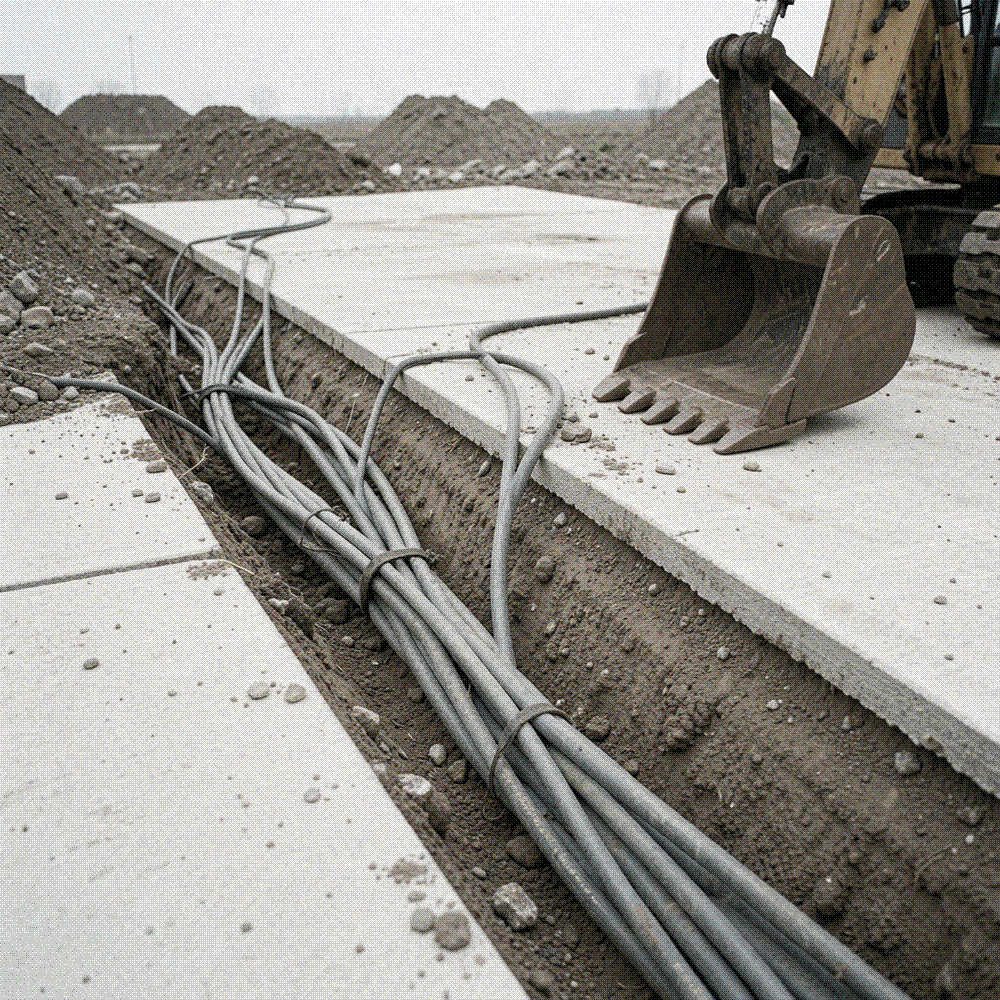
Portrait photograph of the American historian Henry Adams

Henry Adams stands in front of the dynamo in 1900 and understands that he is looking at a force he cannot describe

he began to feel the forty-foot dynamos as a moral force, much as the early Christians felt the Cross
Henry Adams, The Education of Henry Adams, ch. XXV, 'The Dynamo and the Virgin' (privately printed 1907; published 1918); Project Gutenberg ebook 2044. →

Kipling invents air traffic control in 1905 and gives it absolute authority over the planet's sky

She is responsible only to the Aerial Board of Control--the A. B. C. of which Tim speaks so flippantly. But that semi-elected, semi-nominated body of a few score persons of both sexes, controls this planet.
Rudyard Kipling, 'With the Night Mail: A Story of 2000 A.D.', McClure's Magazine, November 1905; Project Gutenberg ebook 29135. →
Piranesi etching of a vast imaginary prison interior with staircases, gantries and hanging chains

Piranesi's 'Carceri' (c. 1750) draws infrastructure that has outgrown any plan of itself

Staircases climb to landings that serve nothing. Gantries cross each other at impossible angles, chains hang from beams with no visible purpose, and the vaults recede past any point where a viewer could work out the building's extent. Piranesi was a trained architect, and the prints are exact: every part is drawn as a buildable component. It is only the whole that cannot be understood — a system assembled from sound pieces that no one can hold in mind at once.
Giovanni Battista Piranesi, Carceri d'invenzione (Imaginary Prisons), etchings, Rome, first state c. 1749–50, reworked 1761. →
Bruegel's painting of the Tower of Babel, a vast spiralling structure under construction beside a harbour

Bruegel's 'Tower of Babel' (1563) shows the lower storeys already failing while the top is still being built

Bruegel paints the tower as a working building site, with cranes, scaffolds, quarried stone and hundreds of labourers, and he paints the mistake into it: the arcades lean, the storeys are out of true with each other, and the structure is being raised on foundations that are visibly settling. The masons at the top are working from a different plan from the masons at the bottom. Nothing in the picture has collapsed yet.
Pieter Bruegel the Elder, De toren van Babel (The Tower of Babel), 1563, oil on panel, 114 × 155 cm; Kunsthistorisches Museum, Vienna. →