Wikimedia Commons
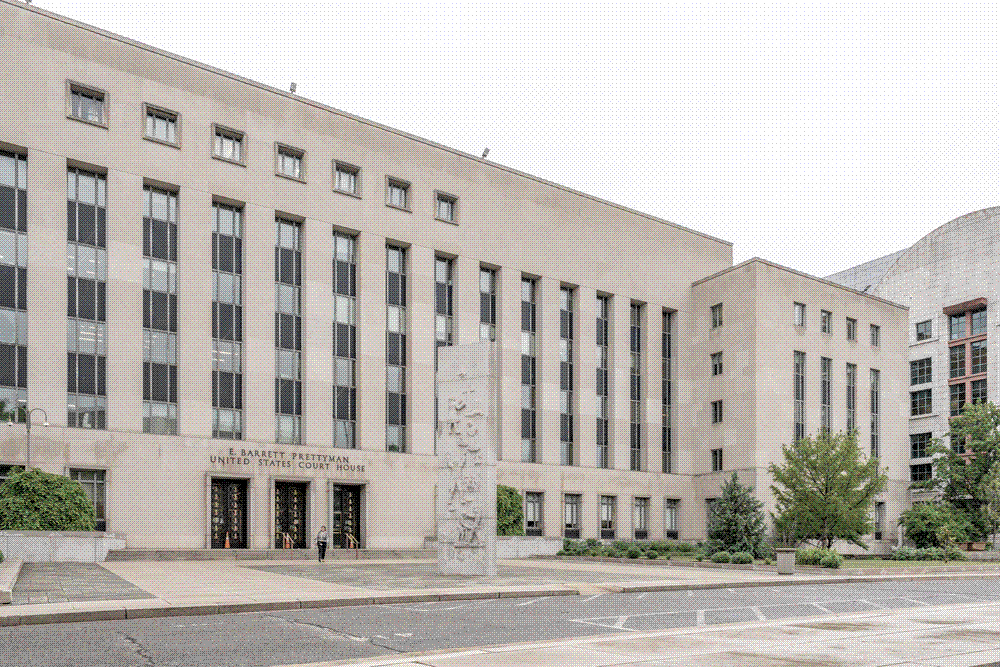
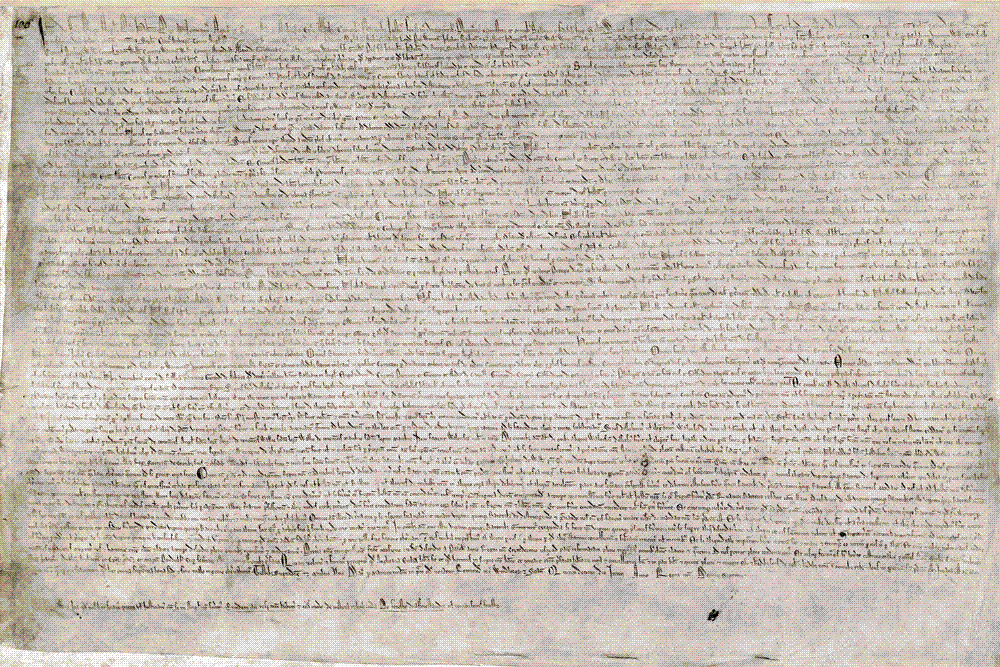
A divided full DC appeals court rules that the EPA likely broke the law in cancelling $20 billion in climate grants Six of the ten judges on the US Court of Appeals for the District of Columbia Circuit, sitting en banc, agreed with a lower-court judge that the Environmental Protection Agency likely violated the law when it terminated grants under the $20 billion Greenhouse Gas Reduction Fund and tried to claw the money back over a policy disagreement. EPA Administrator Lee Zeldin had accused Climate United Fund and other nonprofits chosen to run the 'green bank' of mismanagement and potential fraud. District Judge Tanya Chutkan found the government produced no evidence of fraud when it was asked for some. Analogies King John is forced at Runnymede in June 1215 to promise the immediate return of every estate, castle, liberty and right he had seized without a lawful judgment. 52. If any one shall have been disseized by us, or removed, without a legal sentence of his peers, from his lands, castles, liberties or lawful right, we shall straightway restore them to him. And if a dispute shall arise concerning this matter it shall be settled according to the judgment of the twenty five barons who are mentioned below as sureties for the peace. But with regard to all those things of which any one was, by king Henry our father or king Richard our brother, disseized or dispossessed without legal judgment of his peers, which we have in our hand or which others hold, and for which we ought to give a guarantee: we shall have respite until the common term for crusaders.
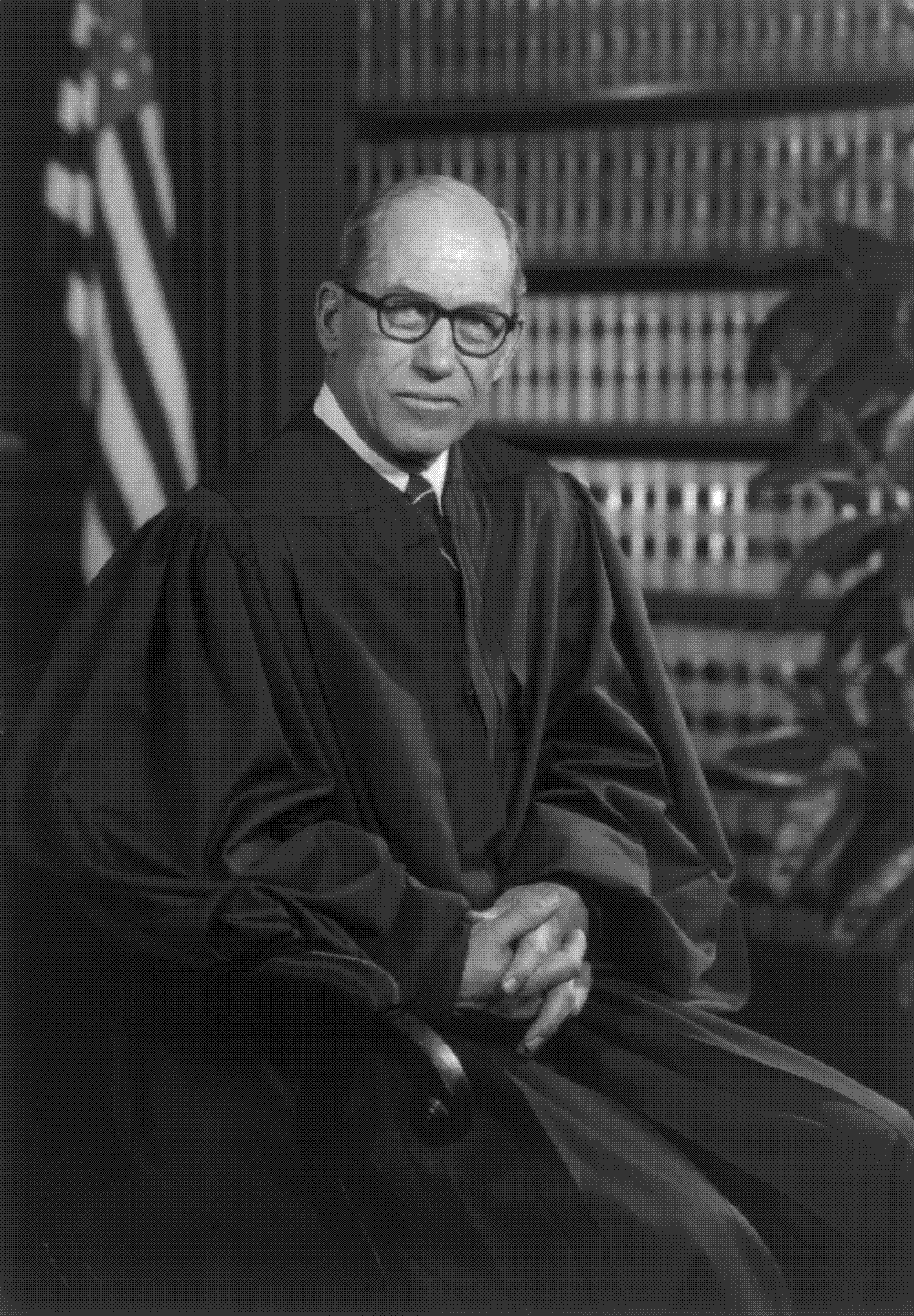
Magna Carta (15 June 1215), clause 52, translated by Ernest F. Henderson in Select Historical Documents of the Middle Ages, Book I (London: George Bell and Sons, 1892); hosted by Wikisource. → On 18 February 1975 the US Supreme Court holds in Train v. City of New York that the EPA Administrator had no power to hold back billions in water-pollution money Congress had directed him to hand out. The District Court granted the respondents' motion for summary judgment, and the Court of Appeals affirmed, holding that "the Act requires the Administrator to allot the full sums authorized to be appropriated in § 207." Held: The 1972 Amendments do not permit the Administrator to allot to the States under § 205 (a) less than the entire amounts authorized to be appropriated by § 207.
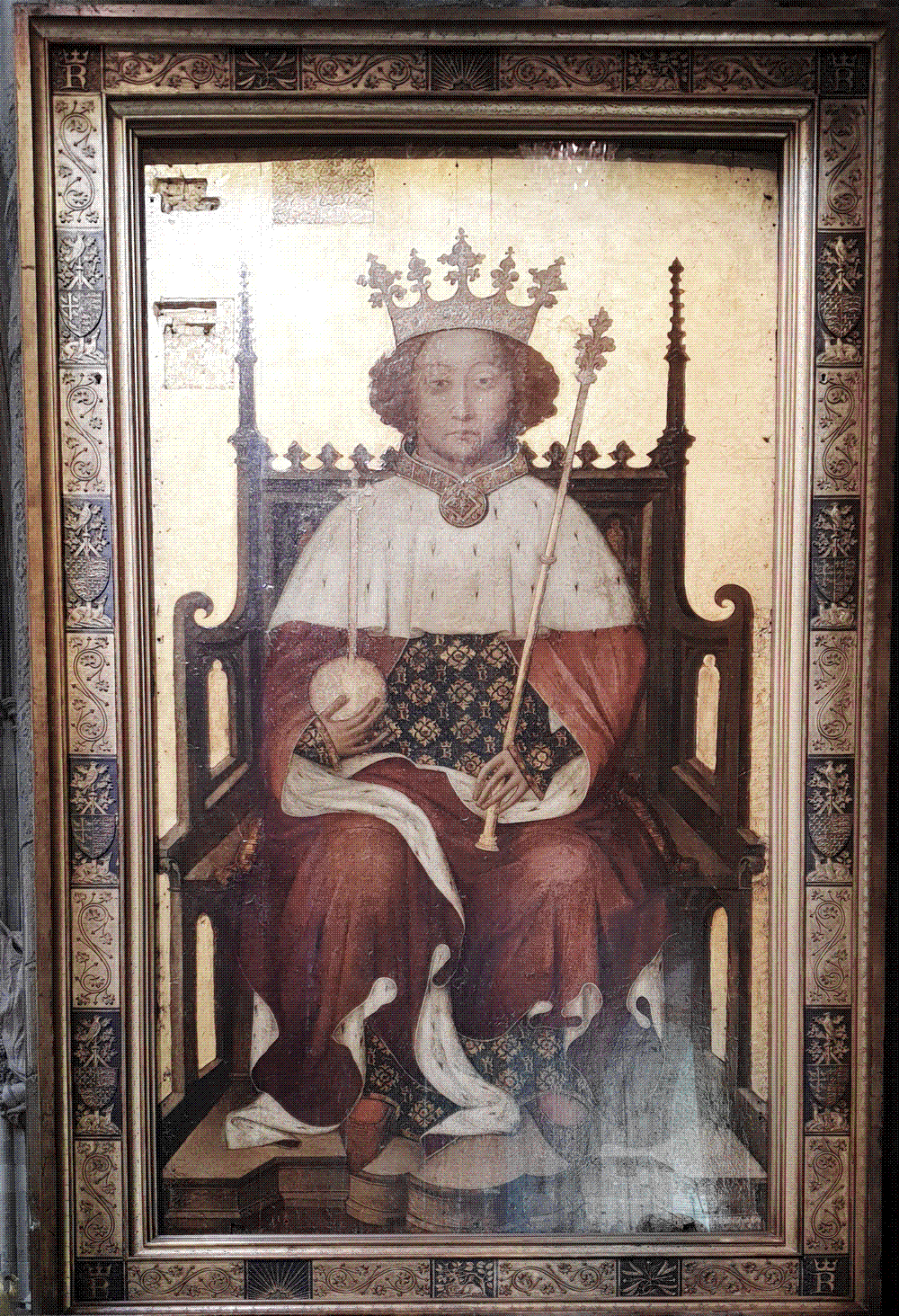
Train, Administrator, Environmental Protection Agency v. City of New York et al., 420 U.S. 35 (1975), syllabus at 35-36; opinion of the Court delivered by Justice Byron R. White, argued 12 November 1974, decided 18 February 1975. United States Reports, vol. 420, pp. 35-49, digitised by the Library of Congress. → In Shakespeare's Richard II, the Duke of York warns the king that confiscating Bolingbroke's inheritance and calling in his letters patent will destroy the king's own title. Take Hereford’s rights away, and take from Time His charters and his customary rights; Let not tomorrow then ensue today; Be not thyself; for how art thou a king But by fair sequence and succession? Now, afore God—God forbid I say true!— If you do wrongfully seize Hereford’s rights, Call in the letters patents that he hath By his attorneys-general to sue His livery, and deny his offered homage, You pluck a thousand dangers on your head, You lose a thousand well-disposed hearts, And prick my tender patience to those thoughts Which honour and allegiance cannot think. KING RICHARD. Think what you will, we seize into our hands His plate, his goods, his money, and his lands.
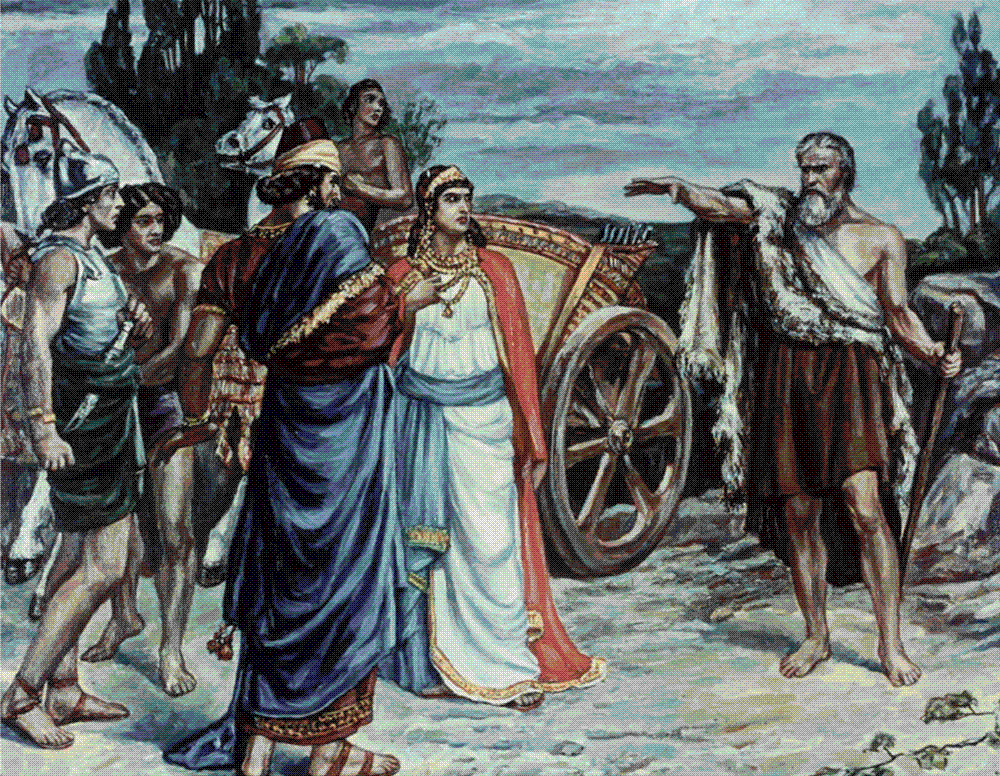
William Shakespeare, King Richard the Second, Act II, Scene 1 (York's rebuke to the King, and the King's reply); Project Gutenberg eBook No. 1512. → In the Book of Kings, Ahab takes possession of Naboth's vineyard after Naboth is condemned on paid false witness, and the prophet Elijah meets him in the seized ground. And it came to pass, when Jezebel heard that Naboth was stoned, and was dead, that Jezebel said to Ahab, Arise, take possession of the vineyard of Naboth the Jezreelite, which he refused to give thee for money: for Naboth is not alive, but dead. And it came to pass, when Ahab heard that Naboth was dead, that Ahab rose up to go down to the vineyard of Naboth the Jezreelite, to take possession of it. And the word of the LORD came to Elijah the Tishbite, saying, Arise, go down to meet Ahab king of Israel, which is in Samaria: behold, he is in the vineyard of Naboth, whither he is gone down to possess it. And thou shalt speak unto him, saying, Thus saith the LORD, Hast thou killed, and also taken possession?
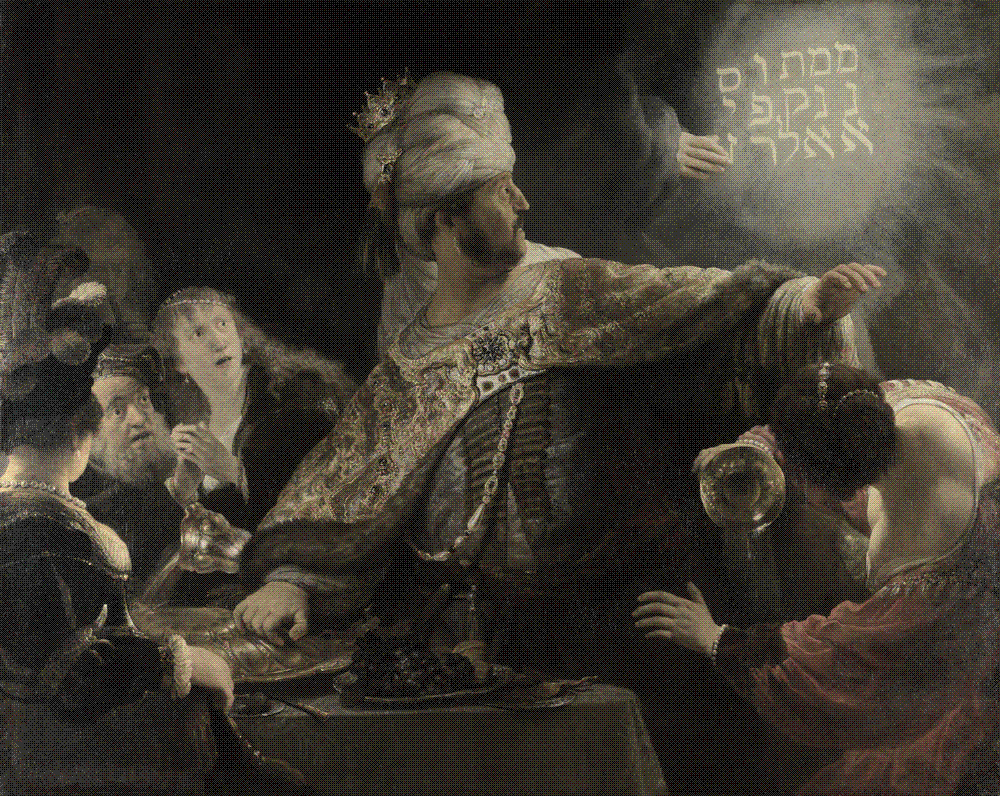
1 Kings 21:15-19, The Holy Bible, King James Version (1611); Wikisource, Bible (King James)/1 Kings. → Rembrandt's Belshazzar's Feast (about 1636-8) paints the moment a ruler feasting off confiscated treasure is told he has been weighed and found wanting. Rembrandt catches the instant a ruler learns his warrant has run out. Belshazzar is serving his banquet in the gold vessels his father stripped from the Temple in Jerusalem, and a disembodied hand has just written the verdict on the wall behind him in glowing Hebrew characters: he has been weighed in the balance and found wanting. The king lurches away from the table in his gold cloak, wine flying from the tipped goblets, trapped between the treasure he holds and the judgment being read out over it, and within hours he is dead.
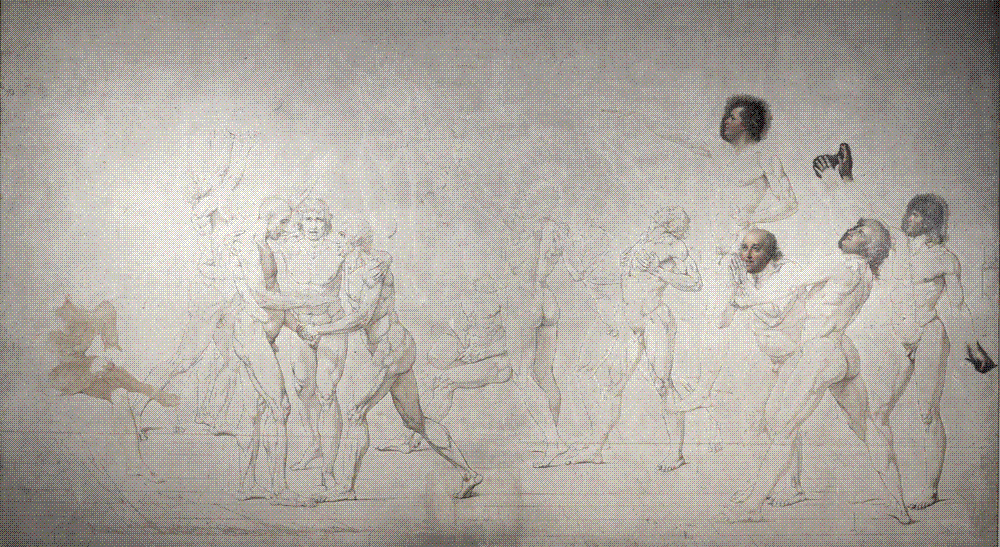
Rembrandt van Rijn, Belshazzar's Feast, about 1636-8, oil on canvas, inventory NG6350; The National Gallery, London (subject taken from Daniel 5:1-5, 25-8). → Jacques-Louis David's unfinished Tennis Court Oath records the day in June 1789 when an assembly claimed the right to decide what the state could raise and spend. David's canvas, four metres by six and a half, freezes the moment a body of representatives decided that it, and not the crown, would settle how France was governed and paid for. Shut out of their hall by the king's officers, hundreds of deputies crowd an indoor tennis court with arms flung toward Bailly on the table, swearing not to separate until they had given the nation a constitution, while wind bursts through the high windows and drives the curtains inward over the throng. Only a few heads were ever worked up in oil; the rest survive as bare outline on raw canvas, so the picture is itself a promise left unfinished.
Jacques-Louis David, Le Serment du Jeu de Paume (The Tennis Court Oath of 20 June 1789), begun 1791 and left unfinished, black and white chalk, charcoal and oil on canvas, 4 x 6.6 m, inventory INV 26182; Musee du Louvre, Departement des Arts graphiques, on long-term loan to the Musee des chateaux de Versailles et de Trianon. →