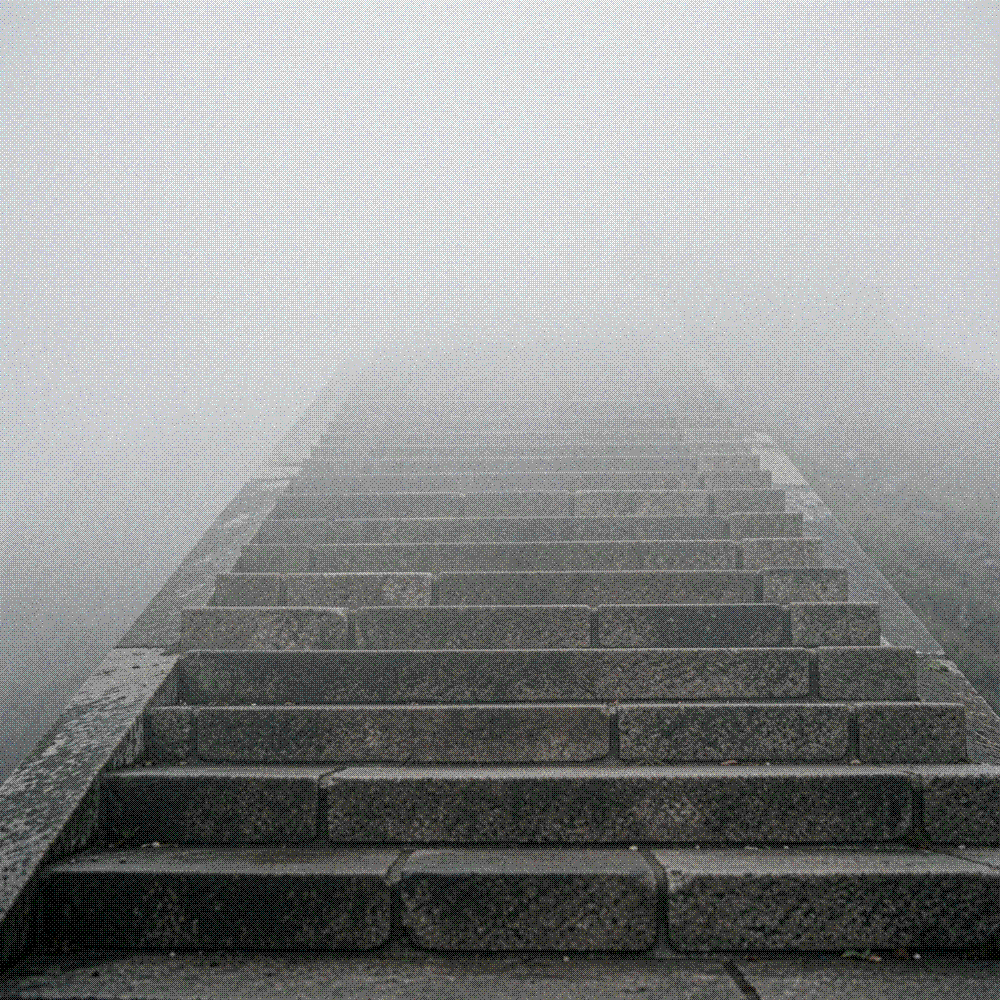
A steep flight of worn stone steps rising into flat grey fog, the upper treads disappearing from view

AI-generated

EconomyAP · BBC · ReutersSep 25, 2026

The 30-year Treasury yield reaches its highest since 2004 as the IMF warns Washington and London over debt costs

The warning came first. On Wednesday the IMF's managing director, Kristalina Georgieva, told the United States and Britain to act on the spiralling cost of their government debt, saying successive shocks had pushed borrowing up 'like a staircase not to heaven', with the British budget weeks away. The market made the same point more bluntly. American mortgage rates rose for a fifth consecutive week to above 7 per cent; on Thursday equities slid as the Treasury yield crossed 5 per cent and investors began pricing a move towards 6, driven by inflation data and the expectation that the Federal Reserve will raise rates before the midterm elections. By Friday the selloff had gone global: the 30-year US yield reached its highest level since 2004, the dollar was set for weekly gains, gold fell, and Asian and Indian markets opened under the weight of it. Analysts spent the week reminding clients what past tightening cycles have done to share prices, and what a government that must refinance at these levels can no longer afford.
Analogies

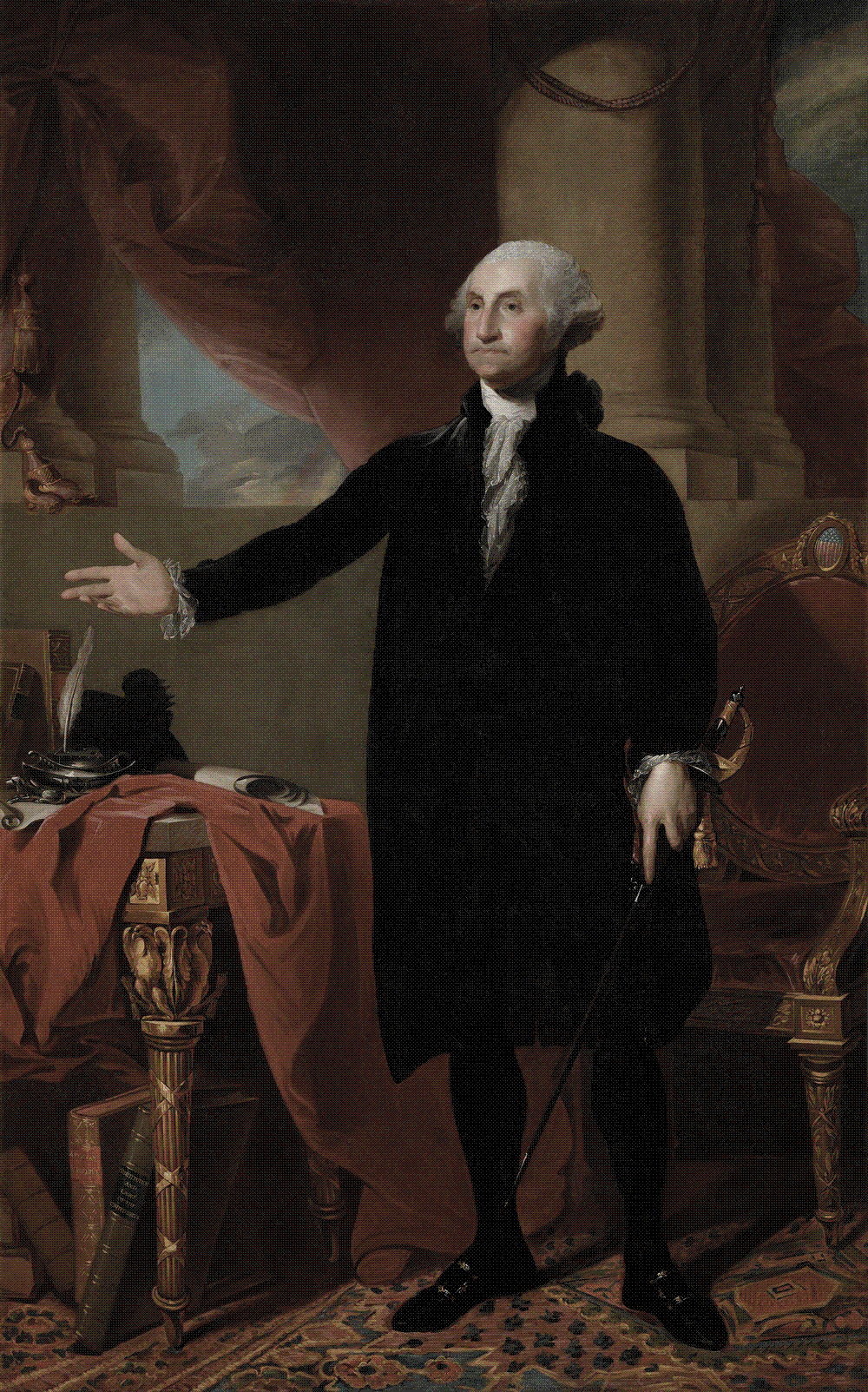
Gilbert Stuart's portrait of George Washington standing beside a table, one arm outstretched

Washington's Farewell Address, 1796: cherish public credit, and do not throw the burden onto posterity

avoiding likewise the accumulation of debt, not only by shunning occasions of expense, but by vigorous exertions in time of peace to discharge the debts, which unavoidable wars may have occasioned, not ungenerously throwing upon posterity the burthen, which we ourselves ought to bear
George Washington, Farewell Address, published in Claypoole's American Daily Advertiser, Philadelphia, 19 September 1796. →
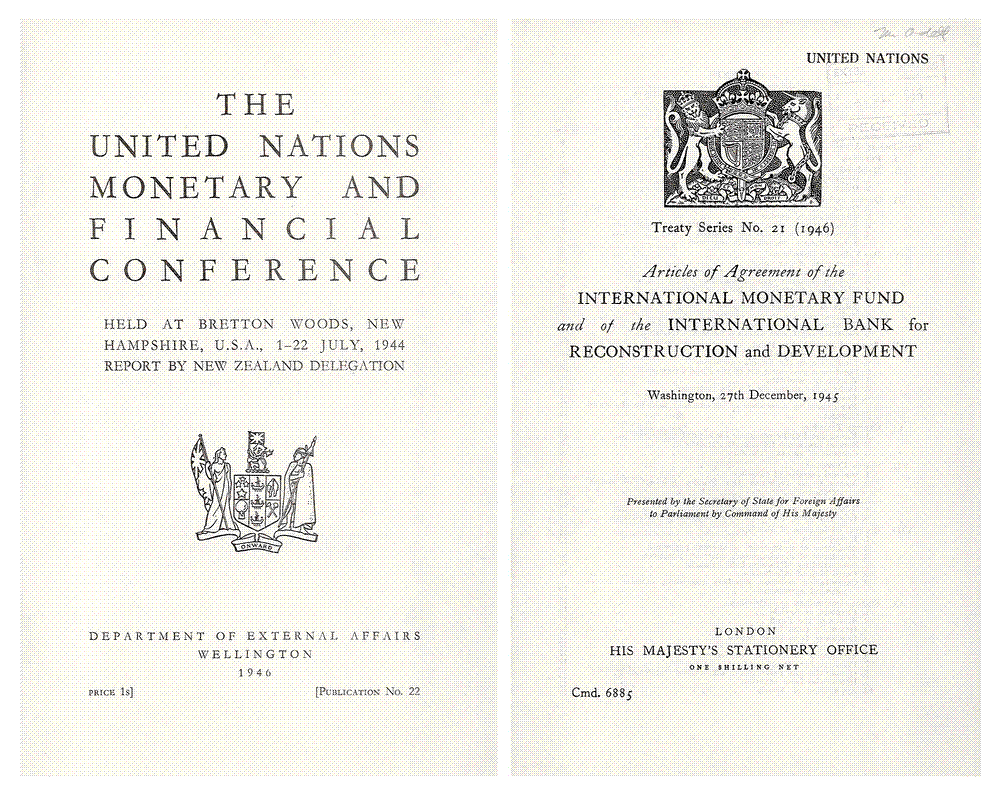
A photograph from the founding of the International Monetary Fund after the 1944 Bretton Woods conference

Bretton Woods, 1944: the institution now issuing the warning was built to be the lender of last resort to governments

international monetary cooperation through a permanent institution which provides the machinery for consultation and collaboration on international monetary problems
Articles of Agreement of the International Monetary Fund, adopted at the United Nations Monetary and Financial Conference, Bretton Woods, New Hampshire, 22 July 1944; Article I, Purposes. →

Mr Micawber states the whole of fiscal policy in two sentences

Annual income twenty pounds, annual expenditure nineteen nineteen and six, result happiness. Annual income twenty pounds, annual expenditure twenty pounds ought and six, result misery.
Charles Dickens, David Copperfield, ch. XII (London: Bradbury & Evans, 1850); Project Gutenberg ebook 766. →
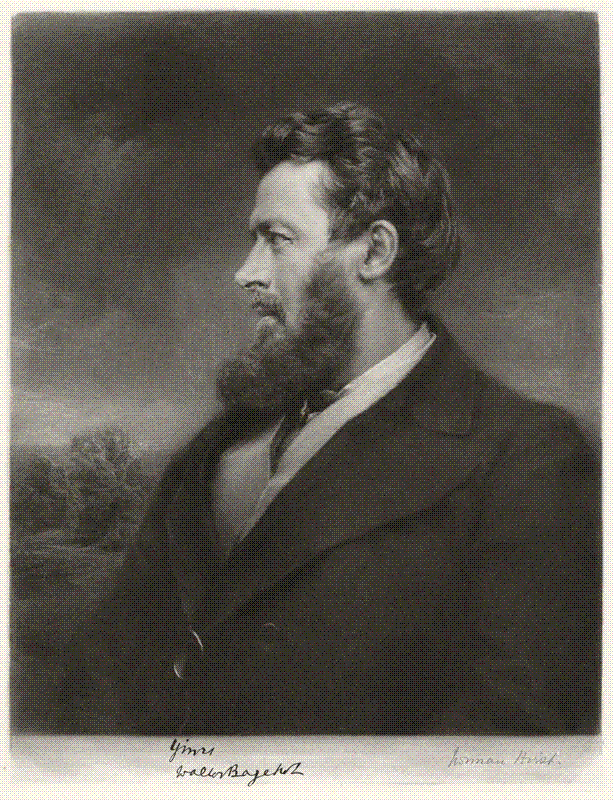
Nineteenth-century portrait photograph of the economist and editor Walter Bagehot

Bagehot, writing in 1873, states the premise the week kept testing

Money will not manage itself, and Lombard street has a great deal of money to manage.
Walter Bagehot, Lombard Street: A Description of the Money Market, ch. I (London: Henry S. King & Co., 1873); Project Gutenberg ebook 4359. →
Hogarth's engraving of the South Sea Bubble: a crowd riding a fairground wheel in a London square, with allegorical figures below

Hogarth's 'The South Sea Scheme' (1721) draws the crowd that could not imagine the price falling

Hogarth's first independent print puts a fairground wheel in the middle of the City of London and sets the public riding it: clergy gambling in a corner, Honesty broken on a wheel by Self-Interest, a devil hacking pieces off the body of Fortune and throwing them to the crowd below. He engraved it in the year the South Sea Company's shares fell from £1,000 to under £150 and took the savings of much of the political class with them.
William Hogarth, The South Sea Scheme, engraving, London, 1721. →
Lorenzetti's fresco of a well-governed city: masons at work on a roof, shops open and dancers in the street

Lorenzetti's Siena frescoes (1338–39) put the consequences of governing well and badly on two facing walls

On one wall a city works: masons build, a shop is open, wheat comes in through the gate, dancers cross the street and the countryside beyond is planted and safe. On the opposite wall, under a horned figure of Tyranny, the buildings are cracked, the fields are burnt and the roads hold armed men. The frescoes were commissioned for the room where Siena's nine ruling magistrates sat, so that the people making the decisions would have to look at both outcomes while they made them.
Ambrogio Lorenzetti, Allegoria ed effetti del Buono e del Cattivo Governo, 1338–39, fresco; Sala dei Nove, Palazzo Pubblico, Siena. →