Wikimedia Commons
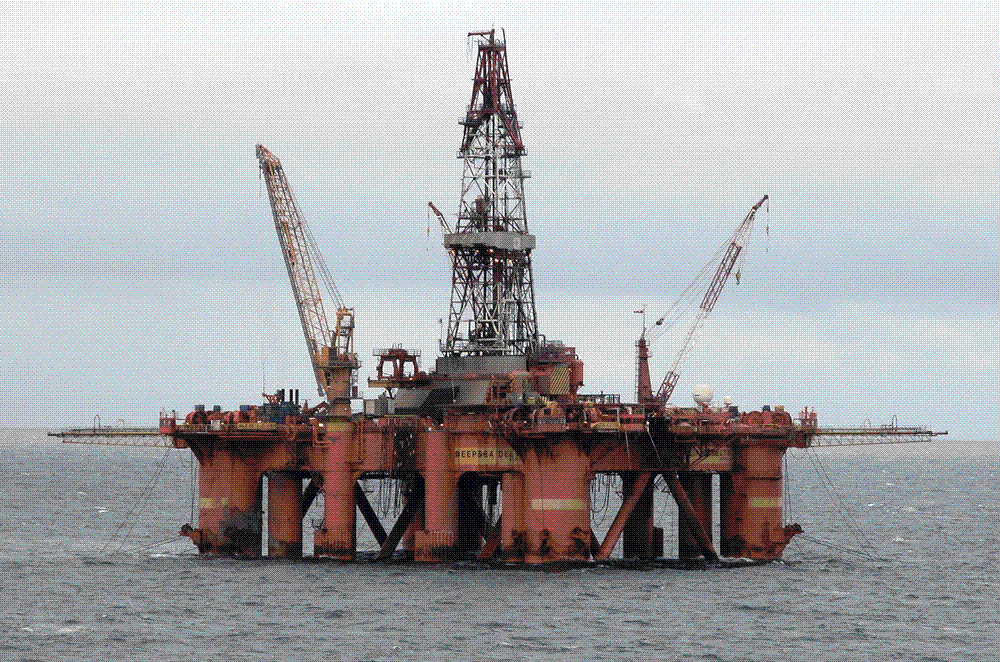
BP's quarterly profit more than doubles to $5.73 billion as the Iran war drives Brent crude above $100 a barrel BP's underlying replacement cost profit rose from $2.35 billion a year earlier and beat forecasts of about $5.11 billion, lifted by higher oil and gas prices and strong refining margins. Brent averaged $103.85 a barrel over the quarter against $81.13 in the first three months of the year. Saudi Aramco separately reported a 44% rise in net profit, days after President Trump accused Big Oil of "making too much money" from the war. Analogies Athens, 386 BC: the grain dealers who prayed for bad news For their interests are the opposite of other men's: they make most profit when, on some bad news reaching the city, they sell their corn at a high price. And they are so delighted to see your disasters that they either get news of them in advance of anyone else, or fabricate the rumor themselves; now it is the loss of your ships in the Black Sea, now the capture of vessels on their outward voyage by the Lacedaemonians, now the blockade of your trading ports, or the impending rupture of the truce; and they have carried their enmity to such lengths that they choose the same critical moments as your foes to overreach you.
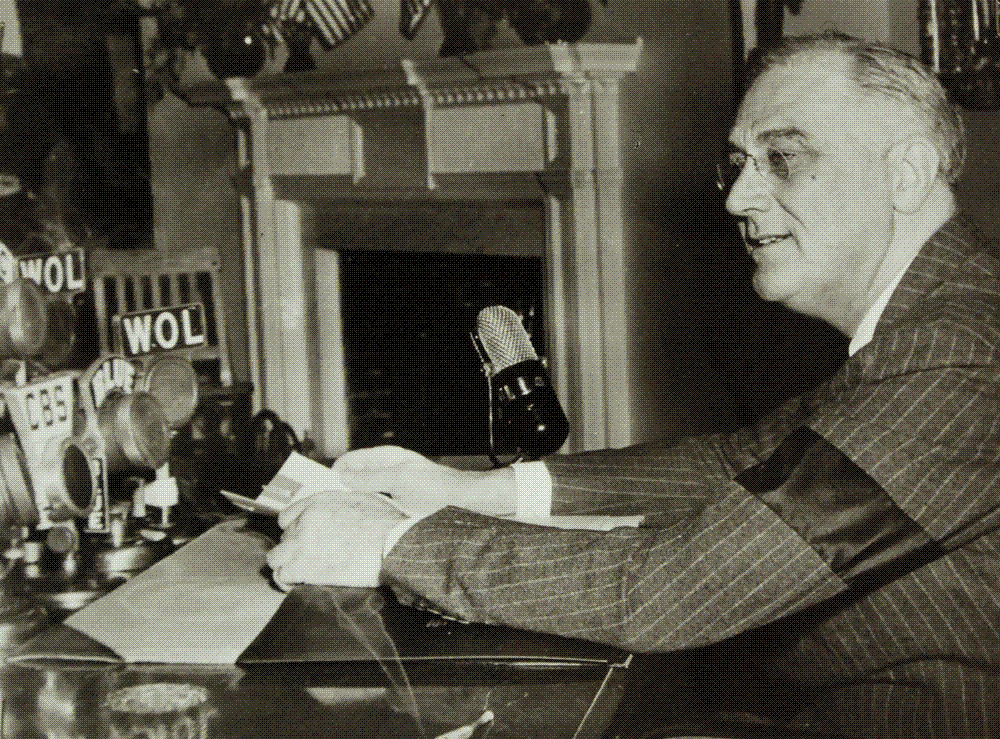
Lysias, Against the Corn Dealers (Oration 22), §14, delivered at Athens c. 386 BC. Lysias with an English translation by W. R. M. Lamb, M.A., Cambridge, MA: Harvard University Press; London: William Heinemann Ltd., 1930. Hosted by the Perseus Digital Library, Tufts University. → April 1942: a president tells the shareholders their war profits will be cut Are you a businessman, or do you own stock in a business corporation? Well, your profits are going to be cut down to a reasonably low level by taxation. Your income will be subject to higher taxes. Indeed in these days, when every available dollar should go to the war effort, I do not think that any American citizen should have a net income in excess of $25,000 per year after payment of taxes.
Franklin D. Roosevelt, Fireside Chat of 28 April 1942 ("On Our National Economic Policy"), broadcast from the White House, Washington, D.C. Text hosted at Wikisource. → Waterloo eve: Becky Sharp prices her horses by the panic Jos seldom spent a half-hour in his life which cost him so much money. Rebecca, measuring the value of the goods which she had for sale by Jos's eagerness to purchase, as well as by the scarcity of the article, put upon her horses a price so prodigious as to make even the civilian draw back. "She would sell both or neither," she said, resolutely. ... Jos ended by agreeing, as might be supposed of him. The sum he had to give her was so large that he was obliged to ask for time; so large as to be a little fortune to Rebecca.
William Makepeace Thackeray, Vanity Fair: A Novel without a Hero (serialized 1847–48; London: Bradbury and Evans, 1848), Chapter XXXII, "In Which Jos Takes Flight, and the War Is Brought to a Close." Project Gutenberg eBook #599. → Undershaft states the armourer's creed: an honest price, from anyone CUSINS. What on earth is the true faith of an Armorer? UNDERSHAFT. To give arms to all men who offer an honest price for them, without respect of persons or principles: to aristocrat and republican, to Nihilist and Tsar, to Capitalist and Socialist, to Protestant and Catholic, to burglar and policeman, to black man white man and yellow man, to all sorts and conditions, all nationalities, all faiths, all follies, all causes and all crimes.
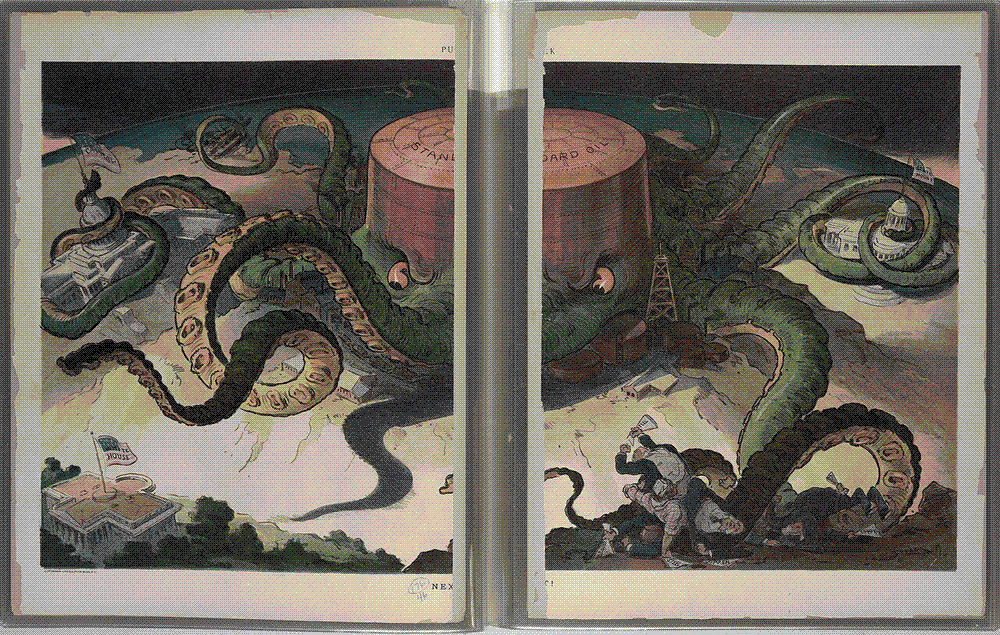
Bernard Shaw, Major Barbara (first performed at the Royal Court Theatre, London, 28 November 1905; published 1907), Act III. Project Gutenberg eBook #3790. → "Next!" — Standard Oil drawn as an octopus reaching for the White House A squat oil storage tank sprouts an octopus's tentacles that coil around the steel, copper and shipping industries, wrap a state capitol and the dome of the U.S. Congress, and grope across the page toward the White House. Published in Puck on 7 September 1904, the single-word caption — "Next!" — turns an accounting fact, the sheer scale of oil money, into a public grievance about who is being squeezed and who is being bought. It remains the defining image of the fuel monopoly as a creature that grows fat on everyone else's necessity.
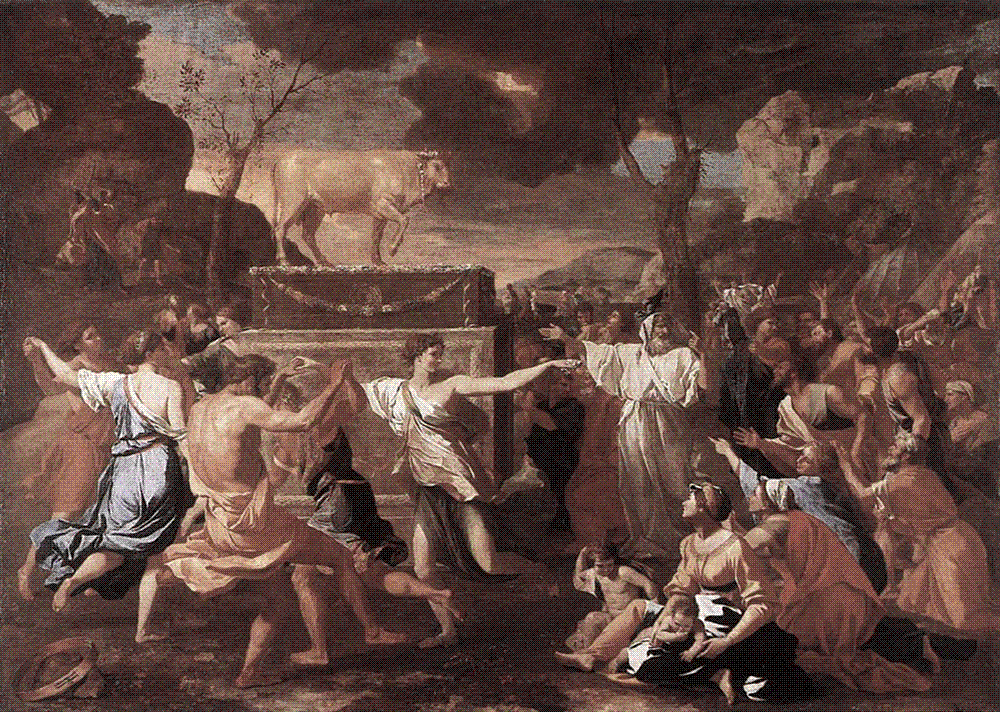
Udo J. Keppler (1872–1956), "Next!", chromolithograph published in Puck, vol. 56, no. 1436 (New York: J. Ottmann Lith. Co., Puck Bldg., 7 September 1904). Library of Congress Prints and Photographs Division, Washington, D.C., reproduction no. LC-DIG-ppmsca-25884; no known restrictions on publication. → "Et Satan conduit le bal": Gounod's hymn to the golden calf, sung to soldiers Le veau d'or est toujours debout; / On encense / Sa puissance / D'un bout du monde à l'autre bout! / Pour fêter l'infâme idole, / Peuples et rois confondus, / Au bruit sombre des écus / Dansent une ronde folle / Autour de son piédestal?... / Et Satan conduit le bal! ... Il contemple, ô rage étrange! / A ses pieds le genre humain / Se ruant, le fer en main, / Dans le sang et dans la fange / Où brille l'ardent métal!... / Et Satan conduit le bal!
Charles Gounod, Faust, CG 4, opera in five acts, libretto by Jules Barbier and Michel Carré; first performed Théâtre Lyrique, Paris, 19 March 1859; first published Paris: Choudens, 1859. Méphistophélès's Act II "Ronde du veau d'or," sung in a tavern to soldiers about to march. Scores hosted at IMSLP / Petrucci Music Library; French text quoted from the libretto edition Faust: A Lyric Drama in Five Acts, Project Gutenberg eBook #45806. →