Wikimedia Commons
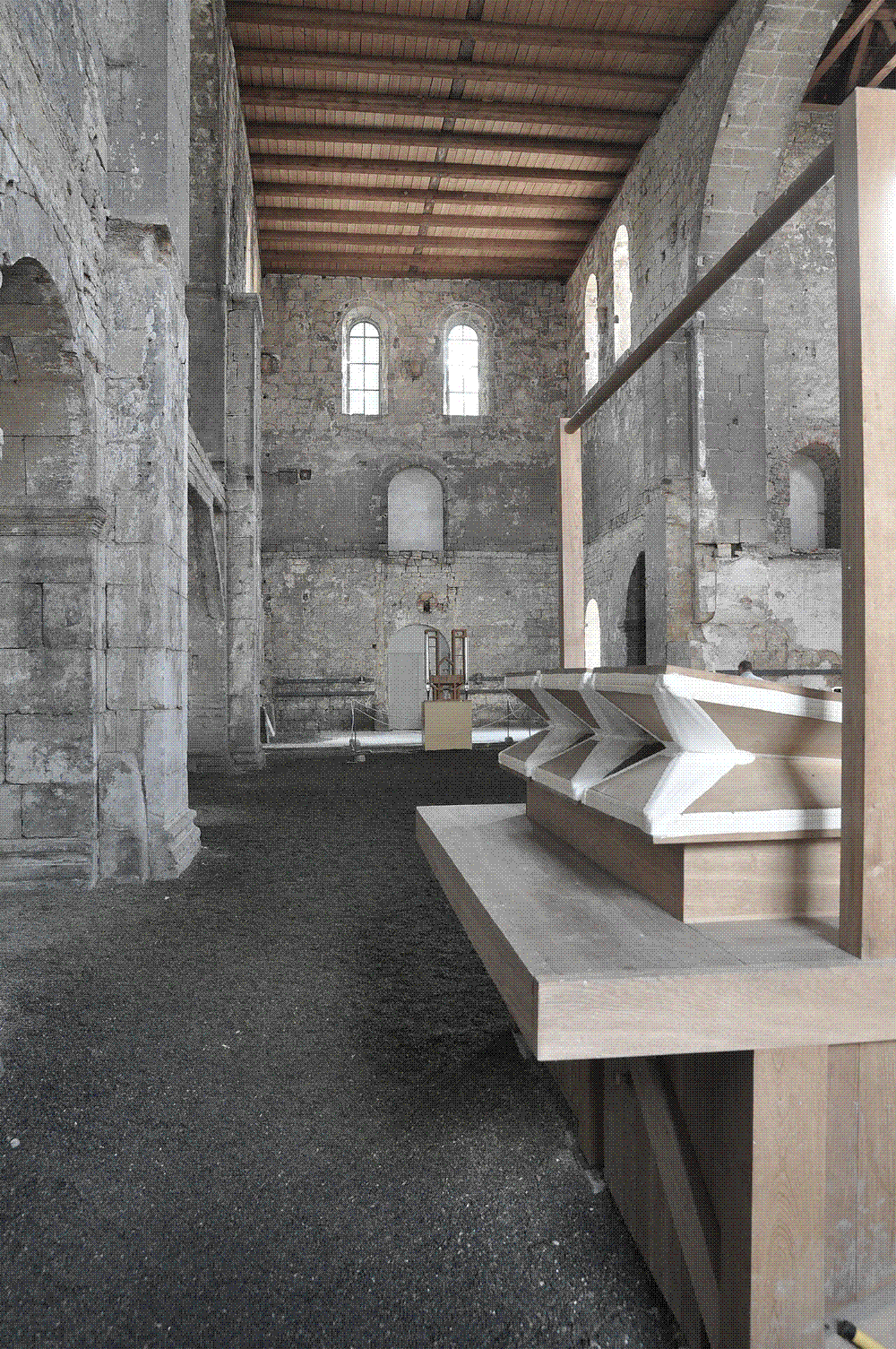
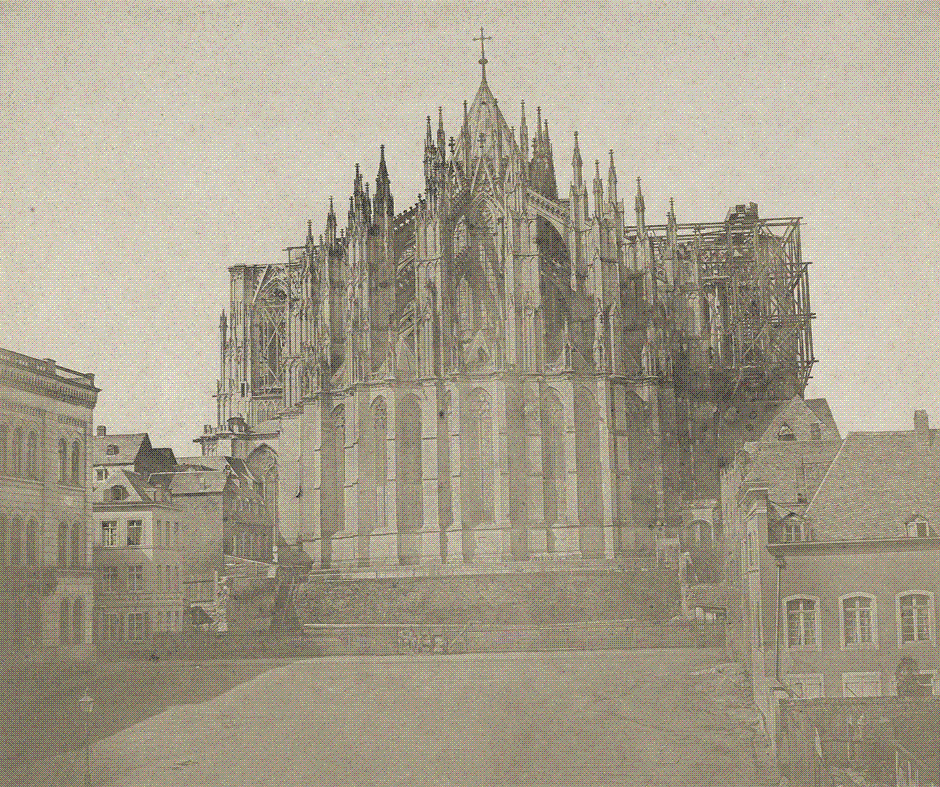
John Cage's 639-year organ piece changes chord for the first time in two years In the Burchardi church in Halberstadt, Germany, a purpose-built organ has been playing a single piece of music since 2001, and this week it did something eventful: it changed chords, for the first time in more than two years. The work is John Cage's 'Organ²/ASLSP' — As Slow as Possible — realized at a tempo that stretches the piece across 639 years, to end in 2640. Sandbag weights hold the keys; a chord change is a physical ceremony, drawing visitors from around the world to hear, in effect, a single note of a melody their great-great-grandchildren might follow. It is easy to file under eccentricity and harder to dismiss once considered: the performance is a working machine for thinking about time at a scale institutions rarely manage — longer than nations last, longer than the church it sits in stood unbroken. This week the piece moved. It will not move again for years — which is, precisely, the point. Analogies Cologne Cathedral: 632 Years in the Building After Conrad’s death the work of building advanced but slowly, and at the time of the Reformation it ceased entirely. In the early part of the 19th century the repairing of the cathedral was taken in hand, in 1842 the building of fresh portions necessary for the completion of the whole structure was begun, and on the 15th of October 1880 the edifice, finally finished, was opened in the presence of the emperor William I. and all the reigning German princes.
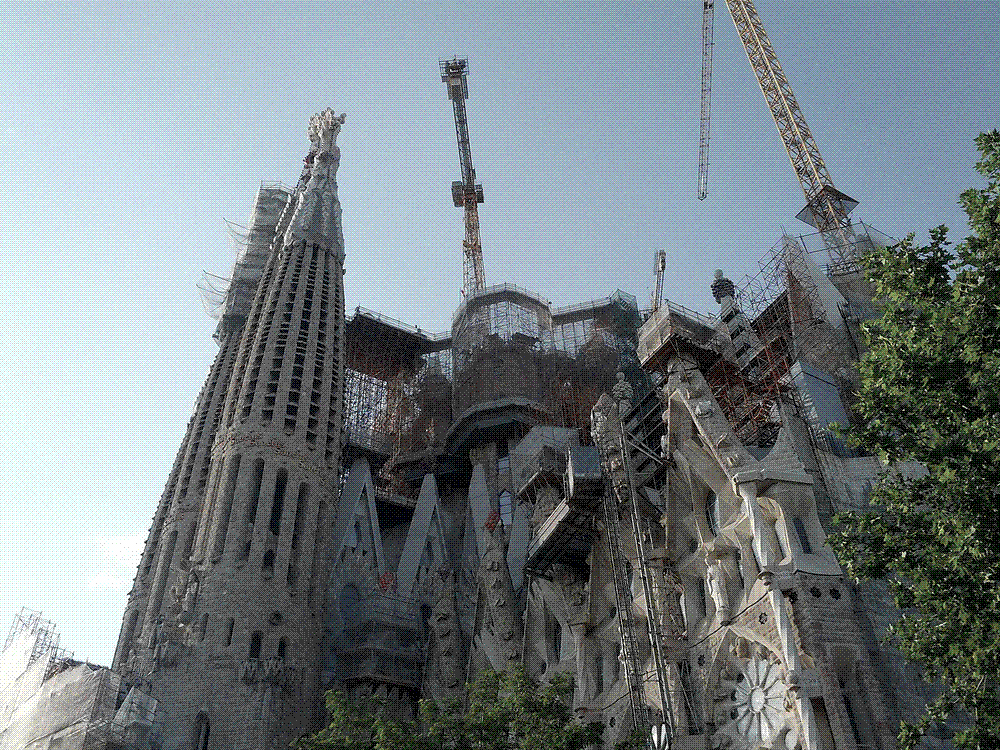
1911 Encyclopædia Britannica, vol. 6, "Cologne" (Wikisource) → The Sagrada Família: A Client in No Hurry The cornerstone was laid in Barcelona in 1882, and Antoni Gaudí, taking over the project a year later, reimagined the church on a scale he knew would outlive him, leaving plans and models for generations of successors. Nearly a century and a half on, stonemasons and cranes still crowd its towers, and the basilica has absorbed the working lives of architects, sculptors, and builders who never saw the whole. Gaudí famously reassured the impatient that his client was not in a hurry.
Basílica de la Sagrada Família, "History of the Temple" → Psalm 90: A Thousand Years as Yesterday For a thousand years in thy sight are but as yesterday when it is past, and as a watch in the night.
The Bible, King James Version, Psalm 90:4 (Wikisource) → Had We But World Enough, and Time Had we but World enough, and Time,
This coyness Lady were no crime.
We would sit down, and think which way
To walk, and pass our long Loves Day.
Thou by the Indian Ganges side
Should'st Rubies find; I by the Tide
Of Humber would complain. I would
Love you ten years before the Flood:
And you should if you please refuse
Till the Conversion of the Jews.
My vegetable Love should grow
Vaster then Empires, and more slow.
Andrew Marvell, "To his Coy Mistress," Miscellaneous Poems, 1681 (Wikisource) → Erik Satie, Vexations: One Page, 840 Times A single page of music whose manuscript instructs that the motif be played 840 times in succession, the performer having prepared beforehand in deepest silence and serious immobility. Composed around 1893 and unpublished until 1949, it waited seventy years for its first complete performance, when John Cage organized a relay of pianists in 1963 that kept the page circling for more than eighteen hours. Cage's fascination with Satie's radical slowness fed directly into the aesthetics behind the Halberstadt organ project.
Erik Satie, Vexations (1893), IMSLP / Petrucci Music Library → The Prague Orloj: Six Centuries of Clockwork Installed on Prague's Old Town Hall in 1410 by the clockmaker Mikuláš of Kadaň and the astronomer Jan Šindel, the Orloj is the oldest astronomical clock still running. Its painted dial is a working model of the medieval cosmos, with sun, moon, and zodiac wheeling over the city at their own unhurried rates. Through six centuries of wars, repairs, and near-destruction in 1945, successive generations of clockmasters have kept the same performance going.
Prague astronomical clock, Old Town Hall, Prague (photograph by Andrew Shiva, Wikimedia Commons) →