AI-generated
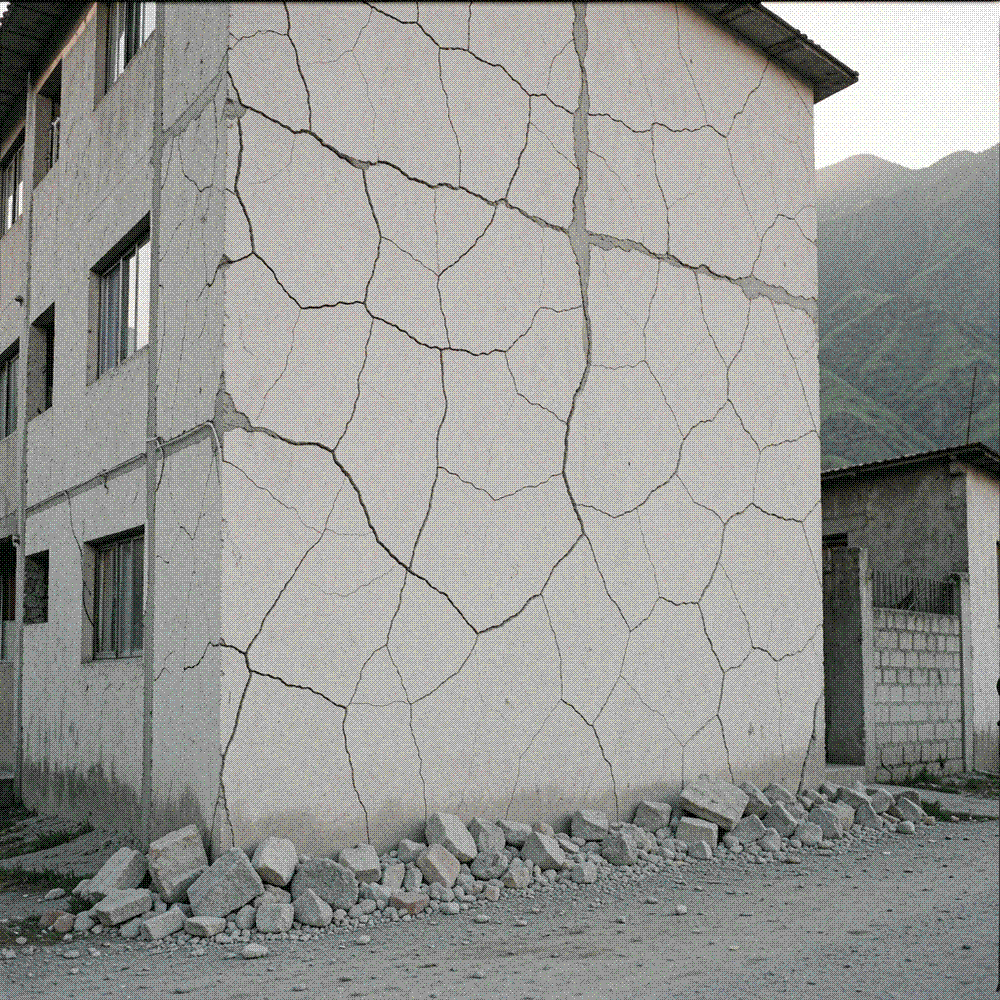
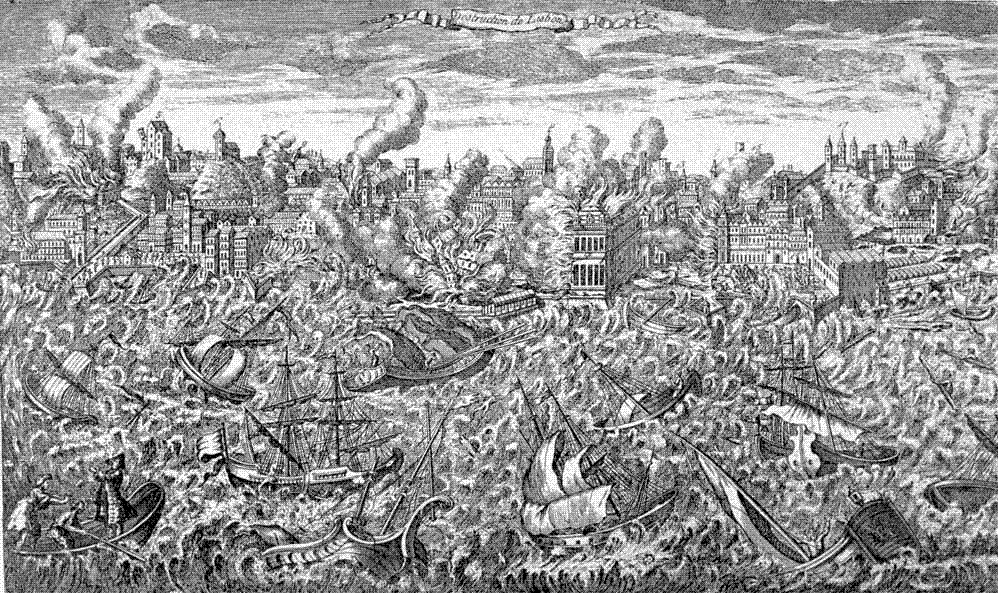
Magnitude-7.4 earthquake kills more than 250 in western Colombia, days into a new presidency Colombia's week began with a transfer of power and ended under rubble. Abelardo de la Espriella was inaugurated in Cali on 8 August, vowing an 'all-out war' on narco-terrorism as Washington pledged roughly $1 billion in security assistance; a car bomb struck the country's southwest the following day. Then, on 11 August, a magnitude-7.4 earthquake — the country's strongest in years — tore through western Colombia. The toll climbed daily as rescuers dug: 111 dead, then 132, then 180, then more than 250, with hundreds injured and thousands still missing as the week closed. Buildings collapsed on camera; CONMEBOL postponed continental fixtures; families kept vigil at the rubble of apartment blocks while search teams worked through the nights. A presidency elected on promises of order against violence now faces its first test from the ground itself, with emergency systems strained and the window for finding survivors closing. Analogies Bury the Dead and Feed the Living: Pombal's Lisbon, 1755 His complete ascendancy over the mind of King Joseph dates from the time of the great Lisbon earthquake (Nov. 1, 1755). Though the famous words “Bury the dead and feed the living” were probably not spoken by him, they summarize his action at this time of calamity.
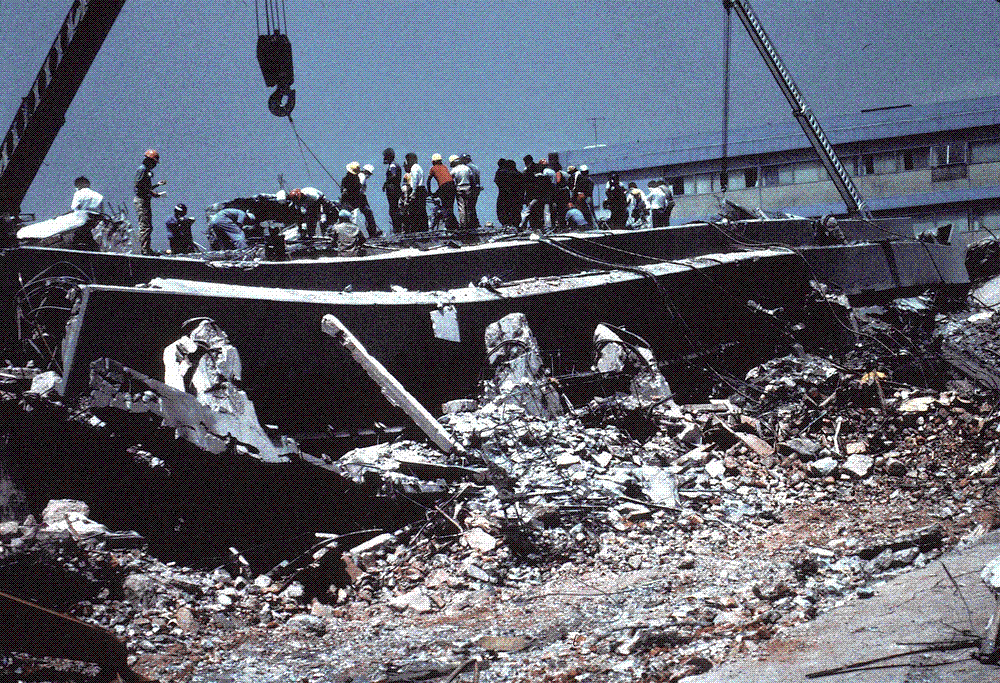
1911 Encyclopædia Britannica, "Pombal, Sebastião Jose de Carvalho e Mello, Marquess of" (Wikisource) → Mexico City, 1985: The Earthquake That Cracked a Ruling Party When the magnitude-8.0 quake struck on September 19, 1985, President Miguel de la Madrid's government froze: he initially refused international aid and held back the army while thousands lay under the rubble. Ordinary residents answered instead, forming human chains and volunteer rescue squads like the Topos de Tlatelolco, and the survivors organized into the Coordinadora Única de Damnificados to force the state to negotiate over reconstruction. Historians trace the unraveling of the PRI's seven-decade hegemony — through the 1988 electoral revolt to the capital's first elected opposition mayor in 1997 — to the week civil society outperformed its government.
Archivo General de la Nación (Mexico), "1985 Earthquake: A Tragedy That Changed History," via Google Arts & Culture → Candide in the Ruins of Lisbon Scarcely had they reached the city, lamenting the death of their benefactor, when they felt the earth tremble under their feet. The sea swelled and foamed in the harbour, and beat to pieces the vessels riding at anchor. Whirlwinds of fire and ashes covered the streets and public places; houses fell, roofs were flung upon the pavements, and the pavements were scattered. Thirty thousand inhabitants of all ages and sexes were crushed under the ruins.
Voltaire, Candide (1759), ch. V, Project Gutenberg (Boni & Liveright edition, 1918) → Kleist's Earthquake in Chile: The Brief Republic of the Ruins Jeronimo, about to hang himself in prison, and Josephe, marching to execution for bearing his child, are both freed when the 1647 Santiago earthquake shatters jail, palace and gallows alike. In the valley outside the ruined city Kleist grants the survivors one utopian night in which aristocrats and laborers share fires, fruit and rescue work as equals, the social order suspended along with its buildings. It lasts only until the first thanksgiving mass, when a priest blames the lovers for God's wrath and the restored order clubs them to death — in Kleist's telling, the reaction, not the rubble, is the true catastrophe.
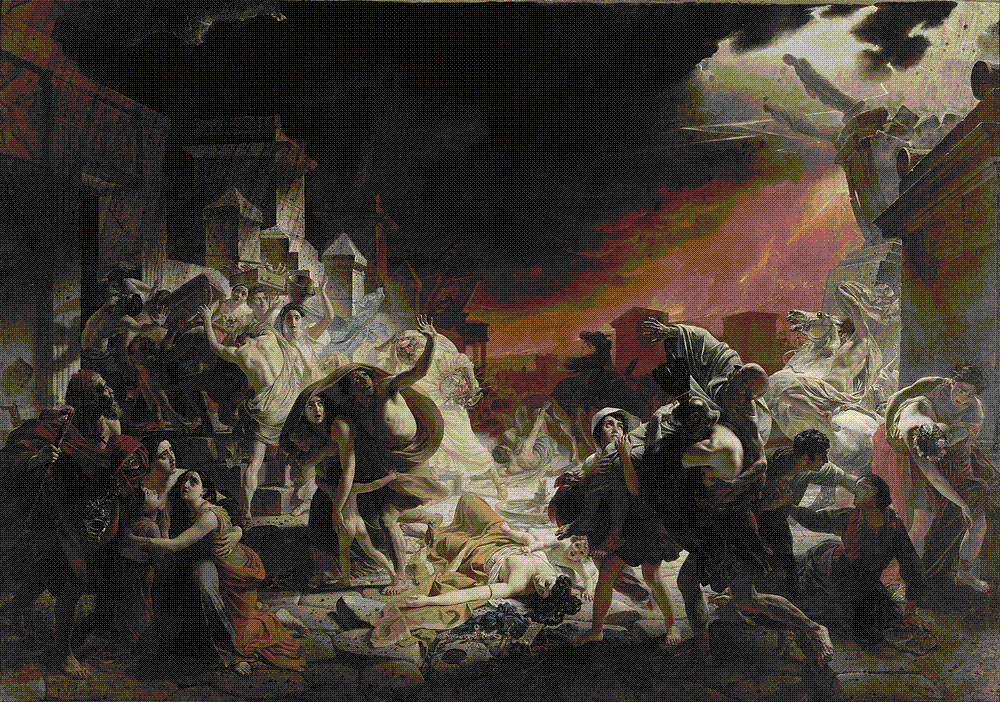
Heinrich von Kleist, "Das Erdbeben in Chili" (1807), Projekt Gutenberg-DE → The Last Day of Pompeii: Catastrophe as Omen for an Old Order Bryullov freezes Pompeii's Street of Tombs at the instant an old world ends: lightning splits the ash cloud, marble statues pitch off a roofline, and elegantly composed citizens — a priest clutching his implements, sons carrying their father — flee a city whose institutions have failed all at once. The vast canvas made Bryullov the first Russian painter with a European reputation, and Russian writers read it as prophecy, an empire contemplating how a civilization discovers in a single night that its gods and magistrates cannot hold. Its true subject is less the volcano than the panic of a polity with no plan for the day after.
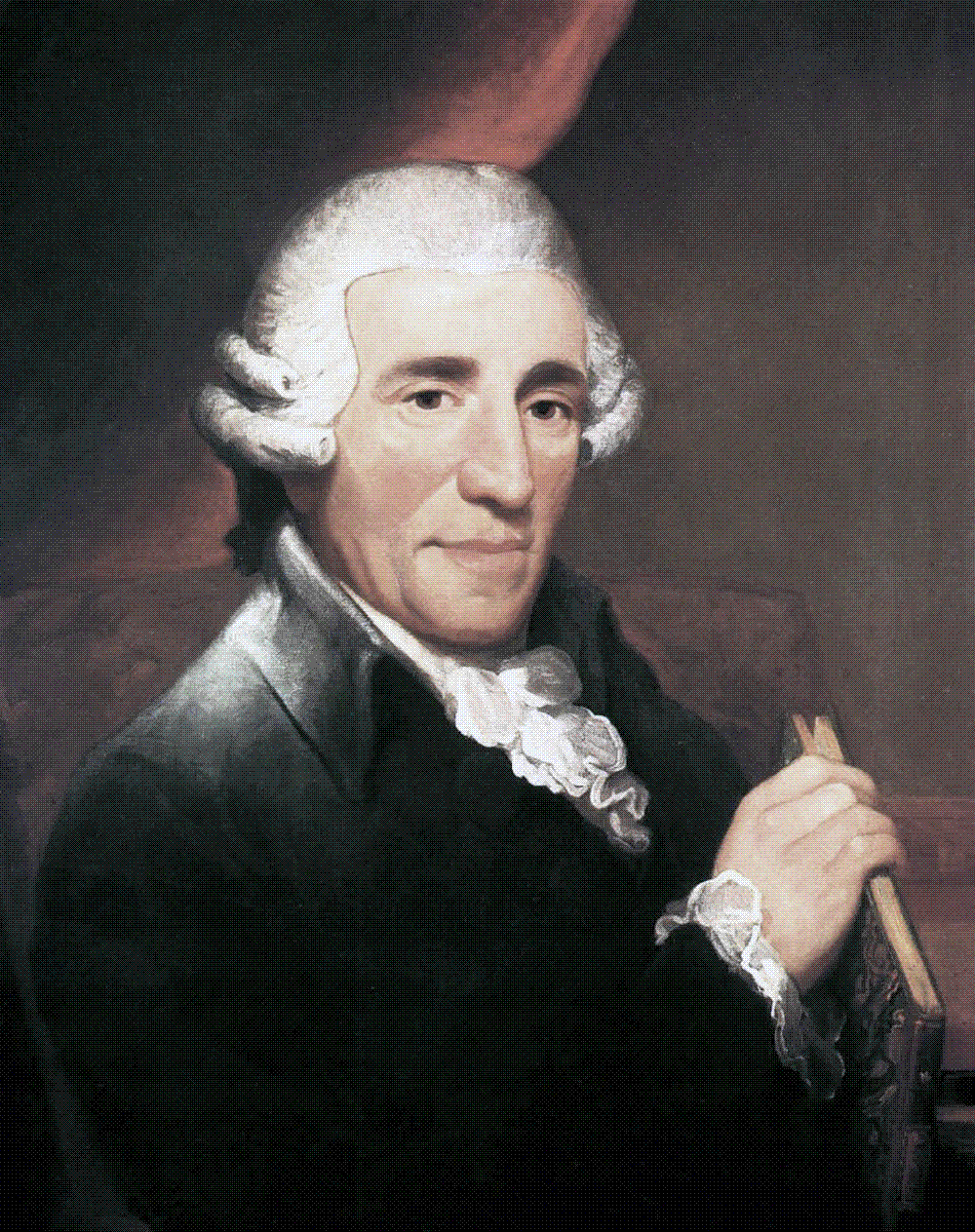
Karl Bryullov, oil on canvas, 1830–1833, State Russian Museum (Virtual Russian Museum object page) → Il terremoto: Haydn Ends the Liturgy with an Earthquake Written for Good Friday in the Santa Cueva grotto at Cádiz, where the bishop pronounced each of Christ's last words in a darkened chapel, the work is seven consecutive slow movements — devotion as sustained, deliberate order. Then, at the moment of death, Haydn appends a ninth movement, Il terremoto, a Presto marked con tutta la forza: the only fast, loud music in the piece, tearing the ritual apart in under two minutes as the earth splits. It is the Enlightenment's neatest musical image of how a carefully scripted ceremony — or a state — meets a force that ignores the script.
Joseph Haydn, Die Worte des Erlösers am Kreuze (The Seven Last Words), Hob.XX:1, IMSLP →