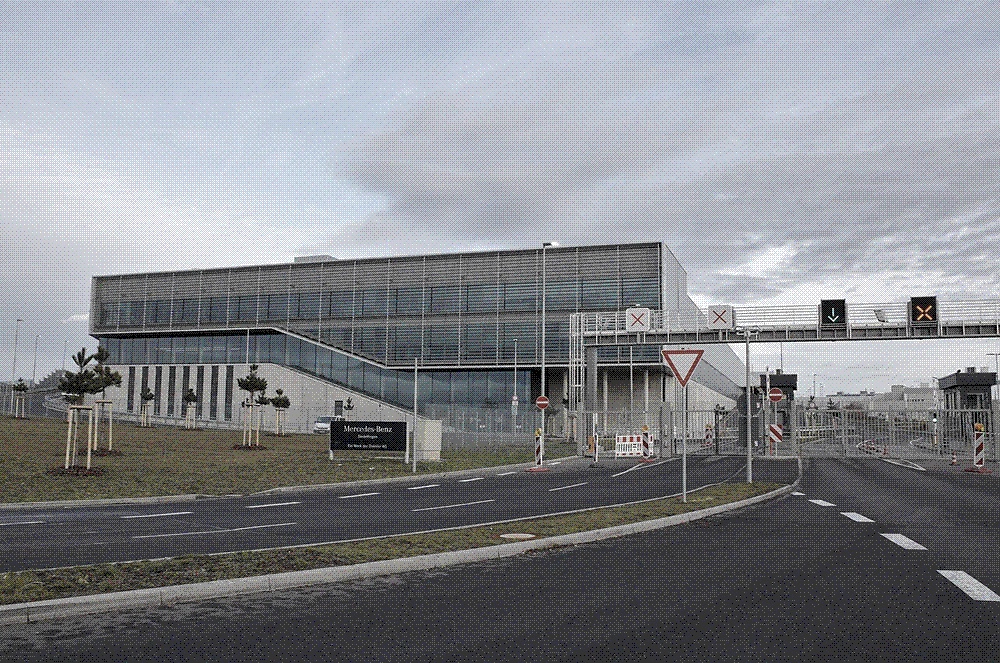
Exterior of Mercedes-Benz's Factory 56 production plant in Sindelfingen, Germany

Alexander Migl, via Wikimedia Commons (CC BY-SA 4.0)

EconomyBBC · ReutersSep 22, 2026

Mercedes says its German plants are no longer competitive as China's rise squeezes European carmakers

Mercedes-Benz said this week that production at some of its German plants has become uncompetitive, with two facilities under explicit threat of closure, as a European Central Bank study found China's industrial rise is hitting German manufacturers harder than almost any other sector. Volkswagen's China chief added to the gloom, forecasting the Chinese passenger-car market itself will shrink by 20% in 2026 as domestic Chinese brands consolidate their dominance of the world's largest auto market, a shift that has eroded the profits European carmakers once relied on from Chinese sales to subsidize operations at home. The crisis has pushed European auto executives to look, with some irony, to the continent's rearmament drive as a possible industrial lifeline — converting idled automotive capacity and engineering talent toward defense production — a sign of how deeply China's manufacturing rise is now reshaping strategic thinking in an industry that long defined German economic identity.
Analogies

Made in Germany

My book sees the light at a somewhat inauspicious moment. We are rejoicing over one of those spurts of good trade which gladden the hearts of manufacturers and bring perplexity to the brows of economists; and I have to play the thankless part of Skeleton at the Commercial Feast.
Ernest Edwin Williams, "Made in Germany" (1896) →
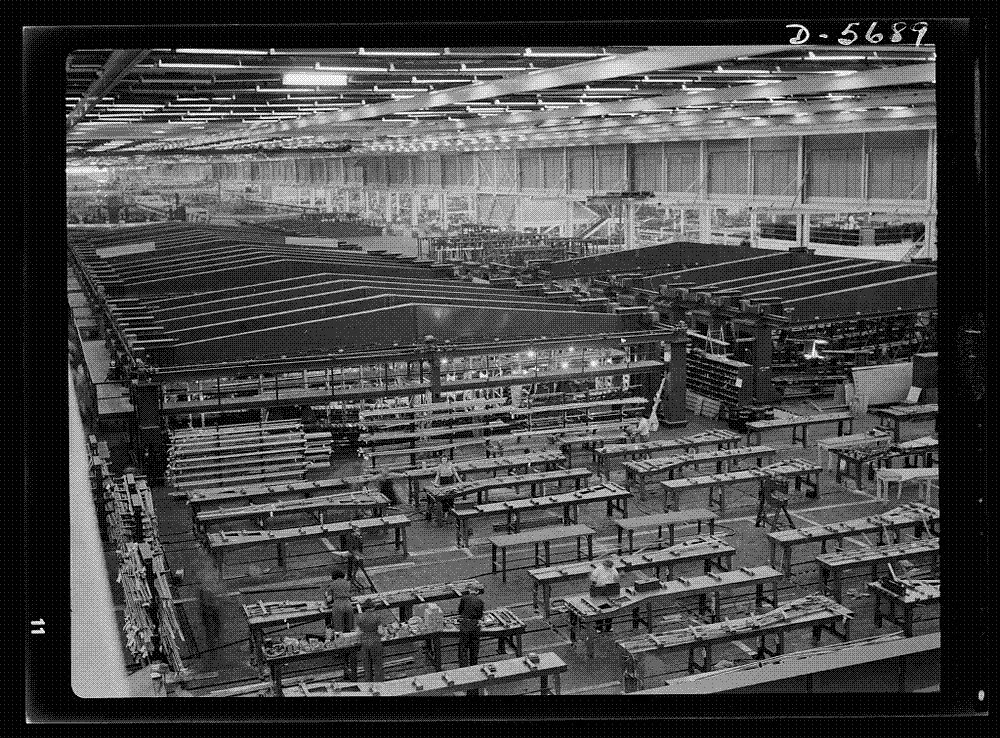
Workers at the Ford Willow Run bomber plant assembling B-24 Liberator wings, 1942

The Arsenal of Democracy

We must be the great arsenal of democracy. For us this is an emergency as serious as war itself.
Franklin D. Roosevelt, Fireside Chat 16, Dec. 29, 1940 →
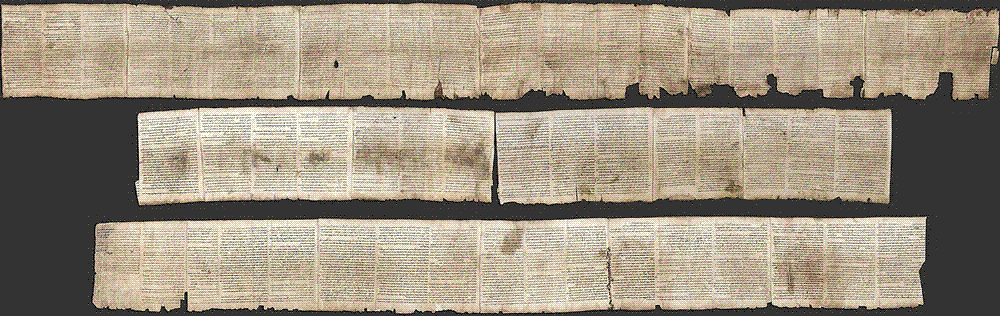
The Great Isaiah Scroll, an ancient Hebrew manuscript of the Book of Isaiah found at Qumran

Swords into Plowshares

And he shall judge among the nations, and shall rebuke many people: and they shall beat their swords into plowshares, and their spears into pruninghooks: nation shall not lift up sword against nation, neither shall they learn war any more.
Isaiah 2:4, King James Bible →
Portrait photograph of Thomas Mann, 1937

Buddenbrooks

Ratenkamp and Company were just getting to the top of their form.... Sad, how the firm broke down in the last twenty years!
Thomas Mann, Buddenbrooks (1901; trans. H.T. Lowe-Porter, 1924) →
"We Can Do It!" 1943 wartime poster by J. Howard Miller

We Can Do It!

A Westinghouse factory worker flexes her arm beneath the words "We Can Do It!" — the era's emblem of civilian industry remade overnight for war production.
J. Howard Miller, wartime poster, 1943 →
"Let Us Beat Swords into Plowshares" bronze sculpture by Evgeny Vuchetich at UN Headquarters

Let Us Beat Swords into Plowshares

A muscular figure hammers a sword into a plowshare — the Soviet Union's Cold War gift to the UN, its inscription drawn directly from Isaiah, now standing as an ironic counterpoint to industry moving the other way.
Evgeny Vuchetich, bronze sculpture, 1959, gift of the USSR to the United Nations →