BBC
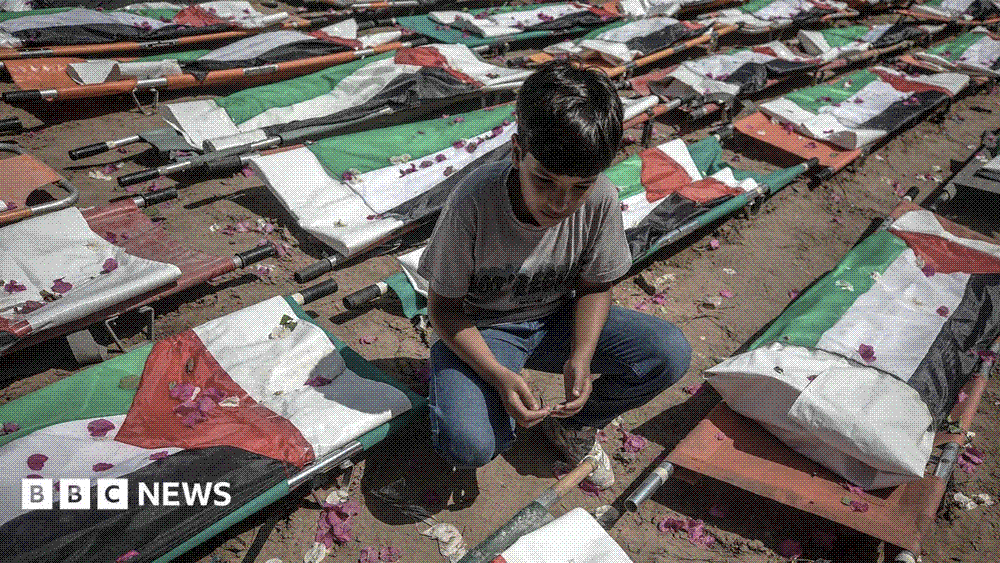
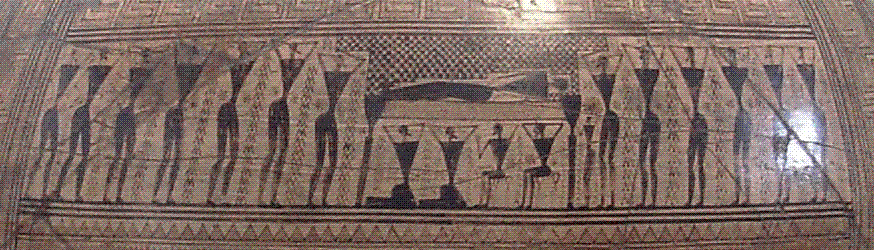
Gaza City holds a mass funeral for 112 people from two families whose remains were pulled from the rubble more than two years after an Israeli strike Large crowds turned out in Gaza City for the burial of 112 people, most of them women and children, killed in an Israeli strike on a residential block late in 2023, early in the war. The remains, belonging to members of two extended families, were recovered over a two-week operation. Footage showed them laid out in rows, each covered with a Palestinian flag and some with a photograph of the dead, before relatives carried them away. Analogies Athens holds its first state funeral of the Peloponnesian War in the winter of 431 BC, carrying the gathered bones of the dead through the city with an empty bier for those never found The same winter the Athenians, according to their ancient custom, solemnized a public funeral of the first slain in this war in this manner. Having set up a tent, they put into it the bones of the dead three days before the funeral; and everyone bringeth whatsoever he thinks good to his own. When the day comes of carrying them to their burial, certain cypress coffins are carried along in carts, for every tribe one, in which are the bones of the men of every tribe by themselves. There is likewise borne an empty hearse covered over for such as appear not nor were found amongst the rest when they were taken up. The funeral is accompanied by any that will, whether citizen or stranger; and the women of their kindred are also by at the burial lamenting and mourning.
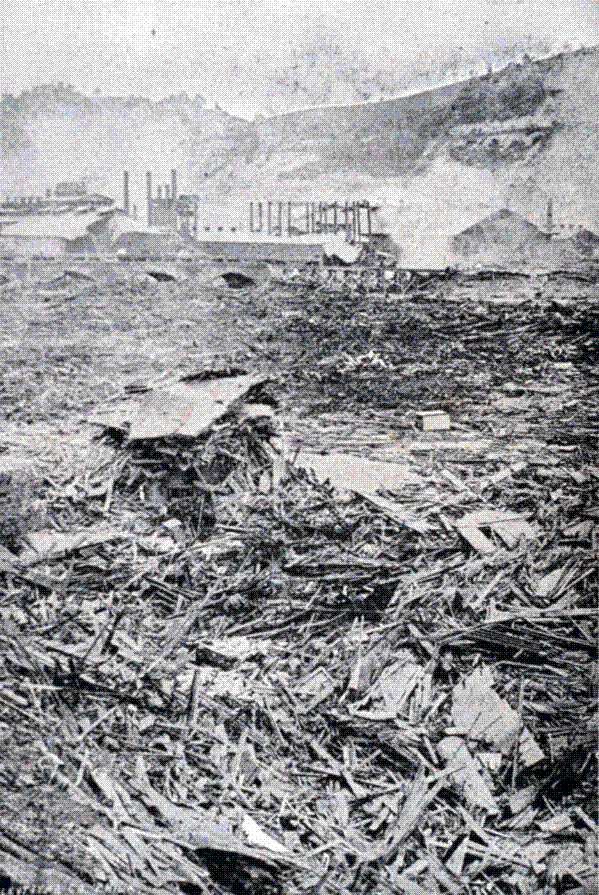
Thucydides, History of the Peloponnesian War, Book 2, chapter 34, translated by Thomas Hobbes, in The English Works of Thomas Hobbes of Malmesbury (London: Bohn, 1843); Perseus Digital Library, Tufts University. → Johnstown, Pennsylvania buries its dead by the thousand in June 1889 after a flood levelled the city, with bodies still being picked out of the wreckage every day All day long the corpses were being hurried below ground. The unidentified bodies were grouped on a high hill west of the doomed city, where one epitaph must do for all, and that the word "unknown." Almost every stroke of the pick in some portions of the city resulted in the discovery of another victim, and, although the funerals of the morning relieved the morgues of their crush, before night they were as full of the dead as ever.
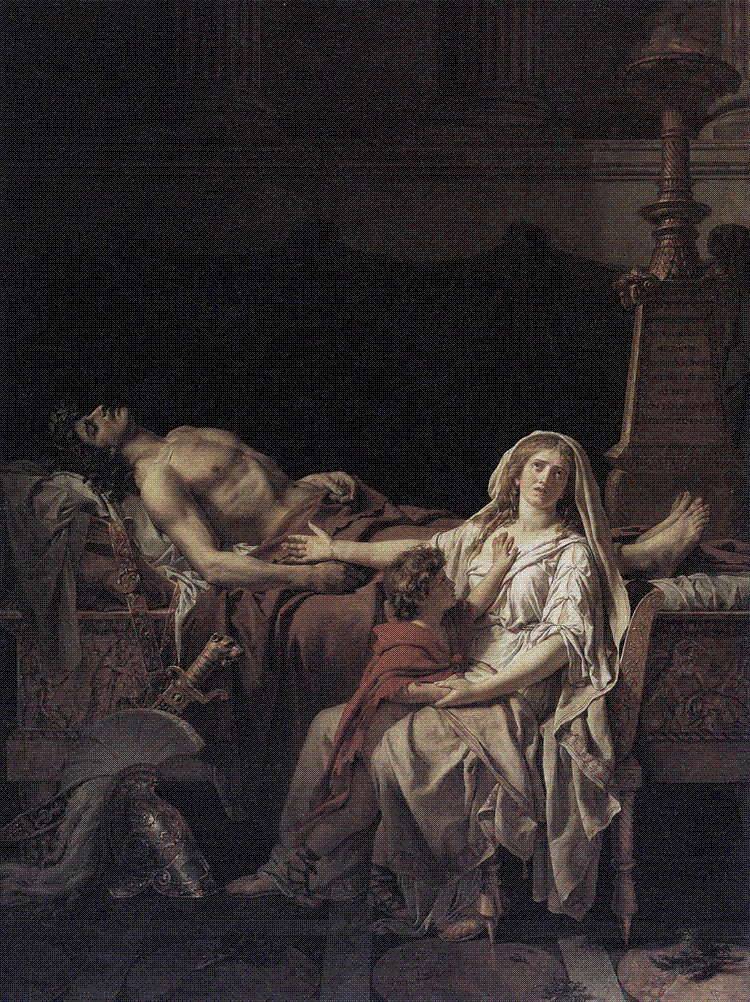
Willis Fletcher Johnson, History of the Johnstown Flood (Philadelphia: Edgewood Publishing Co., 1889), Chapter XXVI, "Breaking up the Ruins and Burying the Dead"; Project Gutenberg ebook no. 41271. → The whole city of Troy goes out to meet Hector's body and mourns him for days before he can be buried, in Book 24 of Homer's Iliad So spake she, nor was any man left there within the city, neither any woman, for upon all had come grief that might not be borne; and hard by the gates they met Priam, as he bare home the dead. First Hector's dear wife and queenly mother flung themselves upon the light-running waggon, and clasping his head the while, wailed and tore their hair; and the folk thronged about and wept. And now the whole day long until set of sun had they made lament for Hector with shedding of tears there without the gates, had not the old man spoken amid the folk from out the car: "Make me way for the mules to pass through; thereafter shall ye take your fill of wailing, when I have brought him to the house."
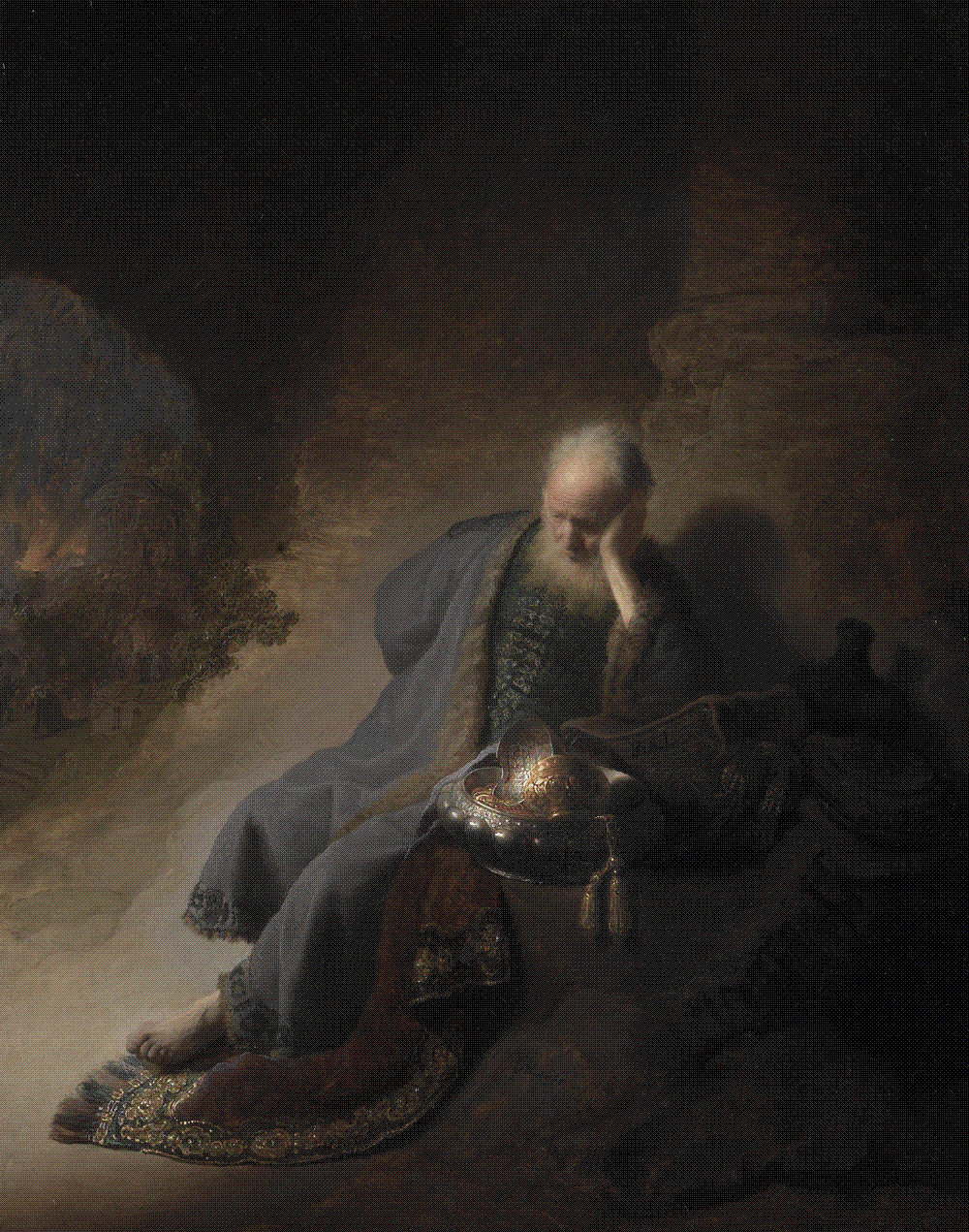
Homer, Iliad, Book 24, lines 707-718, translated by A. T. Murray, Loeb Classical Library, 2 vols. (Cambridge, MA: Harvard University Press; London: William Heinemann, 1924); Perseus Digital Library, Tufts University. → The Book of Lamentations mourns a destroyed Jerusalem whose children lie unburied in the streets, written after the sack of the city in 586 BC Behold, O LORD, and consider to whom thou hast done this. Shall the women eat their fruit, and children of a span long? shall the priest and the prophet be slain in the sanctuary of the LORD? The young and the old lie on the ground in the streets: my virgins and my young men are fallen by the sword; thou hast slain them in the day of thine anger; thou hast killed, and not pitied. Thou hast called as in a solemn day my terrors round about, so that in the day of the LORD's anger none escaped nor remained: those that I have swaddled and brought up hath mine enemy consumed.
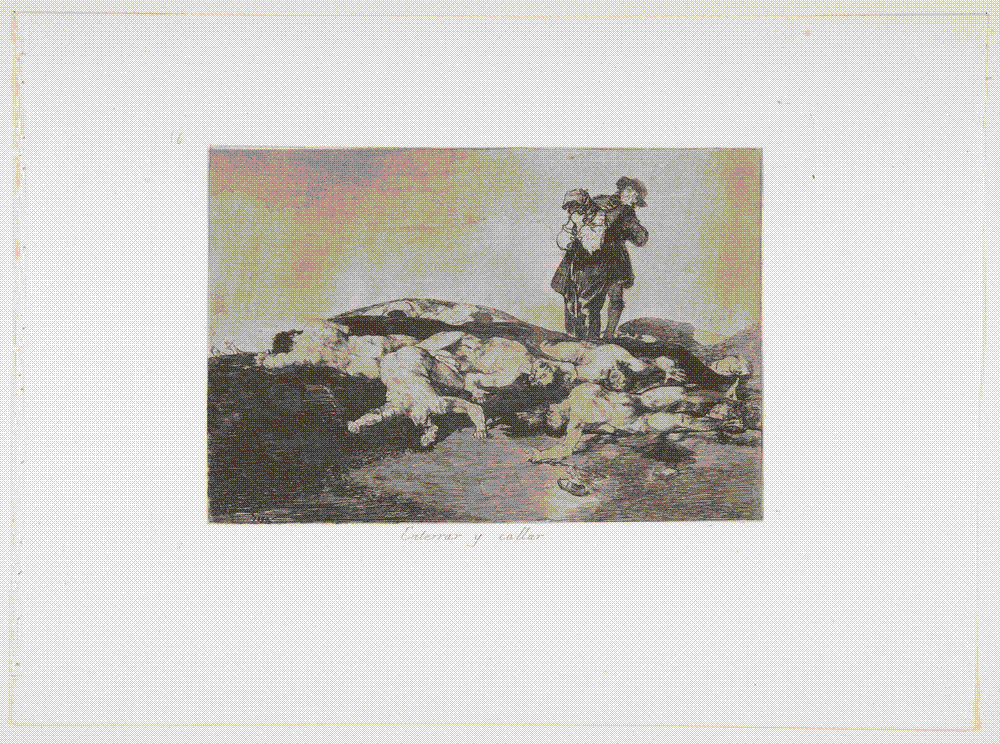
The Lamentations of Jeremiah 2:20-22, King James Version (1611); Wikisource, Bible (King James)/Lamentations. → Goya's etching 'Bury them and keep quiet' (Enterrar y callar), plate 18 of The Disasters of War, drawn from the Peninsular War around 1810 A man and a woman stand at the edge of a heap of corpses strewn across bare ground, the woman pressing a cloth to her face against the stench, the man turning his head away. The bodies at their feet are stripped and tangled, arms flung out, faces upturned. Goya's caption is an instruction and an accusation at once: bury them, and say nothing. The plate belongs to a series he made privately during the Peninsular War and which was not published until 1863, thirty-five years after his death.
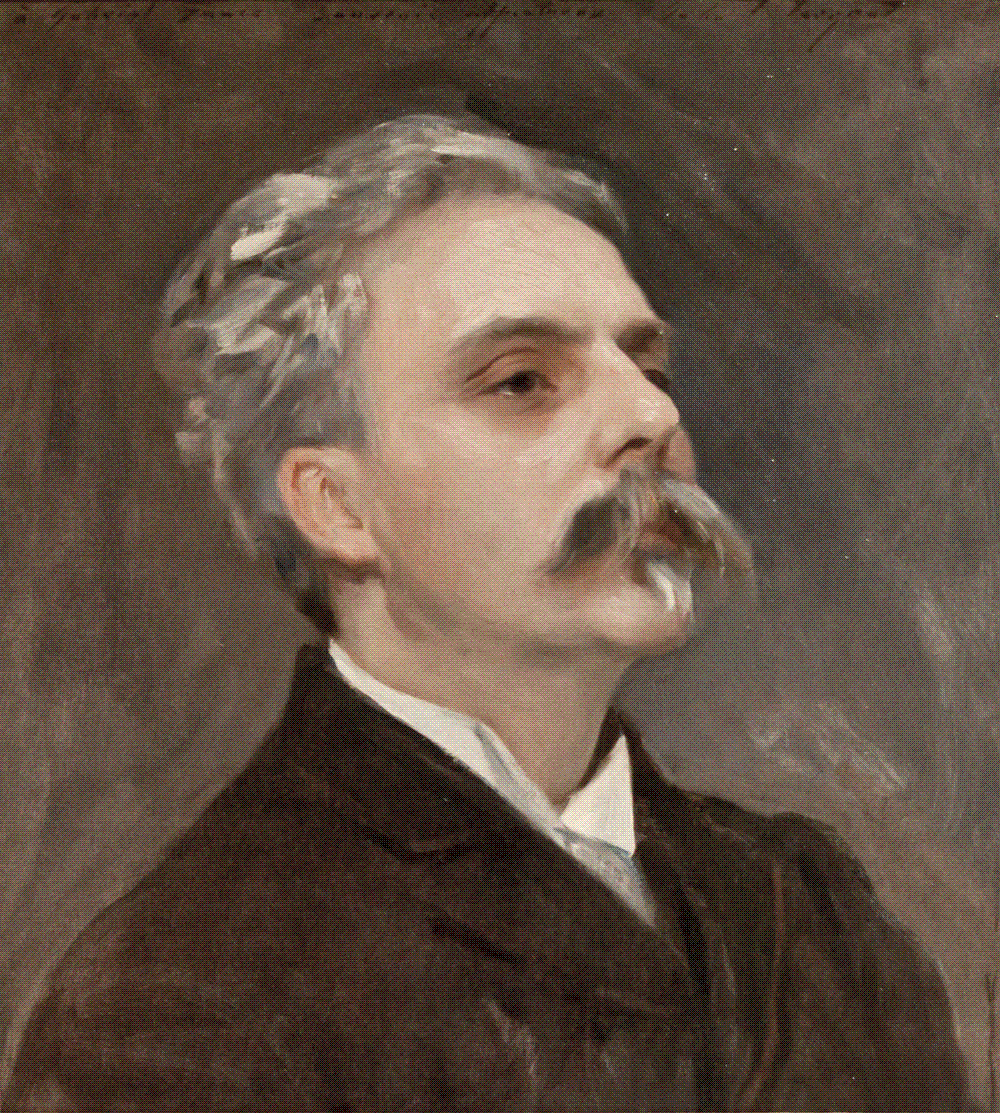
Francisco de Goya y Lucientes, Plate 18 from "The Disasters of War" (Los Desastres de la Guerra): 'Bury them and keep quiet' (Enterrar y callar), 1810, published 1863; etching, burnished lavis, drypoint and burin; The Metropolitan Museum of Art, New York, accession no. 22.60.25(18). → Gabriel Faure's Requiem, Op. 48, composed between 1877 and 1893, whose closing 'In Paradisum' is music written for the moment the body is carried out of the church to the grave Faure wrote his Requiem in the years around the deaths of his father and mother, and said he wrote it for no reason at all, simply for the pleasure of it. He cut the Day of Wrath almost entirely and gave the centre of the work to the Pie Jesu, sung by a single treble voice, so that the mass turns away from judgement and toward rest. The last movement, In Paradisum, is not part of the mass at all but of the burial rite: it is sung as the coffin leaves the church, over a shimmer of harp and organ, while the choir asks that angels lead the dead into the city.
Gabriel Faure, Requiem, Op. 48 (1877, 1887-93), seven movements: Introit et Kyrie, Offertoire, Sanctus, Pie Jesu, Agnus Dei, Libera me, In Paradisum; scores and parts at the International Music Score Library Project (IMSLP/Petrucci Music Library). →