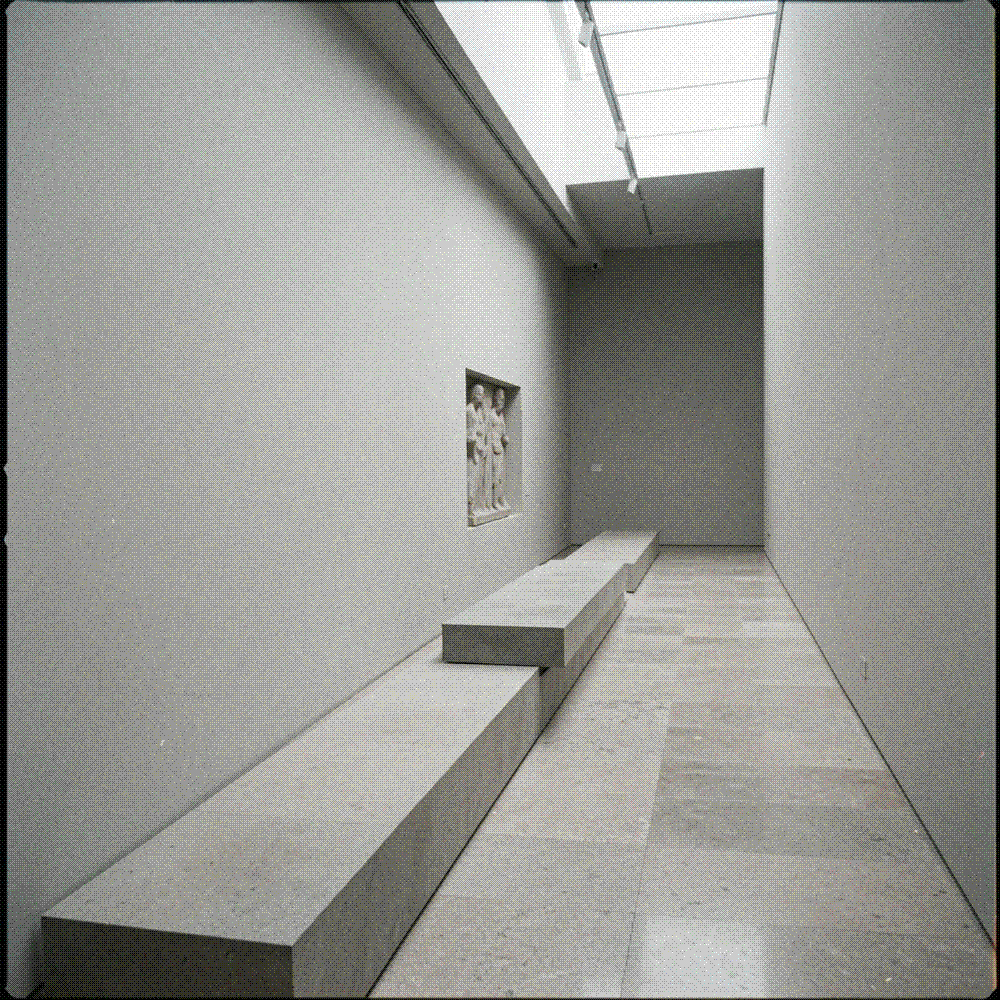
An empty museum gallery with a long bare plinth and a shallow recess in the wall where a relief is missing

AI-generated

ArtBBCSep 24, 2026

Greece's prime minister presses London to return the Parthenon Marbles permanently

Kyriakos Mitsotakis used the week to push the Parthenon sculptures back up the diplomatic agenda, urging the United Kingdom to return them permanently rather than under any of the arrangements that have been floated in recent years — long-term loan, rotating exhibition, cultural partnership, each of which leaves the question of ownership deliberately open. The Greek position has not moved in decades: the sculptures were removed from a building that still stands, by an ambassador acting under a permission whose terms are disputed, and the Acropolis Museum was built with an empty gallery waiting for them. The British Museum is constrained by a 1963 act of parliament from deaccessioning, which is the legal fact behind every 'loan' formula. What has changed is the surrounding weather: restitution has moved from the margins of museum practice to its centre, and the argument about Bloomsbury is now being conducted in the vocabulary of a wider settlement.
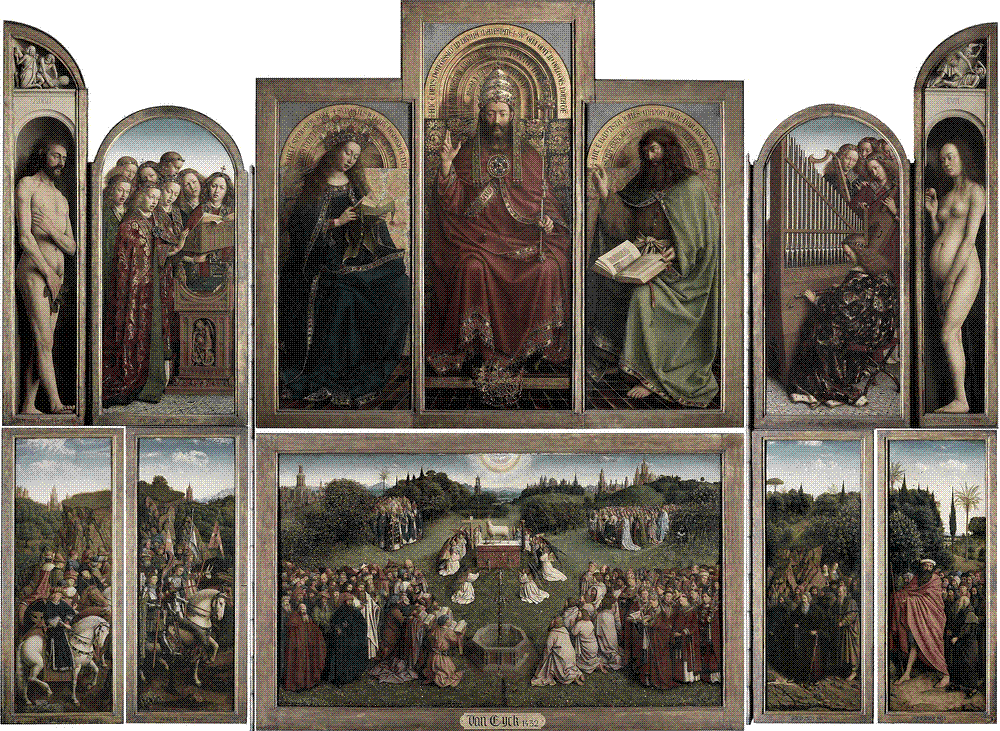
Analogies

The Ghent Altarpiece by the Van Eyck brothers, its panels open to show the Adoration of the Mystic Lamb

Versailles, 1919: a peace treaty orders the return of specific works of art, named one by one

The leaves of the triptych of the Mystic Lamb painted by the Van Eyck brothers, formerly in the Church of St. Bavon at Ghent, now in the Berlin Museum
Treaty of Peace between the Allied and Associated Powers and Germany, signed at Versailles, 28 June 1919, part VIII, Article 247. →
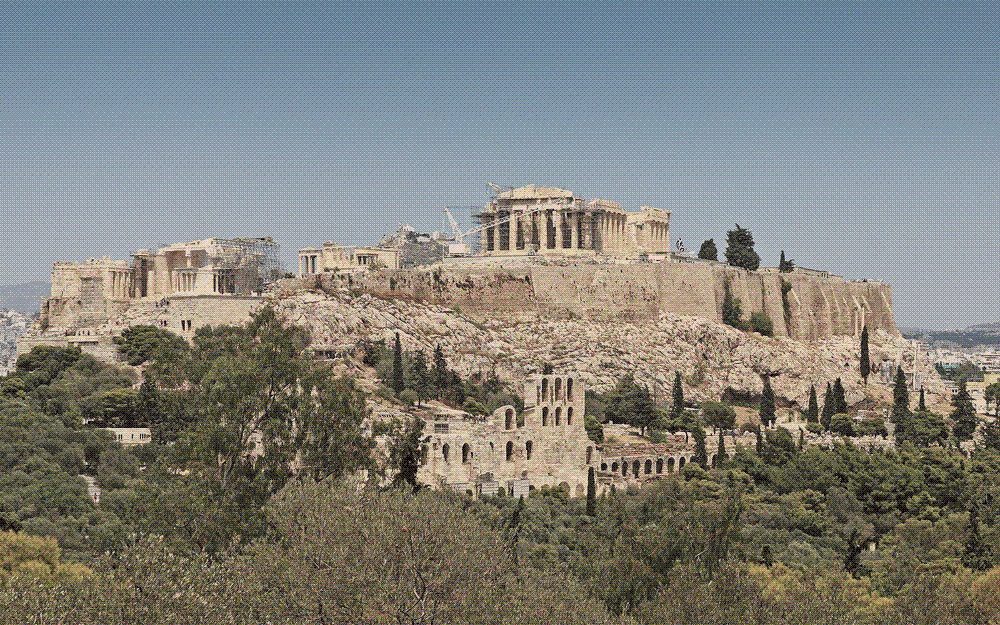
The Parthenon on the Acropolis in Athens, its columns standing against the sky

1911: the Britannica records the removal as a settled fact of the catalogue

Elgin marbles were bought by the British government in 1816, and are now in the British Museum. Certain other sculptures from the Parthenon are in the Louvre, Copenhagen or elsewhere
'Parthenon', Encyclopædia Britannica, 11th edition, vol. 20 (Cambridge University Press, 1911). →
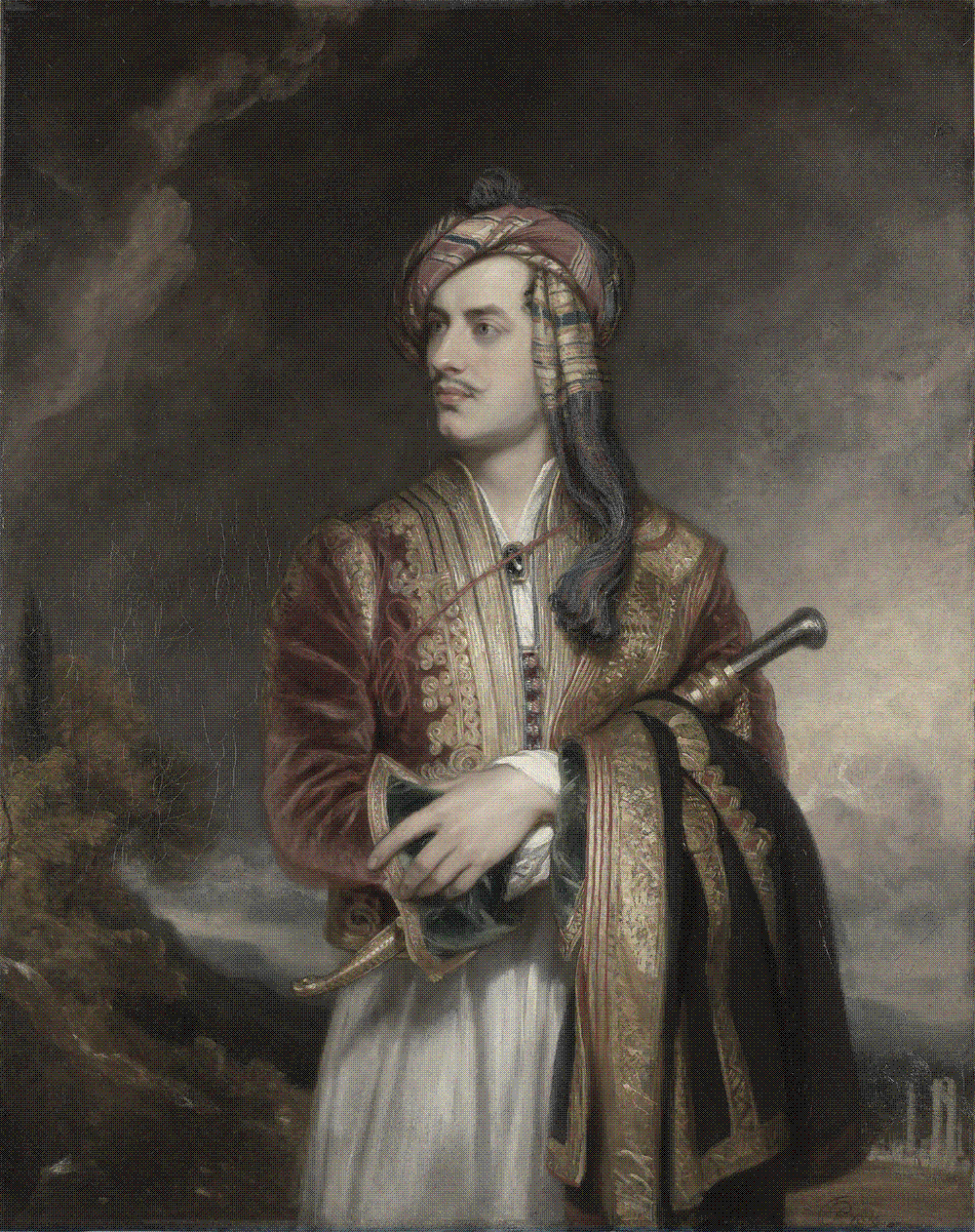
Thomas Phillips's portrait of Lord Byron in Albanian dress

Byron, who watched the removals, writes the attack that has never stopped being quoted in Athens

Dull is the eye that will not weep to see Thy walls defaced, thy mouldering shrines removed By British hands
Lord Byron, Childe Harold's Pilgrimage, canto II, stanza XV (London: John Murray, 1812); Project Gutenberg ebook 5131. →
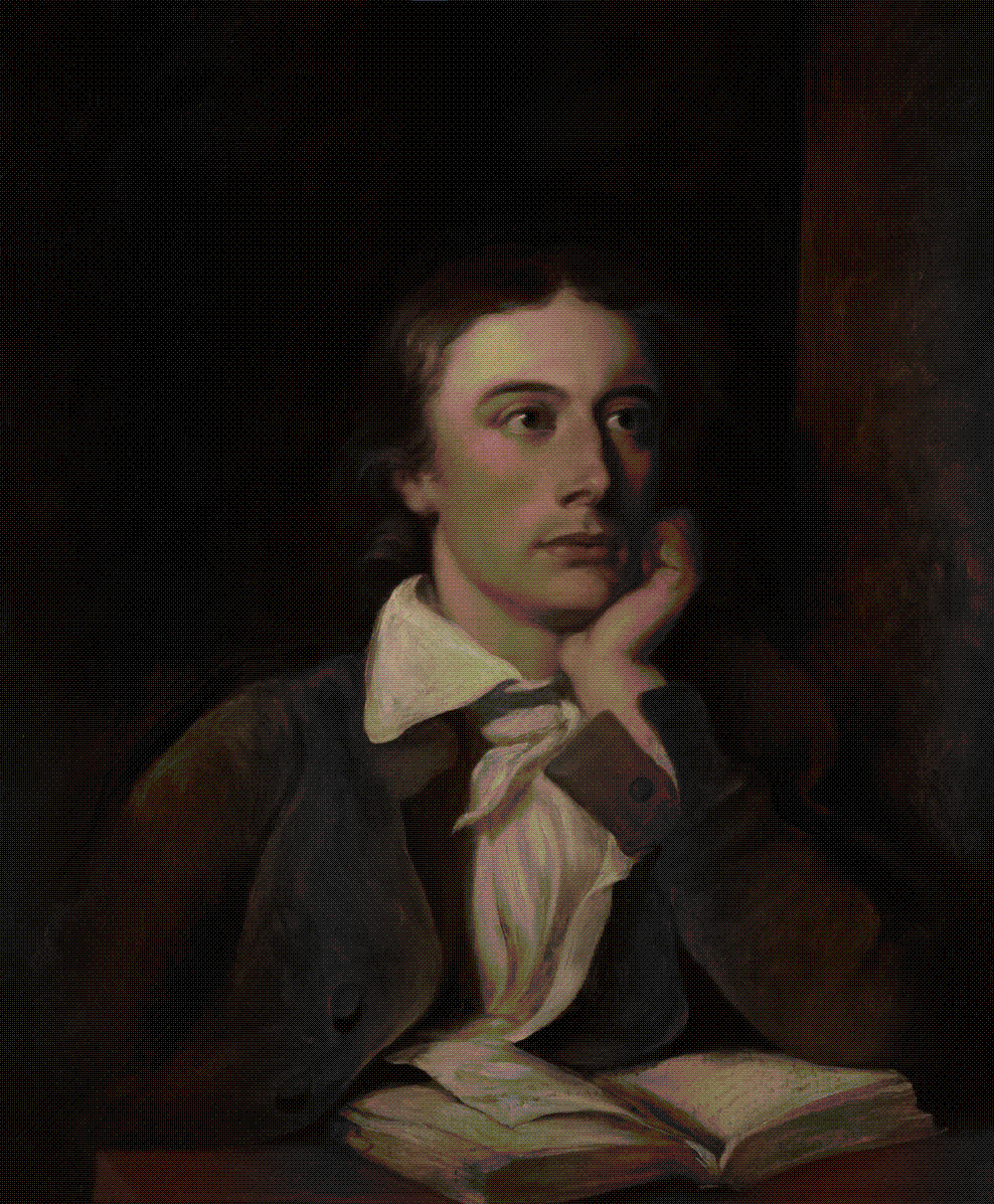
A portrait of the poet John Keats seated with his chin on his hand

Keats sees the same sculptures in London in 1817 and writes about being overwhelmed, not about ownership

My spirit is too weak—mortality Weighs heavily on me like unwilling sleep
John Keats, 'On Seeing the Elgin Marbles', first published in The Examiner and The Champion, March 1817. →
A section of the Parthenon frieze showing horsemen riding in procession, carved in low relief

The horsemen of the Parthenon frieze, carved about 442–438 BC for a building nobody was meant to look at closely

A procession of riders at every stage of movement — reining in, setting off, one horse's head crossing behind another's neck — carved in a band about a metre high that ran round the outside of the cella, forty feet up, in shadow, behind the colonnade. Almost nobody in ancient Athens could see it properly. The carving is nevertheless finished to the back of every fold, which is the detail that tends to end arguments about what the building was for.
Frieze of the Parthenon, west and north sections, Pentelic marble, c. 442–438 BC, attributed to the workshop of Pheidias; British Museum and Acropolis Museum, Athens. →
Archer's painting of the temporary Elgin Room: marble sculptures propped along the walls of a plain skylit gallery with visitors

Archibald Archer paints the Marbles in their temporary shed in 1819, four years after parliament bought them

A plain wooden room with a skylight, the sculptures propped on low benches and the floor, metopes leaning against the wall. Among the visitors Archer painted are Benjamin Robert Haydon, who campaigned for their purchase, and the museum's own trustees. It is a picture of the exact moment the sculptures stopped being architecture and became a collection: objects at eye level in a shed in Bloomsbury, waiting for a permanent room.
Archibald Archer, The Temporary Elgin Room at the British Museum in 1819, 1819, oil on canvas; British Museum, London. →