AI-generated
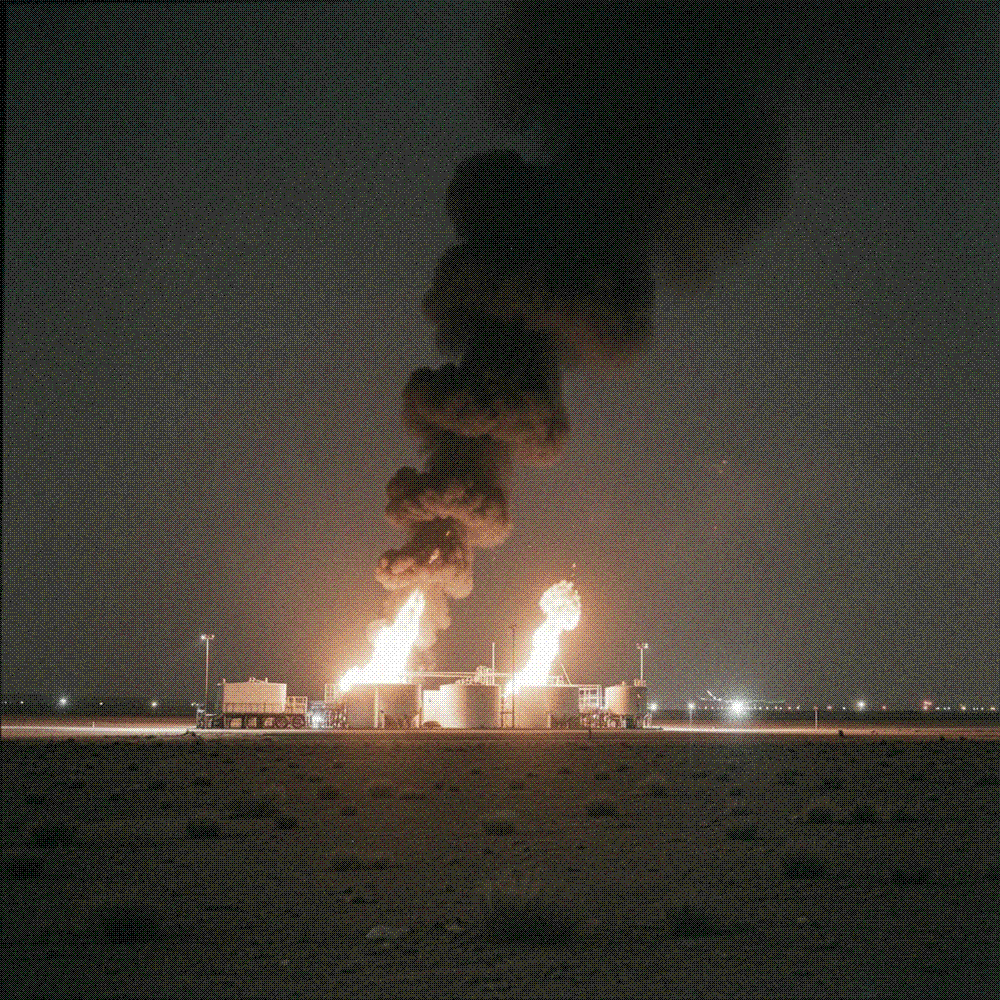
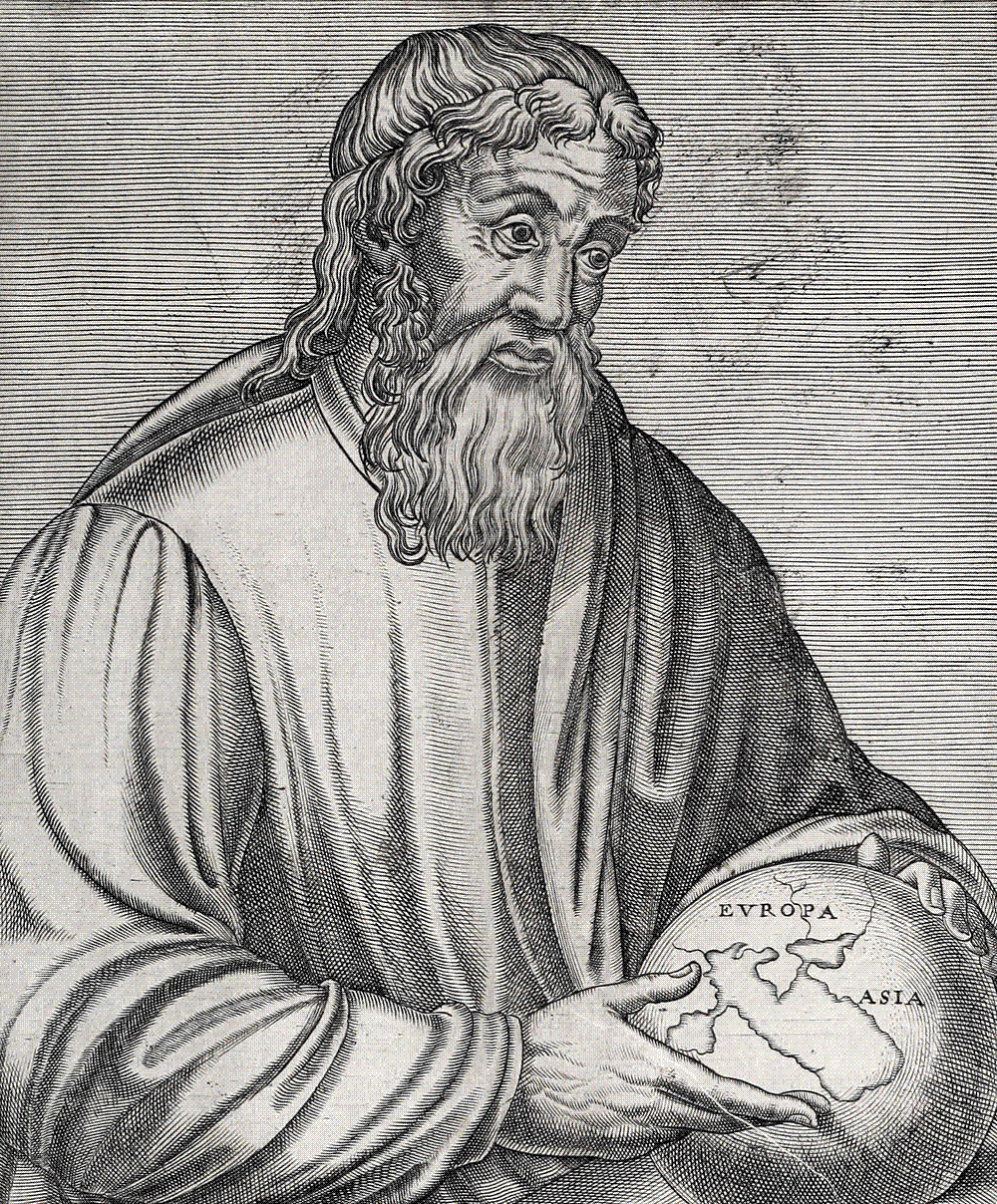
Houthi missiles and drones reach Riyadh as the war in Yemen spills across the Saudi border The week began with the Houthi–Saudi conflict already widening: strikes on Saudi pipeline pumping stations, a Saudi fighter jet shot down, and Yemenis fleeing by boat. On 19 September Saudi Arabia issued its first air-raid alerts for Riyadh since the escalation began; Aramco halted some October crude deliveries to European refiners after a pipeline attack, and Italy prepared naval protection for its shipping. Over the following days Saudi Arabia confirmed that the Houthis had tried to strike the capital with a ballistic missile, and flames and smoke were reported near Riyadh's airport after a fuel depot was hit. Saudi and Gulf stocks fell, and Iran and the United States traded threats. The Houthis warned Saudi Arabia against deeper involvement in Yemen's civil war while saying they would not target American vessels in the Red Sea. By 22 September thousands of Yemenis were crossing the Bab al-Mandab Strait to Djibouti, Britain had agreed to provide Saudi Arabia with aerial refuelling support, and G7 foreign ministers called on Iran to stop arming the Houthis. Analogies Strabo explains why Augustus sent Aelius Gallus into Arabia Felix — modern Yemen — in 26 BC: to conciliate or subdue a people who controlled the narrow sea and its trade Augustus Cæsar despatched this general to explore the nature of these places and their inhabitants, as well as those of Ethiopia; for he observed that Troglodytica, which is contiguous to Egypt, bordered upon Ethiopia; and that the Arabian Gulf was extremely narrow, where it separates the Arabians from the Troglodytæ. It was his intention either to conciliate or subdue the Arabians. He was also influenced by the report, which had prevailed from all time, that this people were very wealthy, and exchanged their aromatics and precious stones for silver and gold, but never expended with foreigners any part of what they received in exchange. He hoped to acquire either opulent friends, or to overcome opulent enemies.
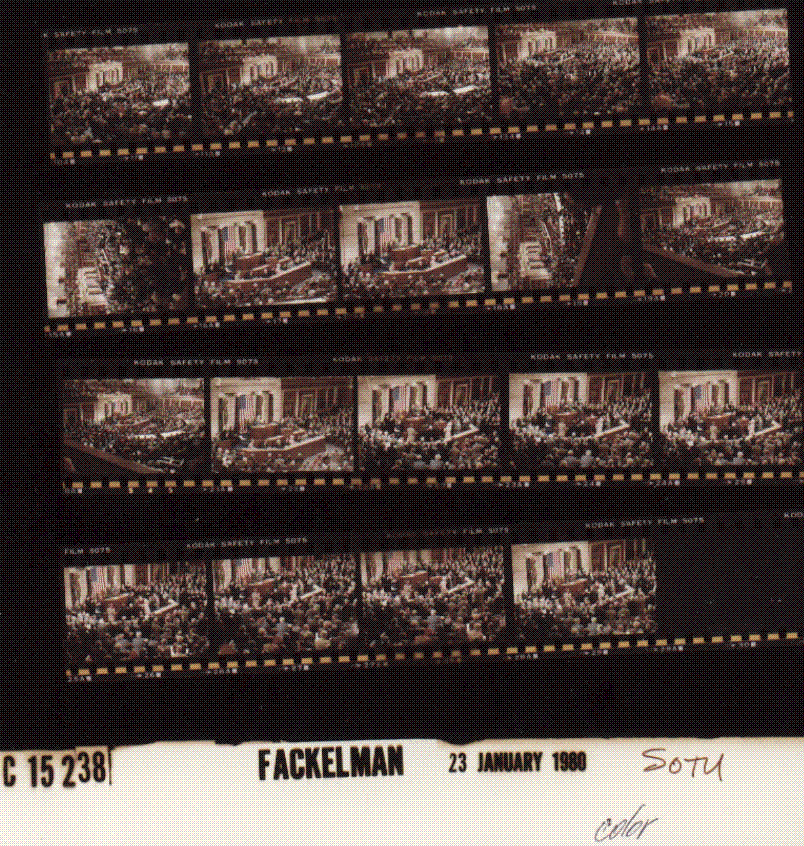
Strabo, Geography, 16.4.22, trans. H. C. Hamilton and W. Falconer, The Geography of Strabo, vol. III (London: Henry G. Bohn, 1857); Project Gutenberg ebook 44886. Strabo goes on to relate how the expedition, misled by its Nabataean guide, failed. → Jimmy Carter's State of the Union address of 23 January 1980 declares the Gulf a vital interest to be defended by force — the Carter Doctrine Let our position be absolutely clear: An attempt by any outside force to gain control of the Persian Gulf region will be regarded as an assault on the vital interests of the United States of America, and such an assault will be repelled by any means necessary, including military force.
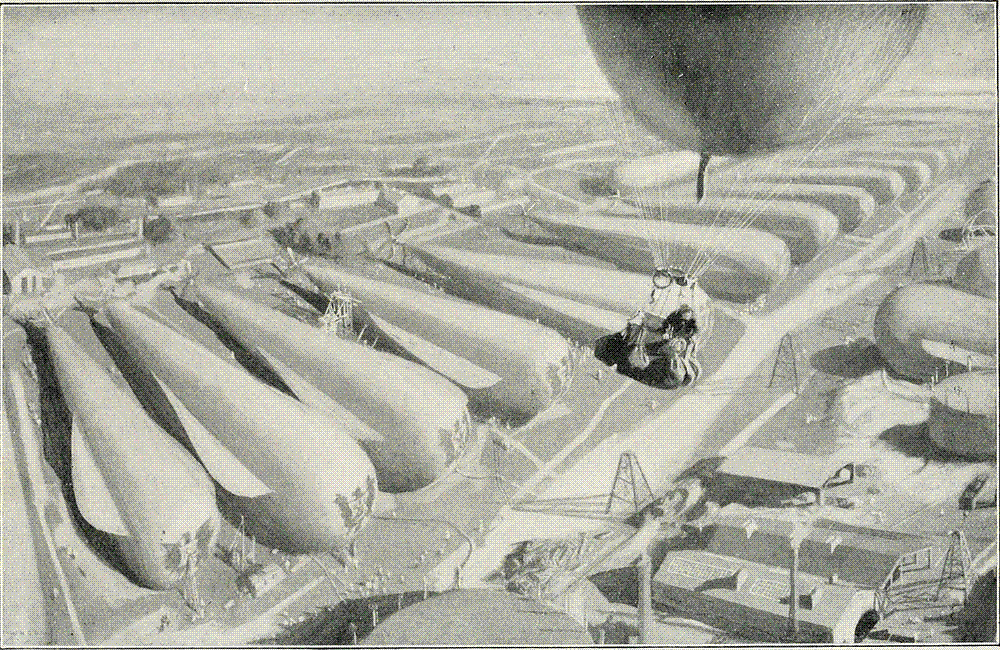
Jimmy Carter, State of the Union Address delivered before a joint session of Congress, 23 January 1980; text from the Jimmy Carter Presidential Library and Museum. → H. G. Wells, in 'The War in the Air' (1908), foresees what long-range air attack does to the idea of a front: every city becomes the front The third peculiarity of aerial warfare was that it was at once enormously destructive and entirely indecisive. It had this unique feature, that both sides lay open to punitive attack. In all previous forms of war, both by land and sea, the losing side was speedily unable to raid its antagonist's territory and the communications. One fought on a “front,” and behind that front the winner's supplies and resources, his towns and factories and capital, the peace of his country, were secure.
H. G. Wells, The War in the Air (London: George Bell & Sons, 1908); Project Gutenberg ebook 780. → T. S. Eliot's 'The Waste Land' (1922) sees the capitals of the old Near East and of Europe fall together in one line What is the city over the mountains / Cracks and reforms and bursts in the violet air / Falling towers / Jerusalem Athens Alexandria / Vienna London / Unreal
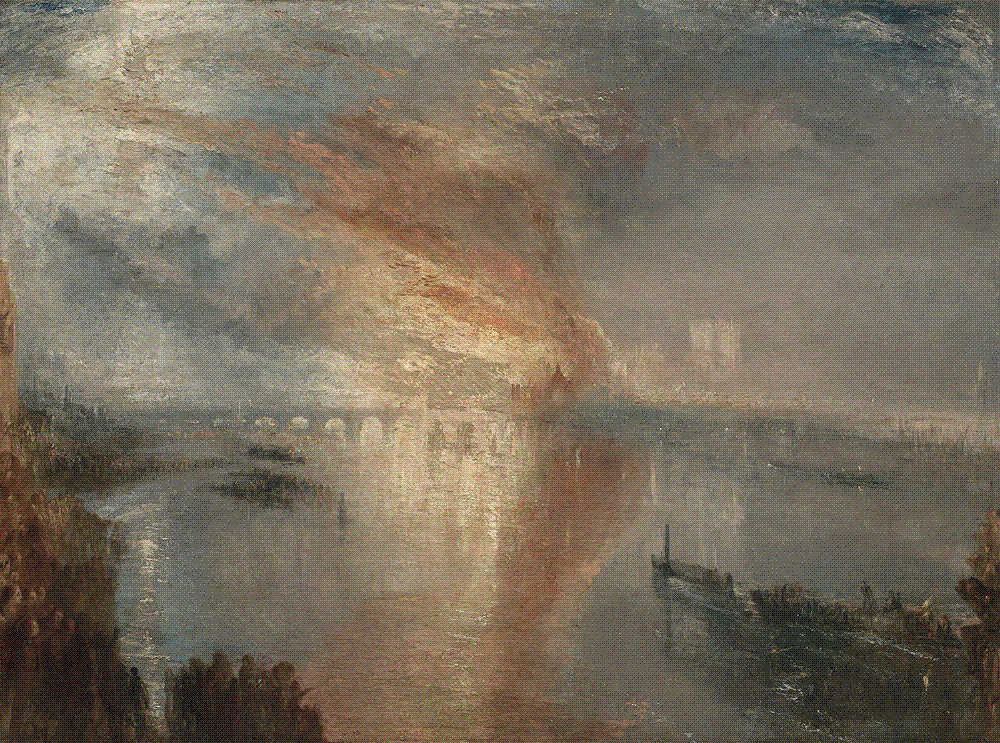
T. S. Eliot, The Waste Land, part V, 'What the Thunder Said', lines 371–377 (New York: Boni and Liveright, 1922); Project Gutenberg ebook 1321. → J. M. W. Turner paints the burning of the Houses of Parliament, which he watched from the Thames in October 1834 Turner stood among the crowds on the night of 16 October 1834 and watched the old Palace of Westminster burn. In the Cleveland canvas the fire fills the centre of the picture, a column of flame and smoke rising above the river, while spectators crowd the bank and boats hang in the glowing water. The subject is not the damage but the spectacle — how a city watches its own seat of government burn, and cannot look away. He painted the scene twice; the other version is in Philadelphia.
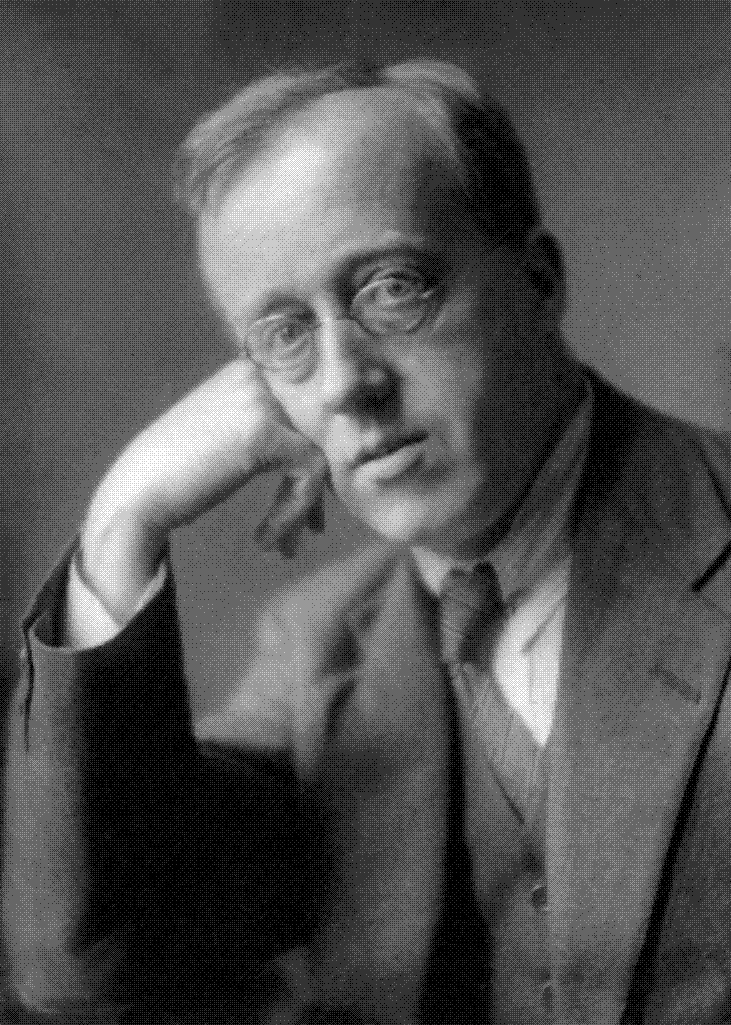
Joseph Mallord William Turner, The Burning of the Houses of Lords and Commons, 16 October 1834, 1835, oil on canvas; Cleveland Museum of Art, 1942.647. → Gustav Holst's 'Mars, the Bringer of War', written in 1914, drives an unrelenting five-beat rhythm through the orchestra Mars, the first movement of Holst's orchestral suite The Planets, was written in 1914. Strings struck with the wood of the bow hammer out a relentless rhythm in five beats to the bar, and brass fanfares build over it into dissonant climaxes that never resolve into victory. It is music about war as a machine that, once started, keeps its own time — the pulse does not change no matter what is thrown against it.
Gustav Holst, The Planets, Op. 32, H. 125, I. 'Mars, the Bringer of War', composed 1914–16, first public performance London, 1920; score at the International Music Score Library Project (IMSLP). →