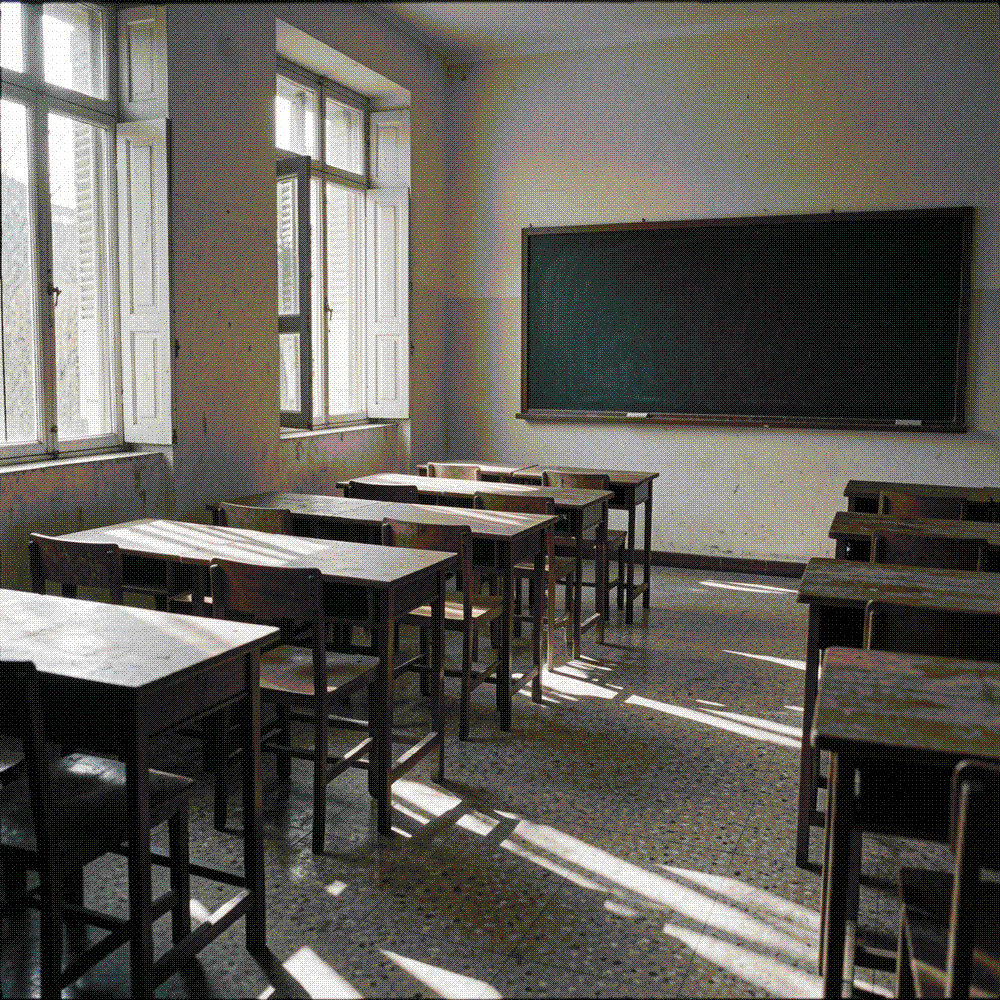
An empty primary classroom with small wooden desks, a bare blackboard and sunlight striping the tiled floor

AI-generated

PoliticsBBC · AP · ReutersSep 25, 2026

Italy decrees a ban on face veils in classrooms and a cap on the number of non-Italian speakers per class

Giorgia Meloni set it out on Sunday: Italy would prohibit the burqa and the niqab in schools and limit the number of foreign pupils in any one classroom, a policy she placed in a wider European current that already includes Austria's restrictions on headscarves for younger children. By Friday it was no longer a plan. Ministers approved decrees banning face coverings in school classrooms and capping the proportion of non-Italian speakers per class, with the government presenting both as instruments of integration rather than exclusion — the veil ban as a matter of open faces in a shared civic space, the language cap as a matter of teaching a class that can follow the lesson. The two measures are different in kind, and will be tested differently: one regulates what a pupil may wear, the other determines which school a pupil may attend. Both will be argued out in the courts and in the specific arithmetic of towns where the cap is already exceeded.
Analogies

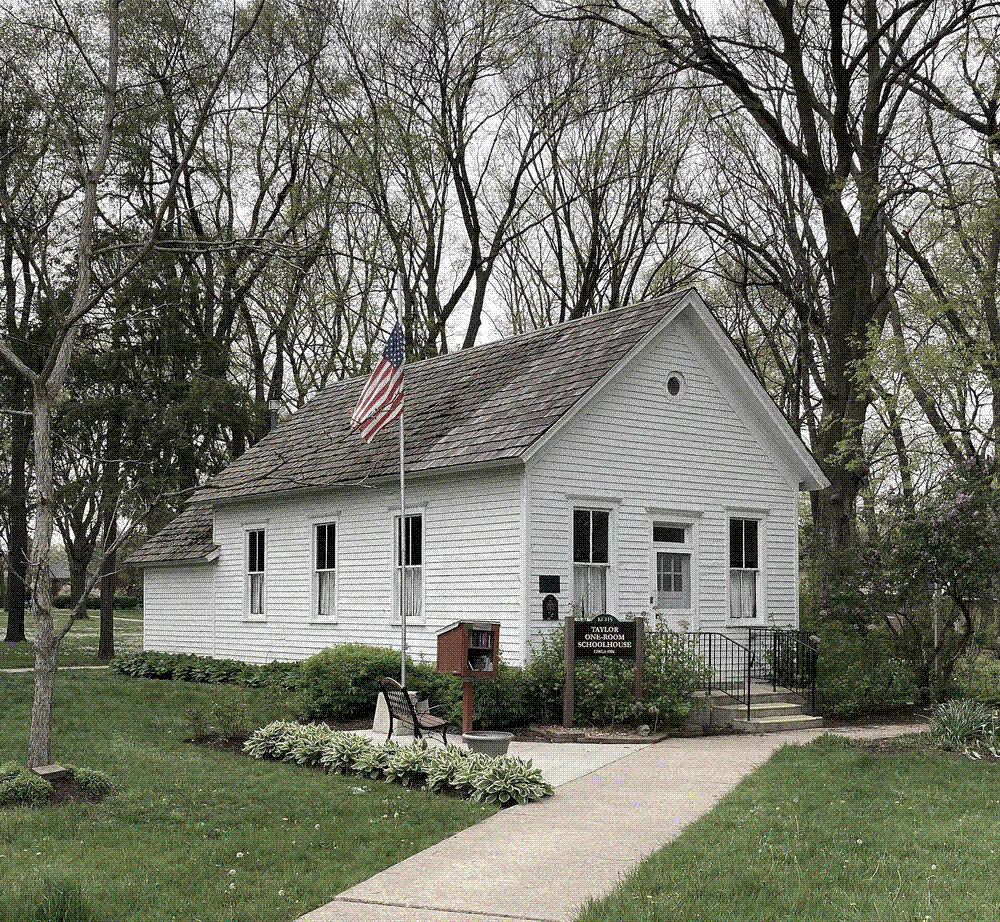
A preserved one-room American schoolhouse of the early twentieth century

Meyer v. Nebraska, 1923: a state bans teaching in German, and the Supreme Court says the constitution covers the other languages too

The protection of the Constitution extends to all, to those who speak other languages as well as to those born with English on the tongue.
Meyer v. Nebraska, 262 U.S. 390 (1923), opinion of the Court delivered by Justice James Clark McReynolds. →
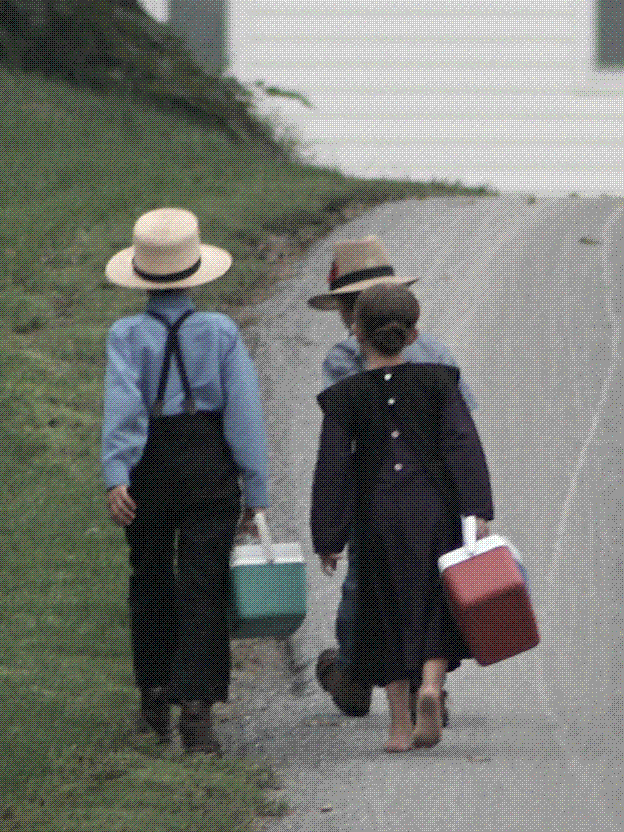
Amish children walking along a country road on their way to school

Wisconsin v. Yoder, 1972: compulsory schooling meets a religious community, and the court weighs one against the other

only those interests of the highest order and those not otherwise served can overbalance legitimate claims to the free exercise of religion
Wisconsin v. Yoder, 406 U.S. 205 (1972), opinion of the Court delivered by Chief Justice Warren E. Burger. →
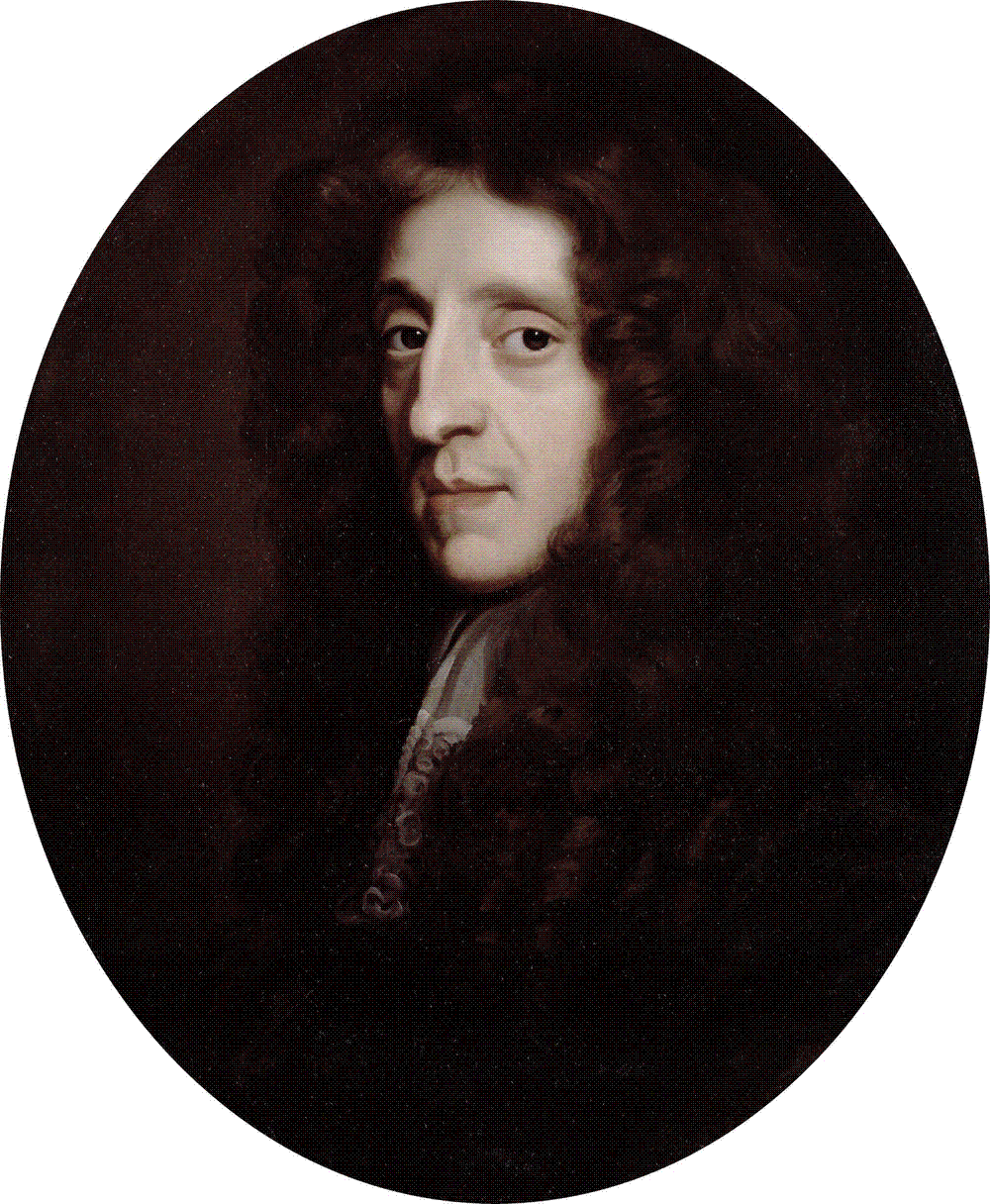
Godfrey Kneller's portrait of the philosopher John Locke in a dark coat

Locke, in 1689, draws the line the argument still runs along

Nobody, therefore, in fine, neither single persons nor churches, nay, nor even commonwealths, have any just title to invade the civil rights and worldly goods of each other upon pretence of religion.
John Locke, A Letter Concerning Toleration, trans. William Popple (London, 1689). →
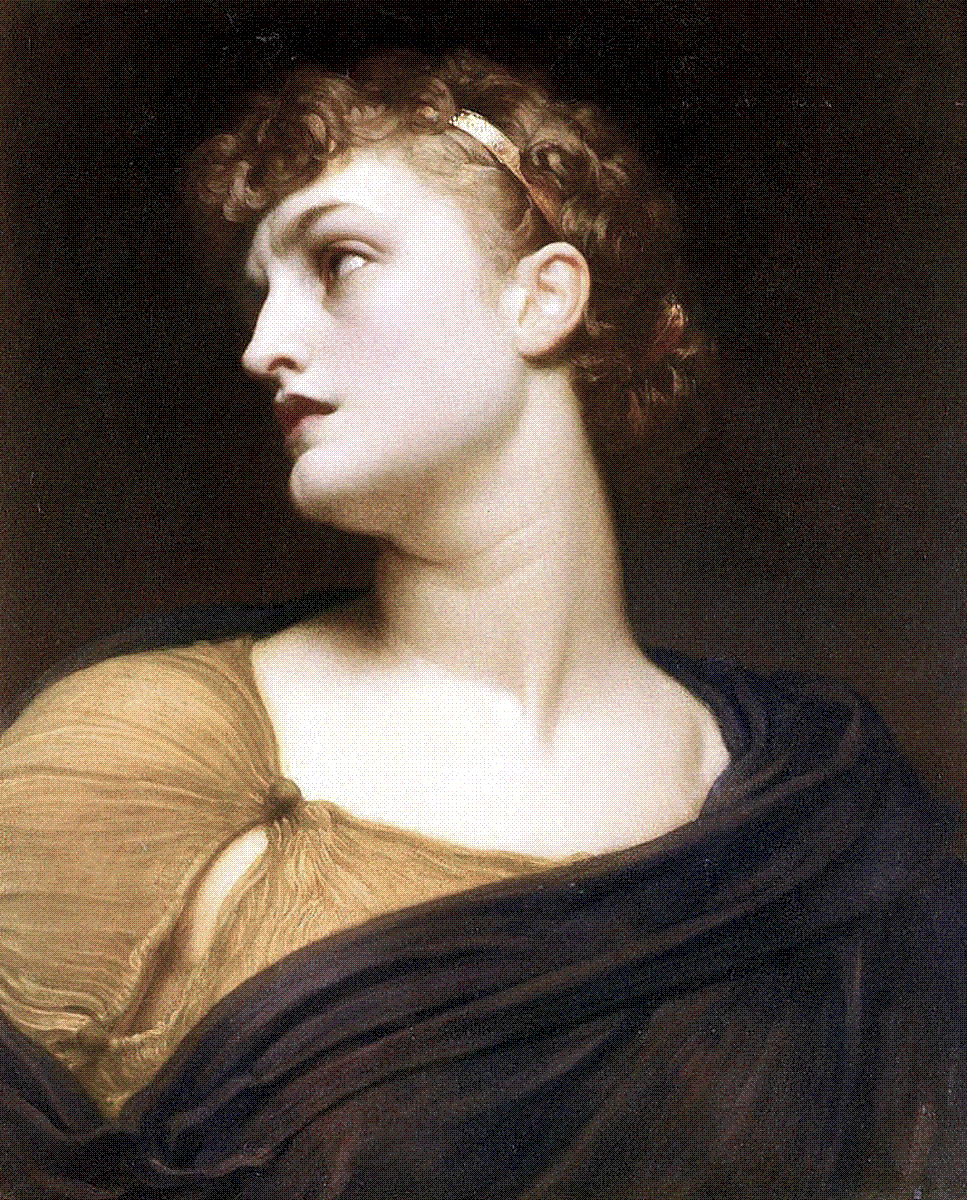
Frederic Leighton's painting of Antigone, her head raised and turned away

Antigone sets an unwritten obligation against a written decree, and neither side is stupid

Nor did I deem that thou, a mortal man, Could'st by a breath annul and override The immutable unwritten laws of Heaven.
Sophocles, Antigone, trans. F. Storr (London: Heinemann, 1912); Project Gutenberg ebook 31. →
Painting of an elderly man in Ottoman dress standing with a flute over five tortoises in a bare room

Osman Hamdi Bey's 'The Tortoise Trainer' (1906) is a picture of a reformer and the pace of the thing he is reforming

An elderly man in an old-fashioned Ottoman robe stands in a bare upper room of the Green Mosque at Bursa with a ney flute and a nakkare drum, trying to train five tortoises crawling at his feet. Osman Hamdi Bey — painter, archaeologist, founder of Istanbul's imperial museum, and a reformer himself — painted it in the year before the Young Turk revolution. It is usually read as self-portraiture: the man charged with modernising something that moves at its own speed, using instruments it cannot hear.
Osman Hamdi Bey, Kaplumbağa Terbiyecisi (The Tortoise Trainer), 1906, oil on canvas, 221.5 × 120 cm; Pera Museum, Istanbul. →
Antonello da Messina's painting of a young woman in a blue veil, one hand raised, looking past the viewer

Antonello da Messina's 'Virgin Annunciate' (c. 1476) gives a covered woman the most private face in Renaissance painting

A young woman in a plain blue mantle looks slightly past the viewer, one hand lifted, the other holding the veil closed at her throat. There is no angel, no lily, no architecture: Antonello cuts everything from the Annunciation except the woman and the instant she is told. The covering is the picture's whole structure — a perfect blue triangle framing a face that is doing all the thinking, and is not available to be read.
Antonello da Messina, Vergine Annunziata (Virgin Annunciate), c. 1476, oil on panel, 45 × 34.5 cm; Galleria Regionale della Sicilia, Palazzo Abatellis, Palermo. →