AP
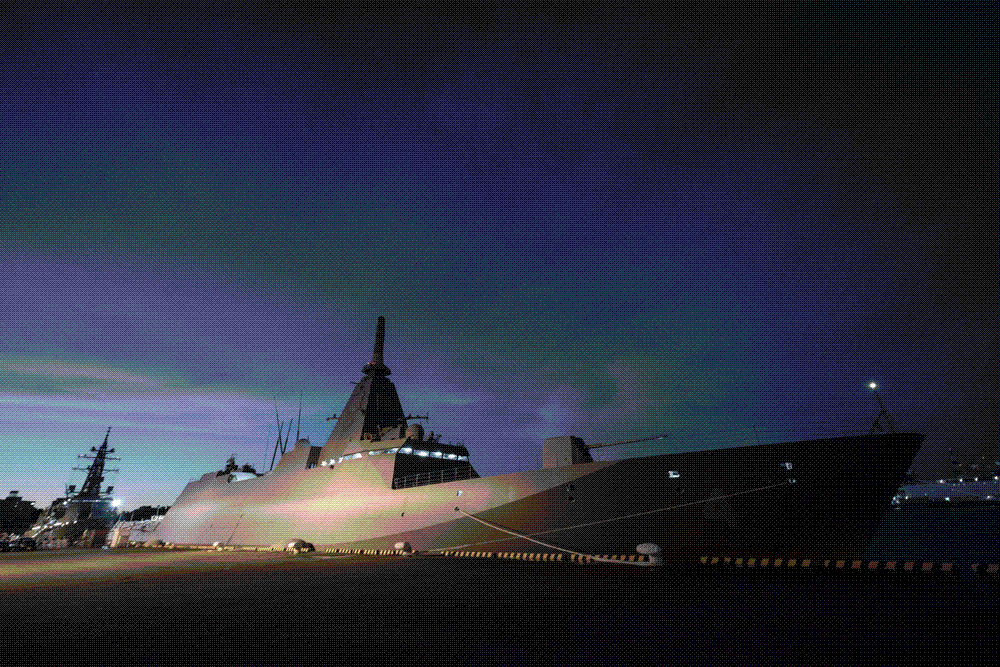
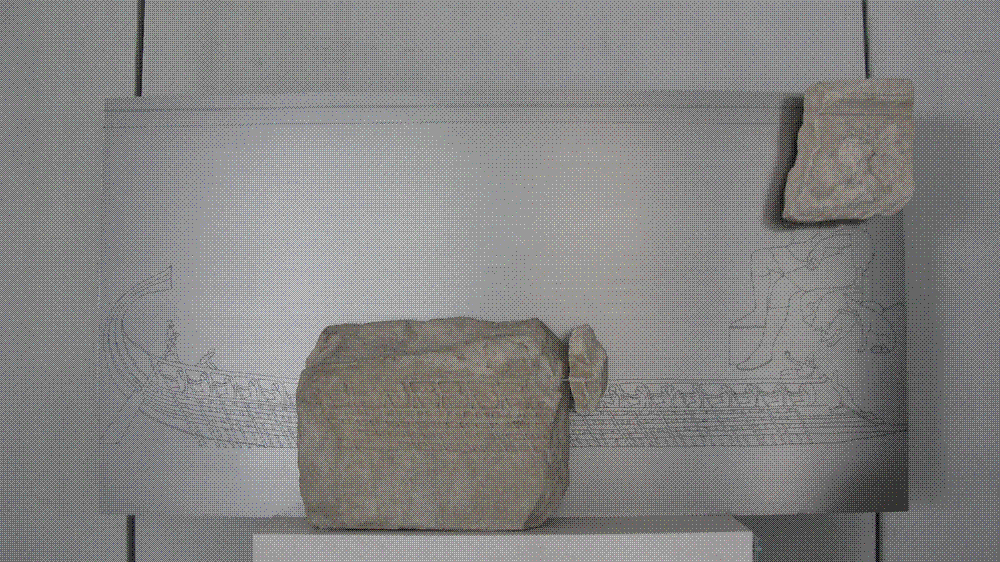
Japan's cabinet adopts a 598-page defence white paper calling combat drones essential to 'new ways of warfare' The annual paper, adopted on Tuesday, again names China as Japan's biggest strategic challenge and points to the growing presence of Chinese warships in the Pacific. Drawing on Ukraine's use of drones, Tokyo says it will prioritise developing its own for coastal defence alongside long-range cruise missiles. Prime Minister Sanae Takaichi's government, which needs public support for further military spending and recruits, gave the report a cartoon cover and links to video clips in Japanese, English and Chinese. Analogies Themistocles talks Athens out of its dividend and into two hundred ships The advice of Themistocles had prevailed on a previous occasion. The revenues from the mines at Laurium had brought great wealth into the Athenians' treasury, and when each man was to receive ten drachmae for his share, Themistocles persuaded the Athenians to make no such division but to use the money to build two hundred ships for the war, that is, for the war with Aegina. This was in fact the war the outbreak of which saved Hellas by compelling the Athenians to become seamen.
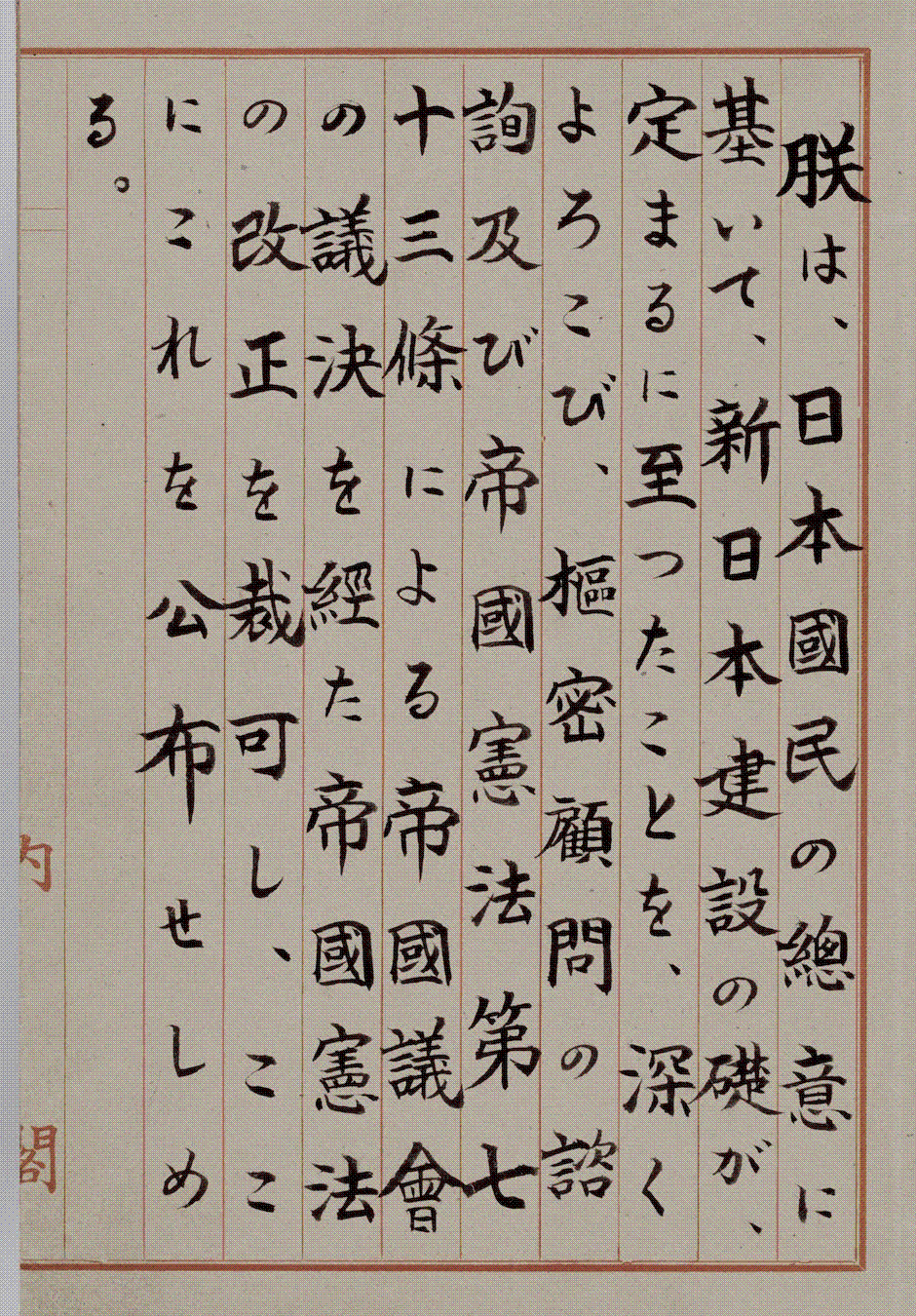
Herodotus, The Histories, Book 7, chapter 144; English translation by A. D. Godley, Cambridge, MA: Harvard University Press, 1920. Hosted by the Perseus Digital Library, Tufts University. → The clause Japan wrote against itself: Article 9 renounces war forever Aspiring sincerely to an international peace based on justice and order, the Japanese people forever renounce war as a sovereign right of the nation and the threat or use of force as means of settling international disputes. (2) In order to accomplish the aim of the preceding paragraph, land, sea, and air forces, as well as other war potential, will never be maintained. The right of belligerency of the state will not be recognized.
The Constitution of Japan, promulgated 3 November 1946, effective 3 May 1947; Chapter II, "Renunciation of War," Article 9. English text based on the edition of the Government Printing Bureau, published online by the National Diet Library of Japan ("Birth of the Constitution of Japan"). → Milton's rebel angels invent artillery, and everyone wishes they had thought of it first These in their dark nativity the deep / Shall yield us, pregnant with infernal flame; / Which, into hollow engines, long and round, / Thick rammed, at the other bore with touch of fire / Dilated and infuriate, shall send forth / From far, with thundering noise, among our foes / Such implements of mischief, as shall dash / To pieces, and o’erwhelm whatever stands / Adverse, that they shall fear we have disarmed / The Thunderer of his only dreaded bolt. … The invention all admired, and each, how he / To be the inventer missed; so easy it seemed / Once found, which yet unfound most would have thought / Impossible
John Milton, Paradise Lost, Book VI (first published 1667; revised 1674), speech of Satan on the making of cannon. Project Gutenberg eBook No. 26. → H. G. Wells imagines an air war fought without telling the public One of the most striking facts historically about this war, and the one that makes the complete separation that had arisen between the methods of warfare and the necessity of democratic support, is the effectual secrecy of the Washington authorities about their airships. They did not bother to confide a single fact of their preparations to the public. They did not even condescend to talk to Congress. They burked and suppressed every inquiry. The war was fought by the President and the Secretaries of State in an entirely autocratic manner. … So they took great pains to direct the popular mind towards defensive artillery, and to divert it from any thought of aerial battle.
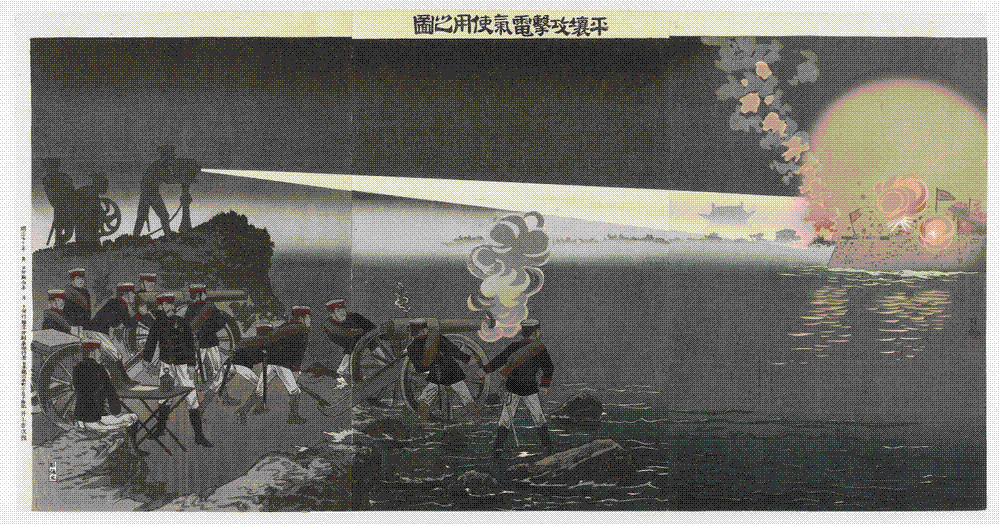
H. G. Wells, The War in the Air, 1908; Chapter VI, "How War Came to New York." Project Gutenberg eBook No. 780. → Kiyochika sells the searchlight: a night attack lit by the newest machine Heijô kôgeki denki shiyô no zu — "Illustration of the Use of Electricity in the Attack on Pyongyang." Across three joined sheets a hard white beam leaps from a Japanese searchlight crew silhouetted on the left bank, cuts the whole width of the night, and pins the Chinese fort on the far right, which is already blooming into orange fire and smoke. Below the beam, artillerymen in dark tunics manhandle field guns down into the shallows while an officer sits calmly at a folding table with a lamp. The hero of the picture is not a soldier but a piece of equipment.
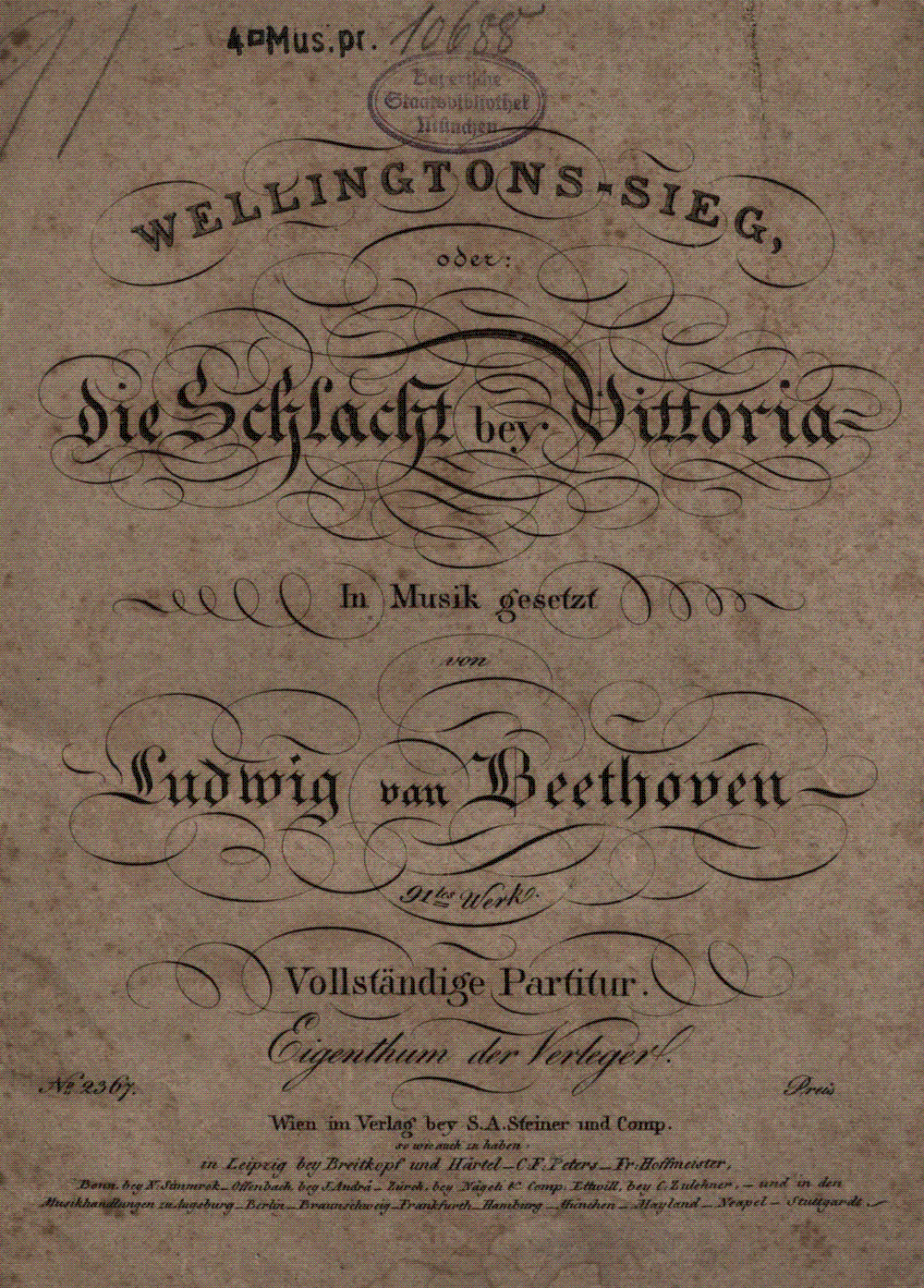
Kobayashi Kiyochika, Heijô kôgeki denki shiyô no zu ("Using an Electric Searchlight in the Attack on Pyongyang"), colour woodcut triptych, 353 × 723 mm, published by Inoue Kichijirô (Teikadô), 1894. Rijksmuseum, Amsterdam, object no. RP-P-2010-310-14. → Beethoven's battle machine: a victory scored for cannon, rattles and a mechanical orchestra WELLINGTONS SIEG, oder: die Schlacht bey Vittoria. In Musik gesetzt von Ludwig van Beethoven. 91tes Werk. Vollständige Partitur. Eigenthum der Verleger. Wien im Verlag bey S. A. Steiner und Comp., so wie auch zu haben in Leipzig bey Breitkopf und Härtel — C. F. Peters — Fr. Hoffmeister,
Ludwig van Beethoven, Wellingtons Sieg, oder die Schlacht bey Vittoria, Op. 91 (composed 1813 for Mälzel's panharmonicon; scored with cannon, rattles and separate French and English field drums). First edition full score, Vienna: S. A. Steiner und Comp., plate 2367, 1816; holograph manuscript at the Staatsbibliothek zu Berlin. Scores hosted at IMSLP / Petrucci Music Library. →