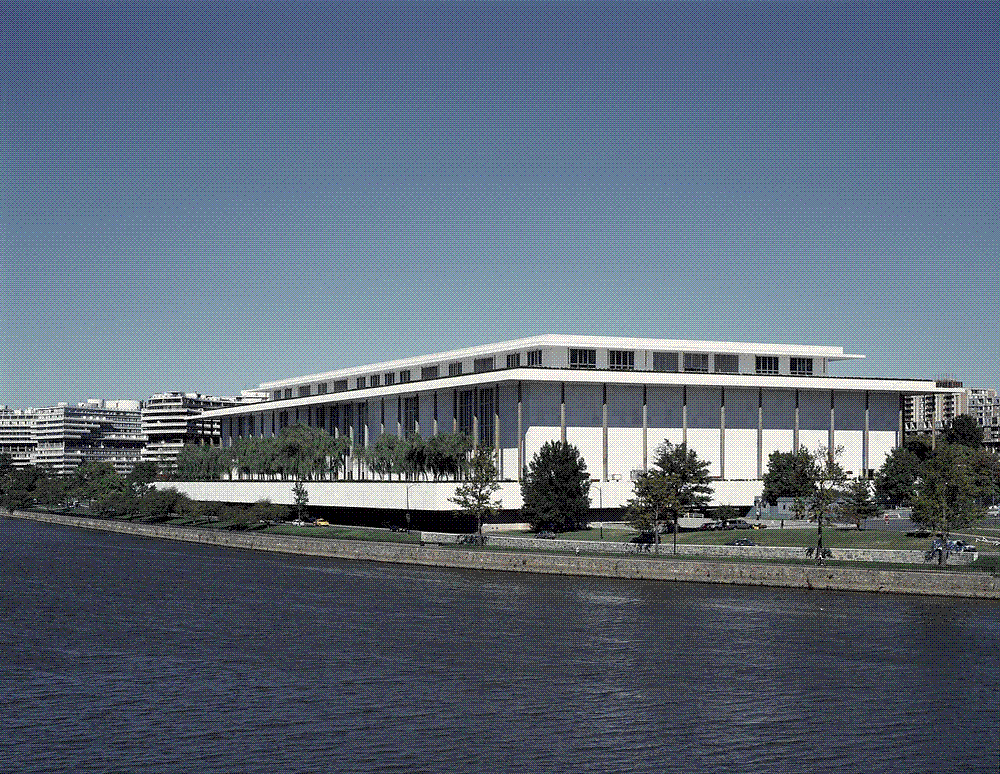
The long white marble façade of the John F. Kennedy Center for the Performing Arts beside the Potomac River in Washington.

Carol M. Highsmith / Library of Congress (public domain)

MusicAP · Reuters · BBCSep 24, 2026

Thousands protest outside the Kennedy Center as Trump declines to say whether he will tear it down

Thousands of people protested outside the John F. Kennedy Center for the Performing Arts in Washington on 19 September over fears that Donald Trump might demolish it. Trump declined to say whether he would tear the building down, while defending his push to put his own name on it. Kerry Kennedy, a niece of President Kennedy, said demolition would be 'a tragedy', and questions continued over the centre's finances, including the claim that it was losing 'hundreds of millions of dollars'. The centre, opened in 1971 as the national memorial to the assassinated president, houses the National Symphony Orchestra and the Washington National Opera.
Analogies

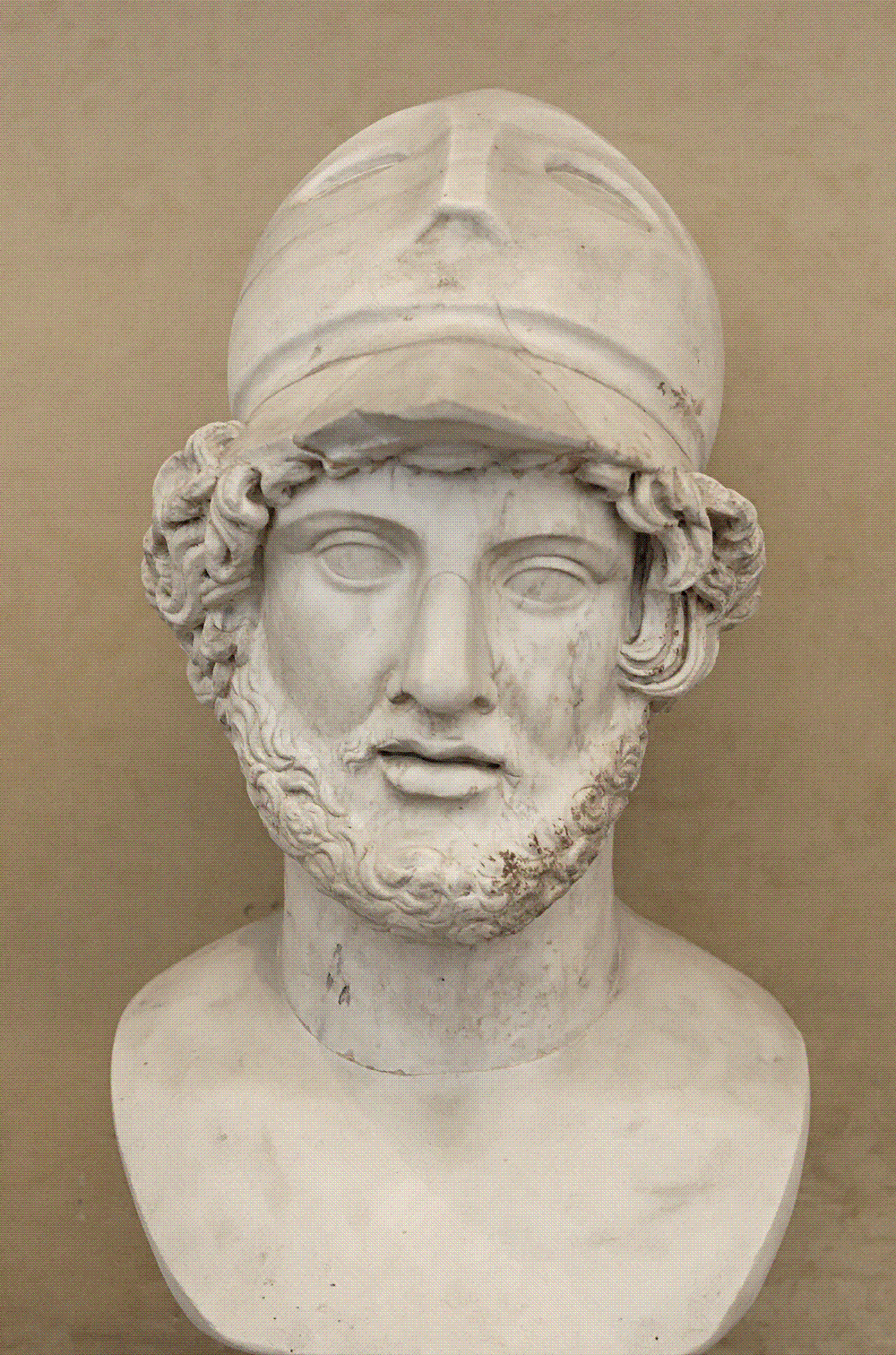
Marble herm bust of Pericles wearing a crested helmet, a Roman copy in the Vatican's Museo Chiaramonti

Pericles, in his funeral oration of 431 BC, describes a city whose wealth is for use and whose culture is held in common

We cultivate refinement without extravagance and knowledge without effeminacy; wealth we employ more for use than for show, and place the real disgrace of poverty not in owning to the fact but in declining the struggle against it.
Thucydides, History of the Peloponnesian War, 2.40, the Funeral Oration of Pericles, trans. Richard Crawley (London: J. M. Dent, 1874); Project Gutenberg ebook 7142. →
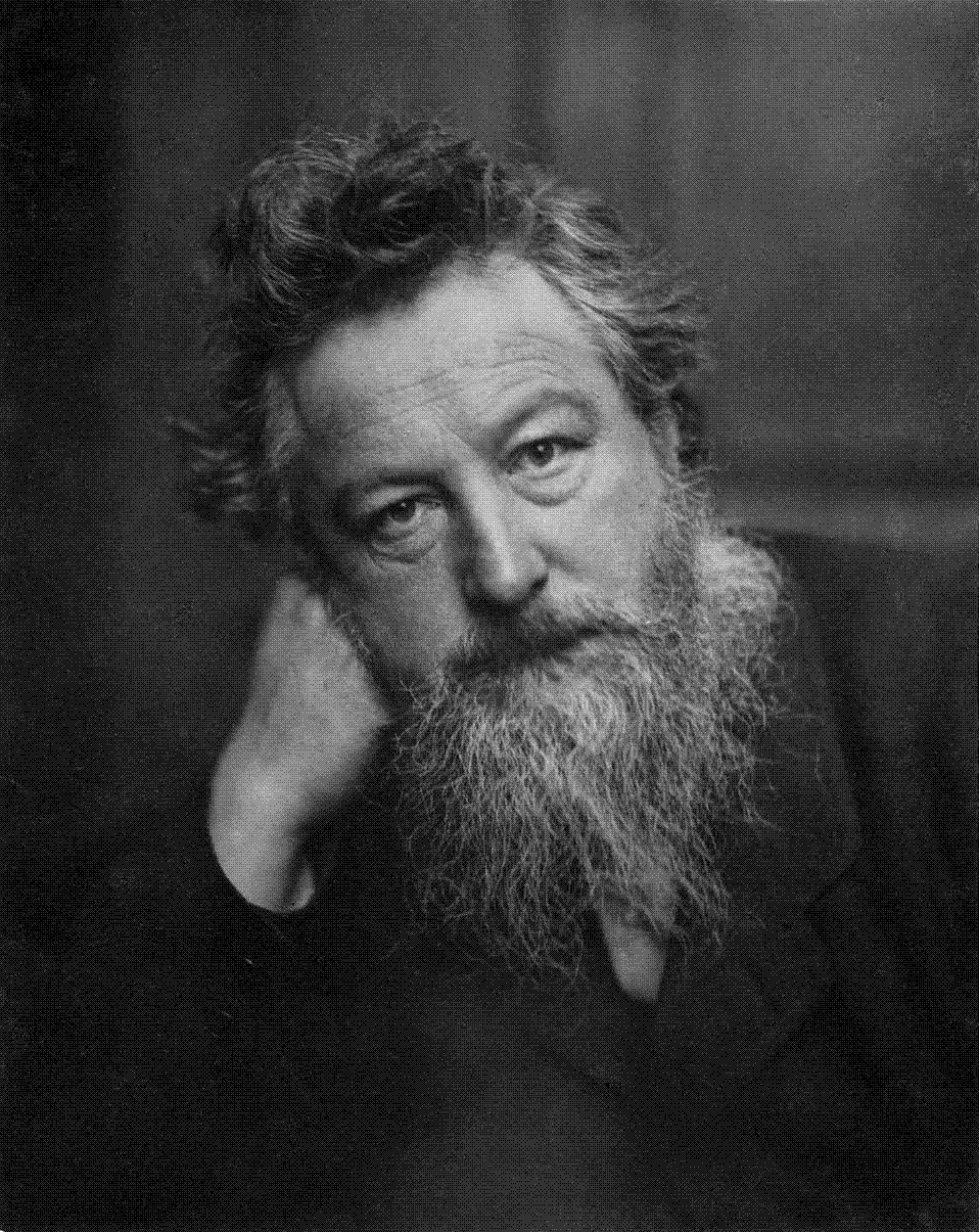
Frederick Hollyer's photograph of William Morris aged 53, with a full grey beard and unruly hair

William Morris's manifesto for the Society for the Protection of Ancient Buildings (1877): protection, not replacement

It is for all these buildings, therefore, of all times and styles, that we plead, and call upon those who have to deal with them, to put Protection in the place of Restoration, to stave off decay by daily care, to prop a perilous wall or mend a leaky roof by such means as are obviously meant for support or covering, and show no pretence of other art, and otherwise to resist all tampering with either the fabric or ornament of the building as it stands; if it has become inconvenient for its present use, to raise another building rather than alter or enlarge the old one; in fine to treat our ancient buildings as monuments of a bygone art, created by bygone manners, that modern art cannot meddle with without destroying.
William Morris, Manifesto of the Society for the Protection of Ancient Buildings, 1877; text published by the SPAB. →
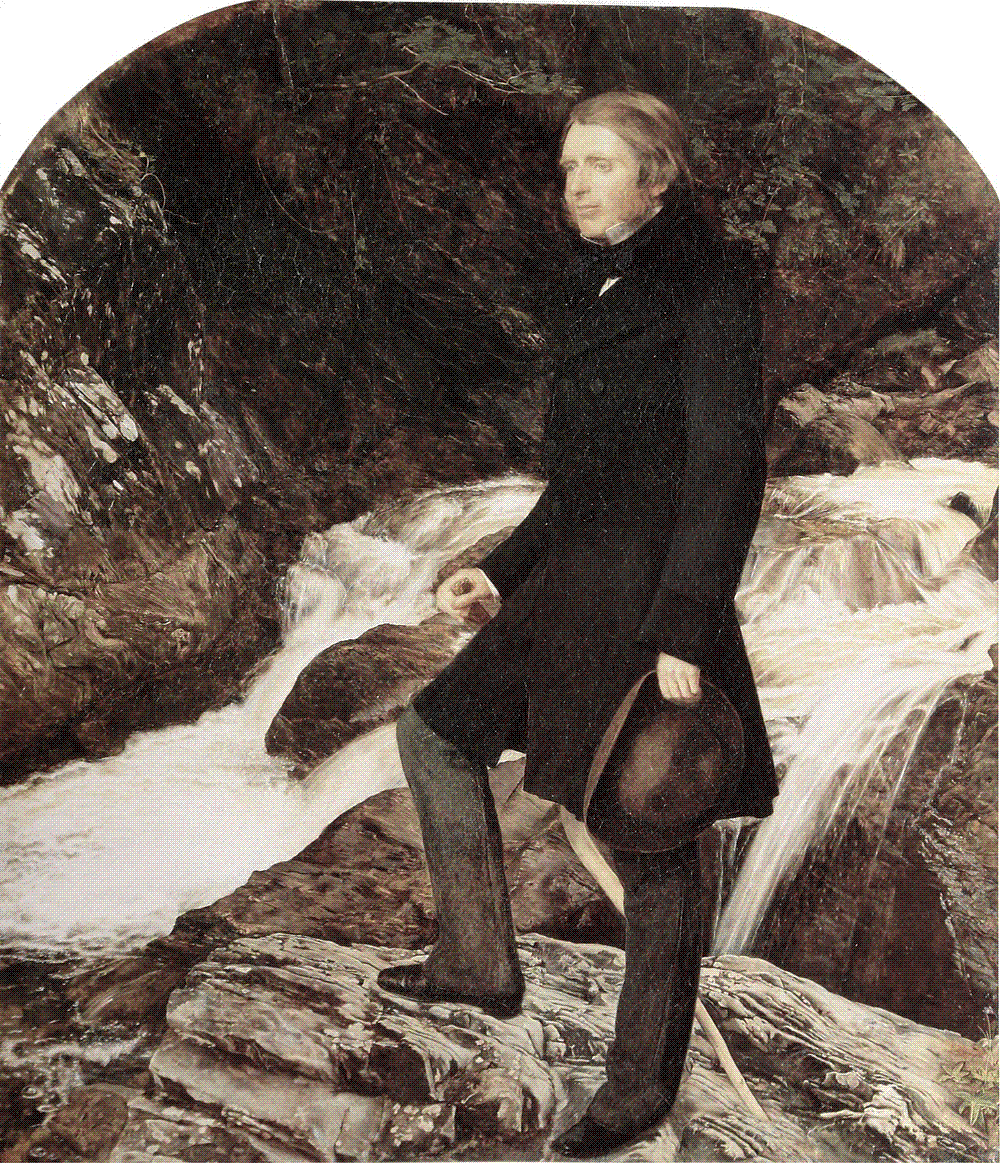
John Everett Millais's 1853–54 portrait of John Ruskin standing on the rocks beside a rushing stream at Glenfinlas

John Ruskin, 'The Lamp of Memory' (1849): the buildings of the past are not ours to destroy

it is again no question of expediency or feeling whether we shall preserve the buildings of past times or not. We have no right whatever to touch them. They are not ours. They belong partly to those who built them, and partly to all the generations of mankind who are to follow us. The dead have still their right in them: that which they labored for, the praise of achievement or the expression of religious feeling, or whatsoever else it might be which in those buildings they intended to be permanent, we have no right to obliterate.
John Ruskin, The Seven Lamps of Architecture (London: Smith, Elder & Co., 1849), ch. VI, 'The Lamp of Memory', §XX; Project Gutenberg ebook 35898. →
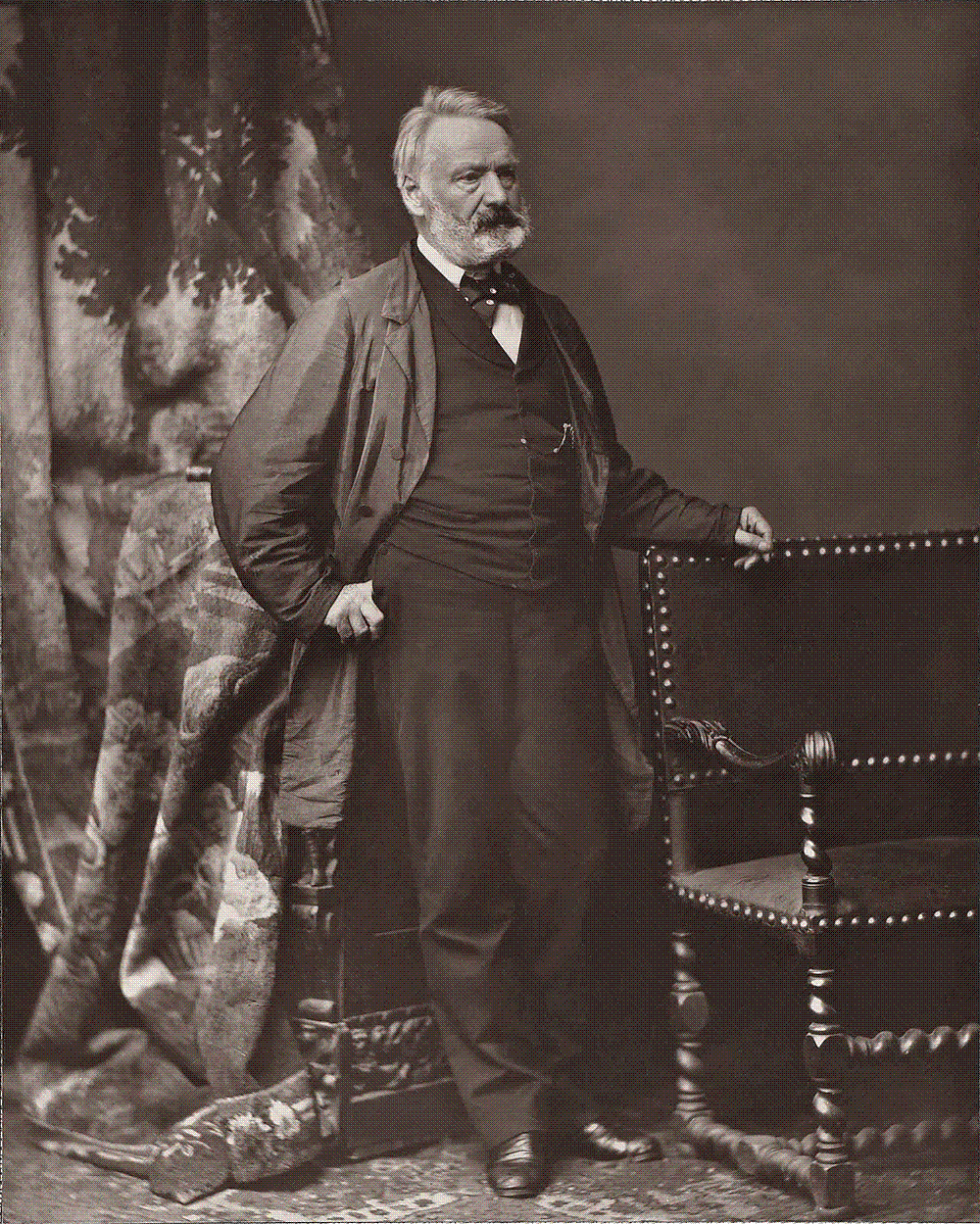
Bertall's photographic portrait of Victor Hugo, grey-bearded, in a dark coat

Victor Hugo, in 'Notre-Dame de Paris' (1831), counts the scars that men, more than time, have left on a great building

On the face of this aged queen of our cathedrals, by the side of a wrinkle, one always finds a scar. Tempus edax, homo edacior; which I should be glad to translate thus: time is blind, man is stupid.
Victor Hugo, Notre-Dame de Paris (1831), Book III, ch. I, 'Notre-Dame', trans. Isabel F. Hapgood (New York: T. Y. Crowell, 1888); Project Gutenberg ebook 2610. →
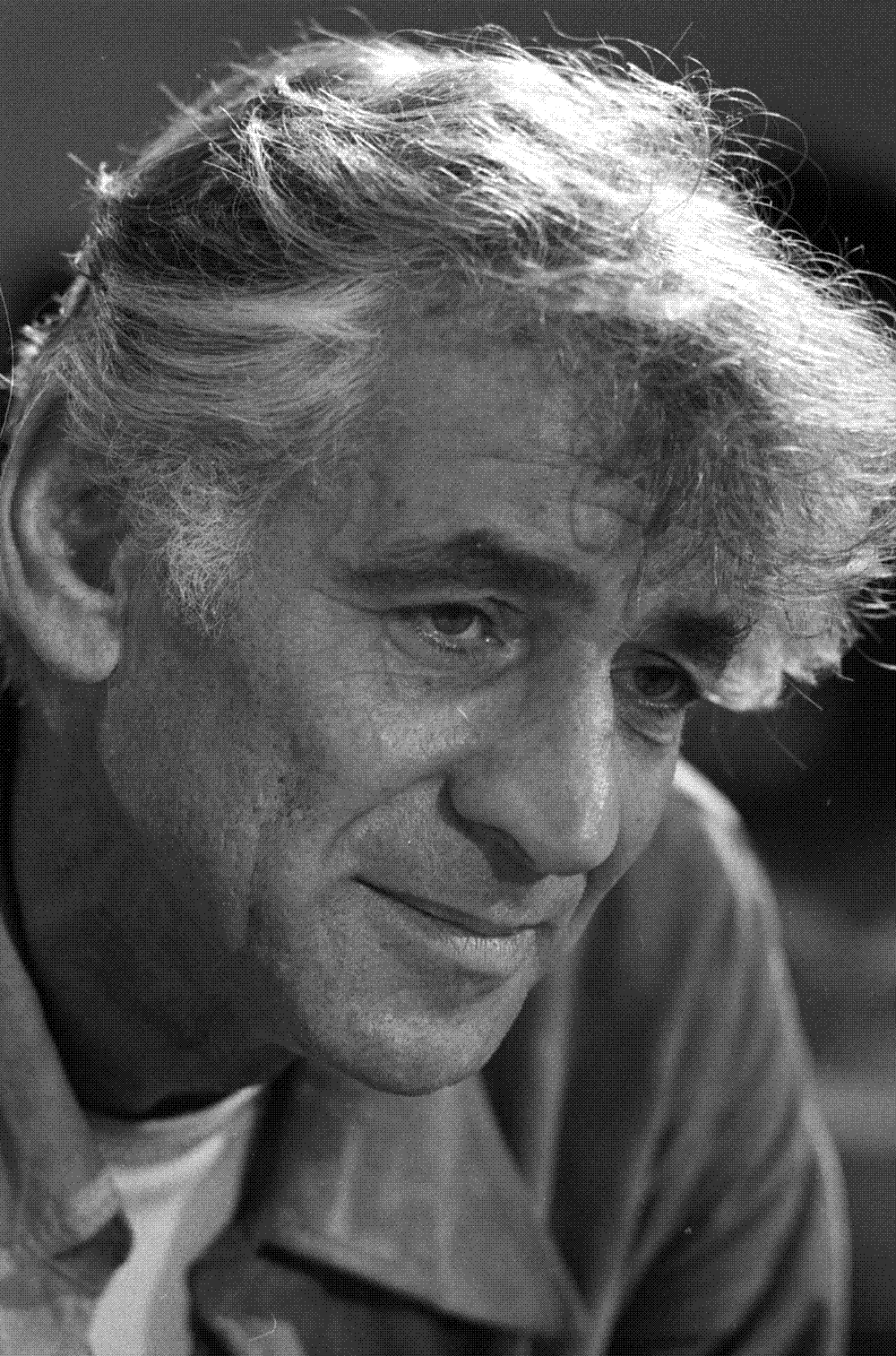
Close-up photograph of Leonard Bernstein in 1971, grey-haired, looking down and to one side

Leonard Bernstein's 'Mass' (1971), commissioned for the opening of the Kennedy Center

Leonard Bernstein's Mass was commissioned by Jacqueline Kennedy for the opening of the Kennedy Center and first performed there on 8 September 1971. It is a theatre piece for singers, players and dancers built on the Roman Catholic liturgy, in which a young celebrant's faith is tested by a crowd that grows louder and angrier until he smashes the sacred vessels — and is rebuilt, at the end, by the quietest voice in the room. It was written for this building, as its first act.
Leonard Bernstein, Mass: A Theatre Piece for Singers, Players and Dancers, text from the Roman Mass with additional texts by Stephen Schwartz and Leonard Bernstein; first performed at the opening of the John F. Kennedy Center for the Performing Arts, Washington, 8 September 1971. →
Hubert Robert's painting of the Louvre's long gallery in ruins, its vault collapsed open to the sky, a classical statue standing among the rubble

Hubert Robert's 'Imaginary View of the Grande Galerie of the Louvre in Ruins' (1796)

Hubert Robert, who helped to plan the Louvre's conversion into a public museum, exhibited two paintings of its Grande Galerie at the Salon of 1796: one showing the gallery as it was to be renovated, and this one, showing it in ruins centuries hence. The vault has fallen in and grass grows between the broken floor stones; the Apollo Belvedere still stands intact among the rubble, while a figure sketches it and others scavenge. It is a painting of a cultural monument imagined from the far side of its destruction.
Hubert Robert, Vue imaginaire de la Grande Galerie du Louvre en ruines, 1796, oil on canvas, 114 × 146 cm; Musée du Louvre, Paris, RF 1975-11. →