A lone microphone on a stand at the centre of an empty stage, cables coiled on the boards and the dark auditorium beyond

AI-generated

MusicBBC · Reuters · APSep 24, 2026

Macklemore announces a benefit tour for Palestinian aid after being dropped from Ed Sheeran's shows

The consequences of a support act's politics ran through the whole week. Aid organisations working in Gaza said Macklemore's $1m pledge, made after his removal from Ed Sheeran's tour over pro-Palestinian remarks, had brought both money and renewed attention. Sheeran, opening solo dates without him, called the situation in Gaza 'catastrophic and unjustifiable', then told an audience in Philadelphia that he had made mistakes in how he handled the removal, and later returned to the subject again, describing the pressure on performers to hold no position — and suggesting that those who stay neutral do so partly to avoid losing an audience. Fans and pro-Palestinian demonstrators turned up outside the same shows. On Thursday Macklemore answered the argument by scaling it: a new tour, opening in Dublin, with proceeds going to Palestinian aid organisations. The week's real subject was the one Sheeran named — whether a performer with a stadium audience is permitted to be a citizen in public.
Analogies

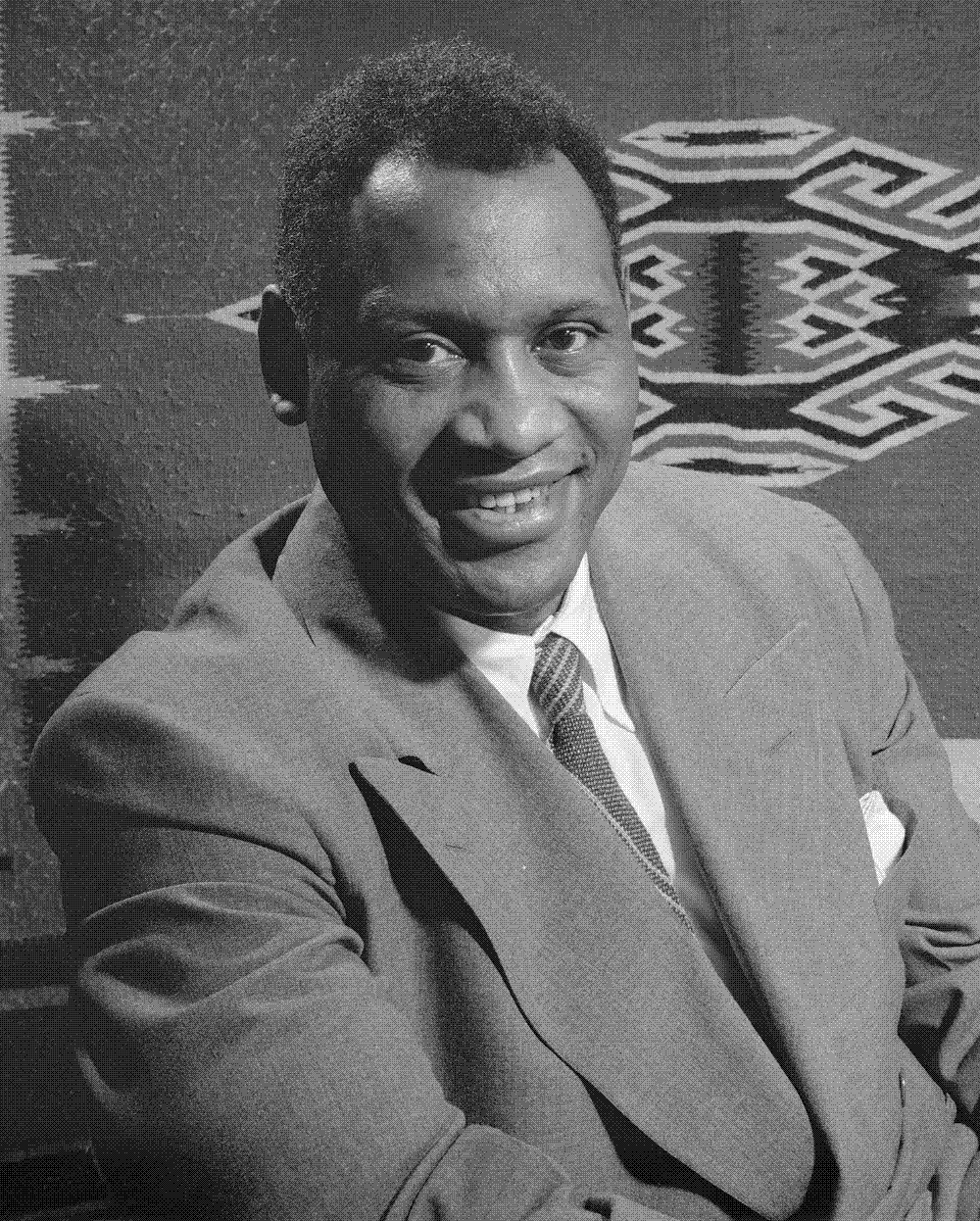
A photograph of the singer and actor Paul Robeson in performance

1958: the Supreme Court ends the practice of taking away a singer's passport for his politics

The right to travel is a part of the 'liberty' of which the citizen cannot be deprived without the due process of law under the Fifth Amendment.
Kent v. Dulles, 357 U.S. 116 (1958), opinion of the Court delivered by Justice William O. Douglas, decided after years of litigation over passports denied to left-wing artists including Paul Robeson. →
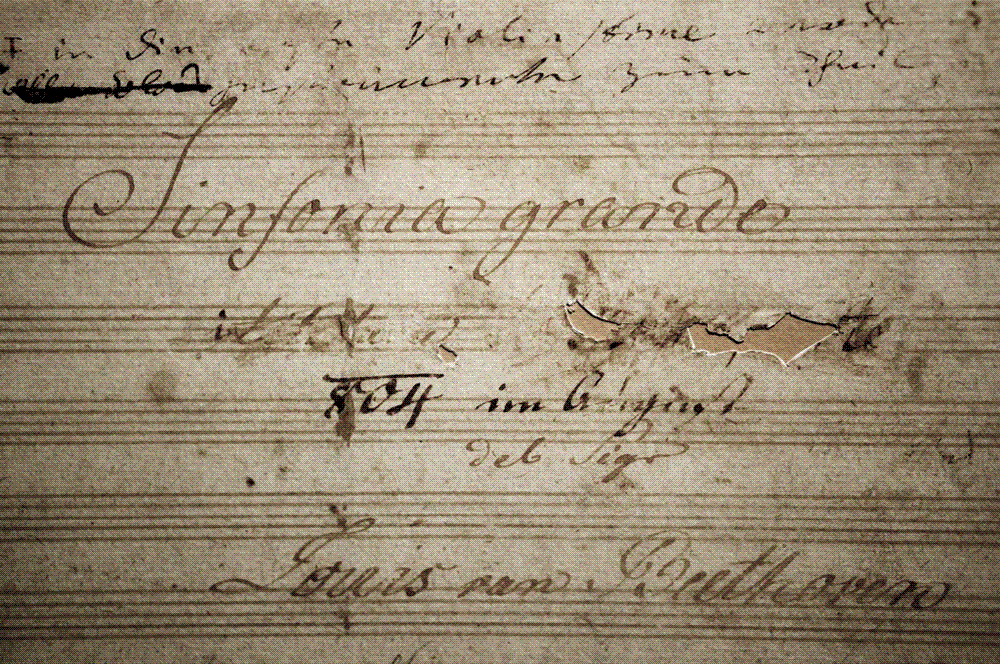
The title page of Beethoven's Eroica symphony, with the scratched-out dedication

1804: Beethoven hears what his dedicatee has done and takes the name off the score

I was the first to bring him the intelligence that Buonaparte had proclaimed himself emperor, whereupon he flew into a rage and cried out: "Is then he, too, nothing more than an ordinary human being?
Ferdinand Ries's account, quoted in Alexander Wheelock Thayer, The Life of Ludwig van Beethoven, vol. II (New York: The Beethoven Association, 1921); Project Gutenberg ebook 43592. →
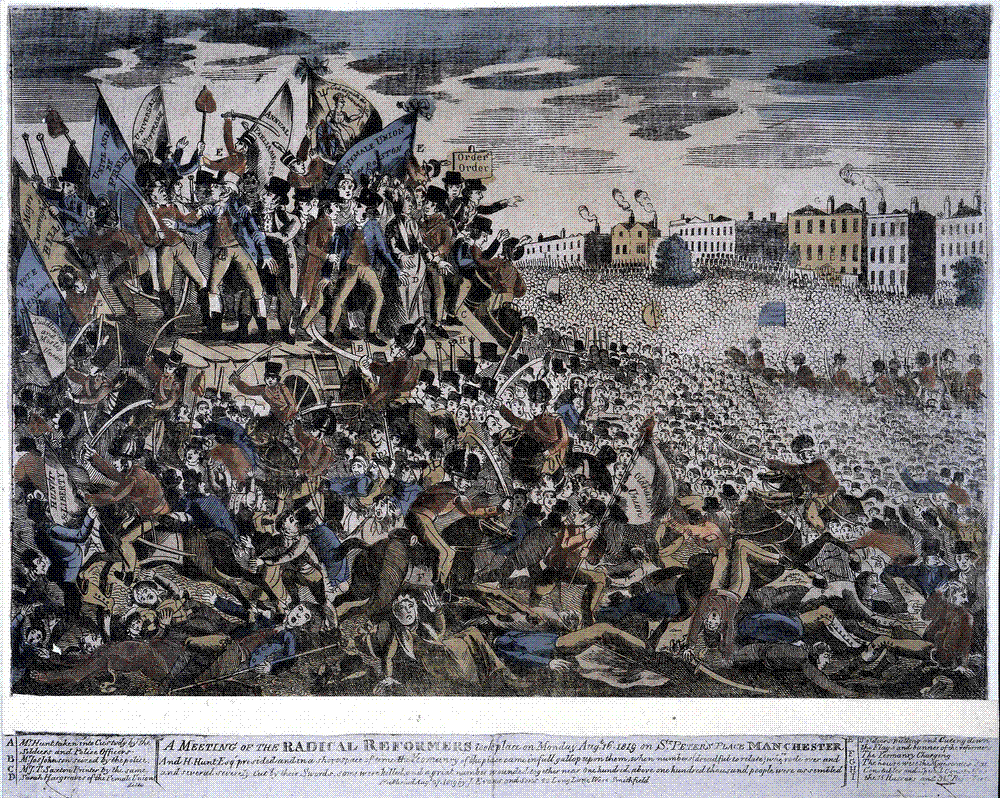
A contemporary print of the Peterloo massacre: cavalry riding into a crowd on St Peter's Field

Shelley writes 'The Masque of Anarchy' in 1819 after Peterloo, and it is not published for thirteen years

Rise like Lions after slumber In unvanquishable number
Percy Bysshe Shelley, The Masque of Anarchy, written 1819 after the Peterloo massacre, first published London, 1832. →
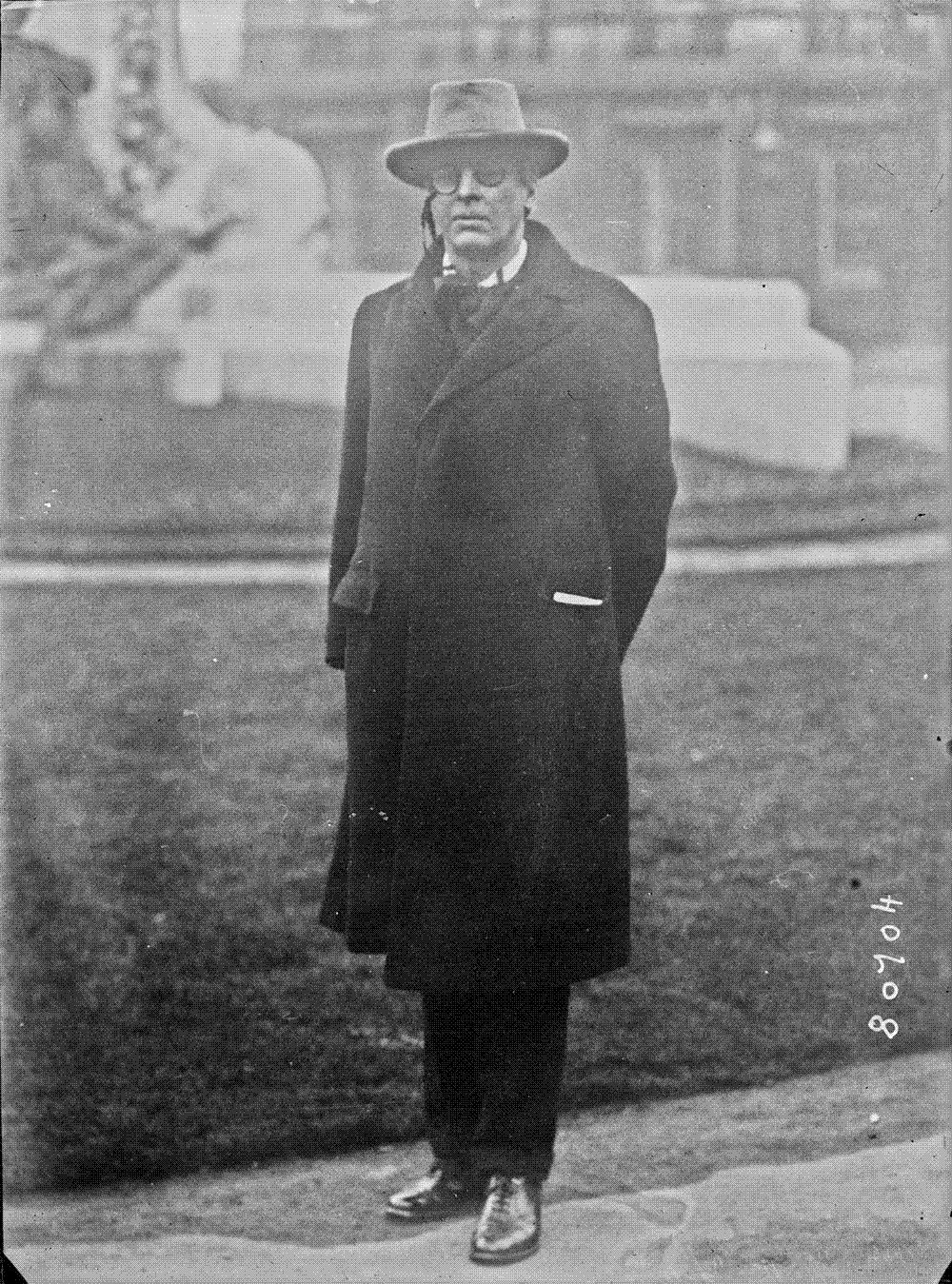
A photograph of the poet W. B. Yeats in spectacles, looking to one side

Yeats, in a poem about Dublin, works out what it costs to be changed by a political event

All changed, changed utterly: A terrible beauty is born.
W. B. Yeats, 'Easter, 1916', first printed privately 1916; in Michael Robartes and the Dancer (Dundrum: Cuala Press, 1921). →
The engraved title page of Handel's Messiah

Handel gives the first performance of 'Messiah' in Dublin in 1742, as a benefit

The premiere was a charity concert: the proceeds went to the relief of prisoners held for debt, and to Mercer's Hospital and the Charitable Infirmary. Seven hundred people crowded a room built for six hundred, ladies having been asked to come without hoops in their skirts and gentlemen without their swords, to make space. Handel had come to Dublin after a run of failures in London. The most performed choral work in the language began as a fundraiser with a capacity problem.
George Frideric Handel, Messiah, HWV 56, first performed at the New Musick Hall, Fishamble Street, Dublin, 13 April 1742. →
Käthe Kollwitz's woodcut 'The Volunteers' from her War cycle: figures swept forward behind a drummer

Käthe Kollwitz cuts the 'War' series in 1922–23 from the position of the people who are not consulted

Seven sheets, cut in stark black and white: 'The Sacrifice', 'The Volunteers', 'The Parents', 'The Widow', 'The Mothers'. Kollwitz's younger son Peter was killed in Flanders in October 1914, in the first months of the war, and she worked on the memorial and the prints for the rest of the decade. The figures have no uniforms, no nationality and no battlefield; the series takes as its subject the constituency of a war that is never asked and always pays.
Käthe Kollwitz, Krieg (War), portfolio of seven woodcuts, published Berlin, 1923. →