AI-generated
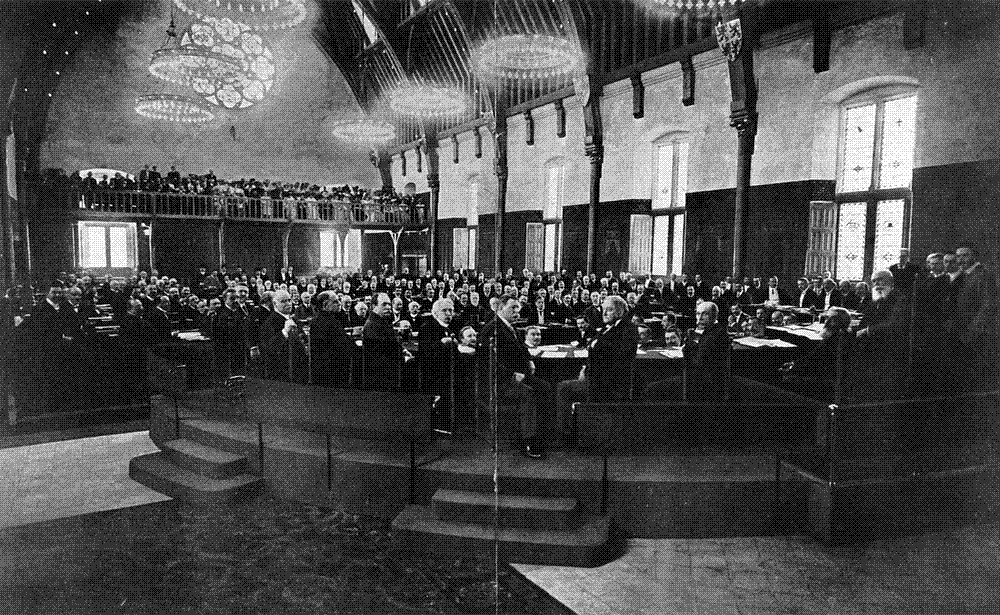
The Art Institute of Chicago returns a Metzinger to a Jewish collector's heirs as new laws bring a wave of Nazi-loot claims Jewish heirs filed two lawsuits in Los Angeles on 18 September seeking the return of artworks looted by the Nazis during the Second World War and now held by prominent museums — claims made possible by new California and federal restitution laws. The next day further legal fights emerged, including a claim involving the Auschwitz museum, part of a broader wave of litigation that has followed changes to the statutes governing looted-art cases. On 23 September the Art Institute of Chicago announced that it would return Jean Metzinger's 1913 painting Woman with a Fan to the descendants of the Jewish collector Emanuel Lewenstein, after provenance research established that the work had been looted. Analogies Article 56 of the Hague Convention of 1907 forbids the seizure of works of art in war and says it 'should be made the subject of legal proceedings' All seizure of, destruction or wilful damage done to institutions of this character, historic monuments, works of art and science, is forbidden, and should be made the subject of legal proceedings.
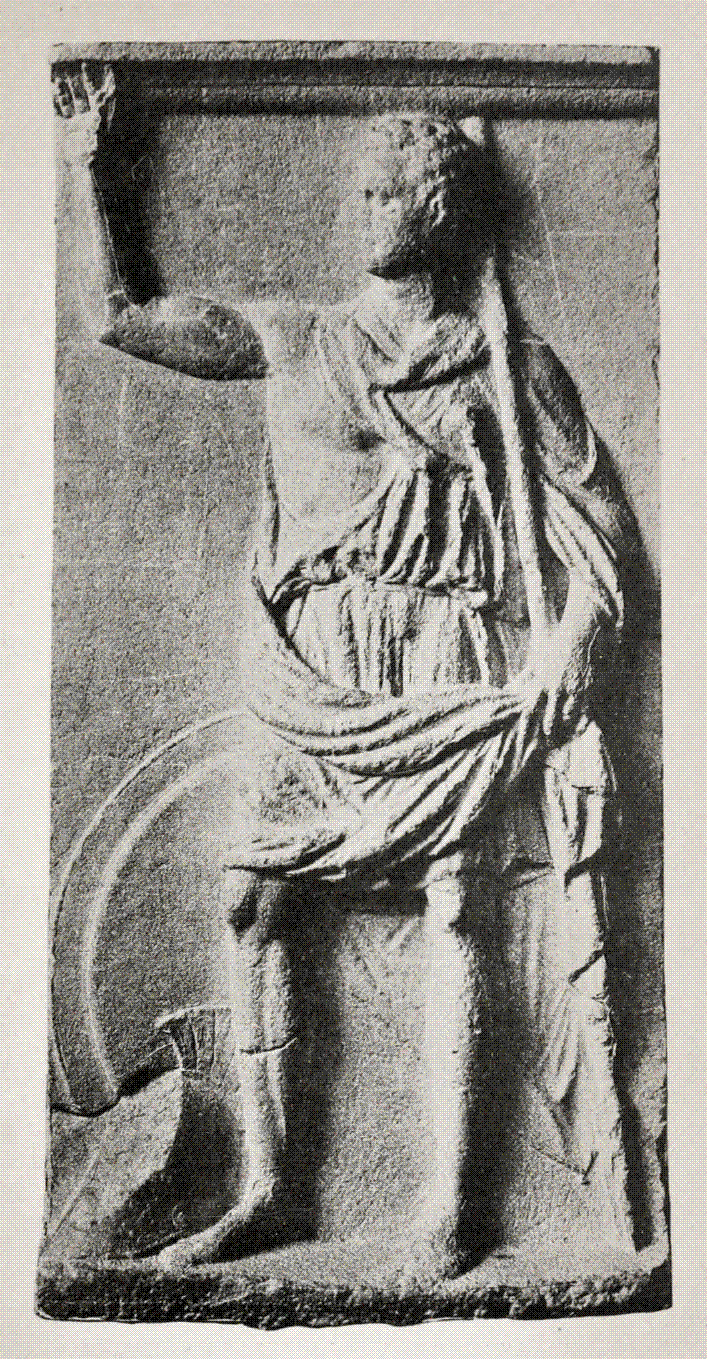
Convention (IV) respecting the Laws and Customs of War on Land and its annex: Regulations concerning the Laws and Customs of War on Land, The Hague, 18 October 1907, Annex, Article 56; text at the Avalon Project, Yale Law School. → Polybius, writing after Rome stripped Syracuse of its statues and paintings in 212 BC, warns conquerors that plunder is no honour But they might have left in their original sites things that had nothing to do with material wealth; and thus at the same time have avoided exciting jealousy, and raised the reputation of their country: adorning it, not with pictures and statues, but with dignity of character and greatness of soul. I have spoken thus much as a warning to those who take upon themselves to rule over others, that they may not imagine that, when they pillage cities, the misfortunes of others are an honour to their own country.
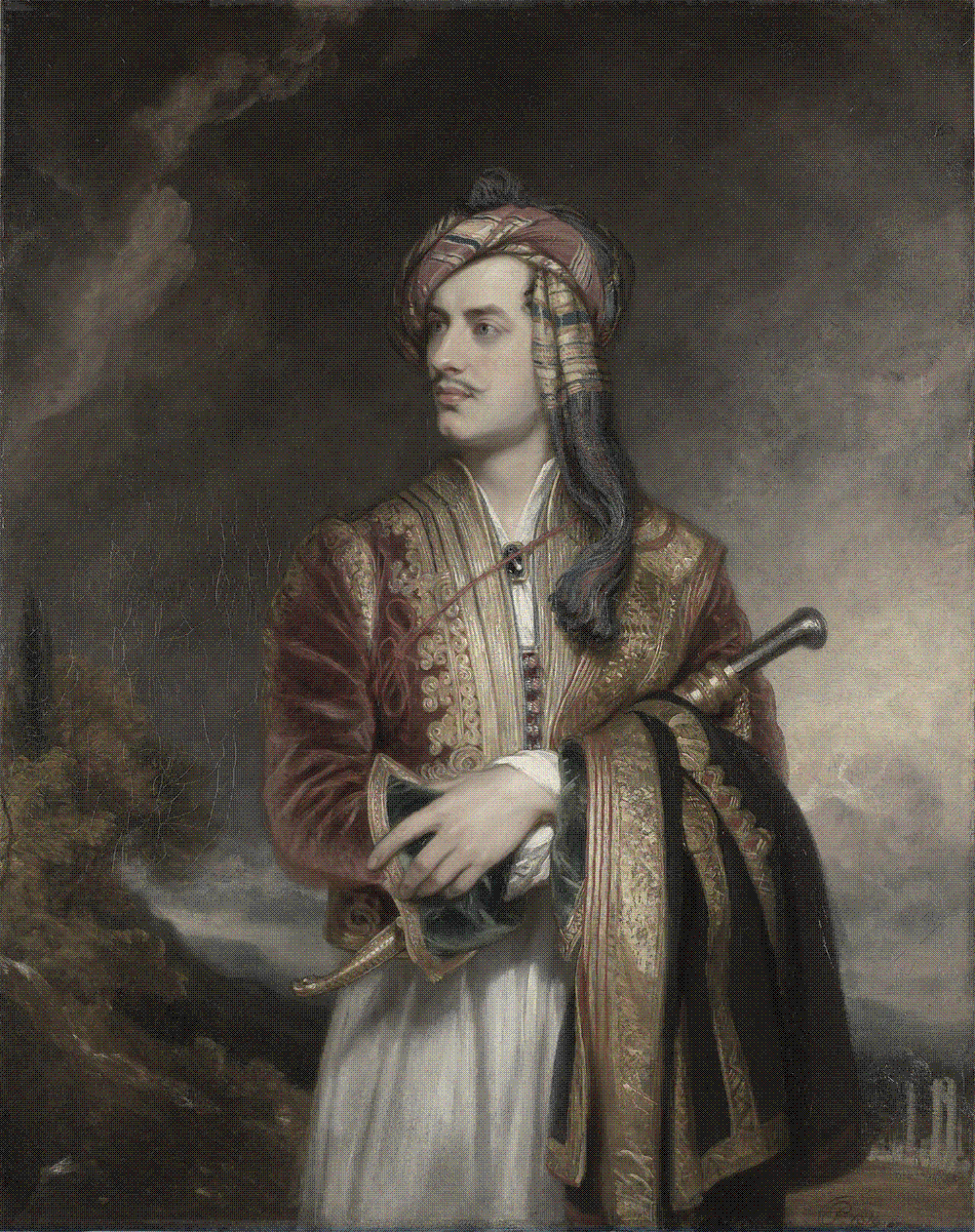
Polybius, Histories, 9.10, 'The Spoils of Syracuse', trans. Evelyn S. Shuckburgh, The Histories of Polybius, vol. 1 (London: Macmillan, 1889); Project Gutenberg ebook 44125. → Byron, in 'Childe Harold's Pilgrimage' (1812), curses the removal of the Parthenon marbles to London Cold is the heart, fair Greece, that looks on thee, / Nor feels as lovers o'er the dust they loved; / Dull is the eye that will not weep to see / Thy walls defaced, thy mouldering shrines removed / By British hands, which it had best behoved / To guard those relics ne'er to be restored. / Curst be the hour when from their isle they roved, / And once again thy hapless bosom gored, / And snatched thy shrinking gods to northern climes abhorred!
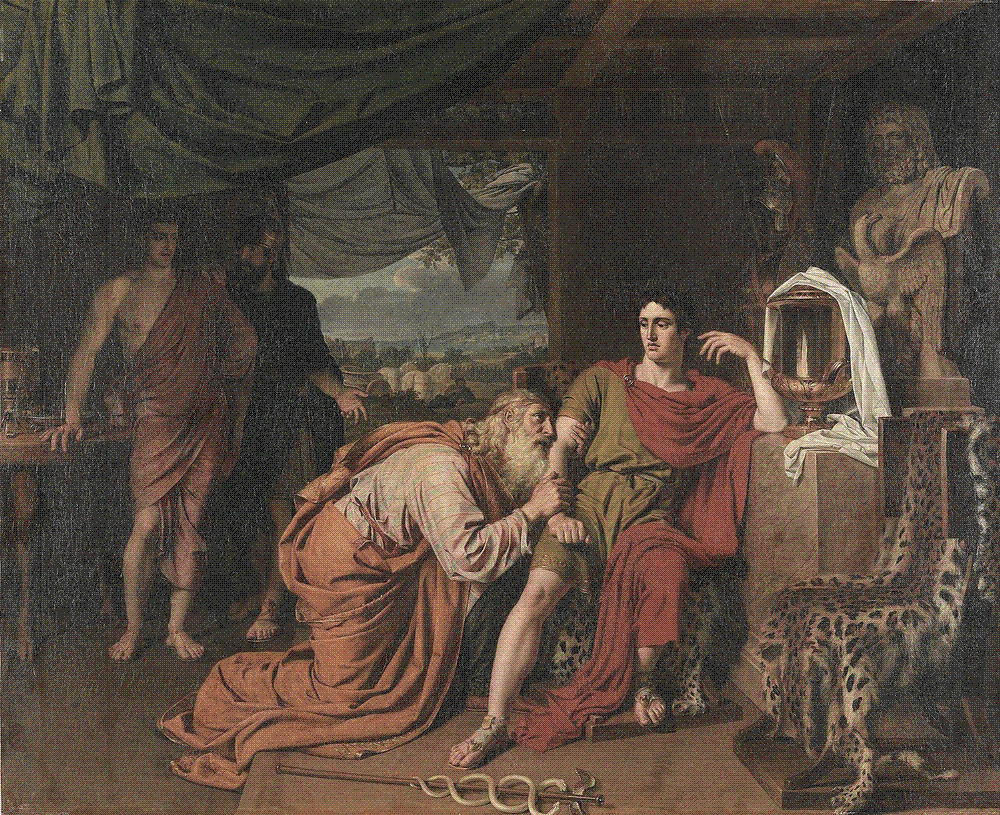
George Gordon, Lord Byron, Childe Harold's Pilgrimage, Canto II, stanza XV (London: John Murray, 1812); Project Gutenberg ebook 5131. → In Book XXIV of the 'Iliad', Priam goes in person to the man who holds what was taken from his family and asks for it back Fear, O Achilles, the wrath of heaven; think on your own father and have compassion upon me, who am the more pitiable, for I have steeled myself as no man yet has ever steeled himself before me, and have raised to my lips the hand of him who slew my son.
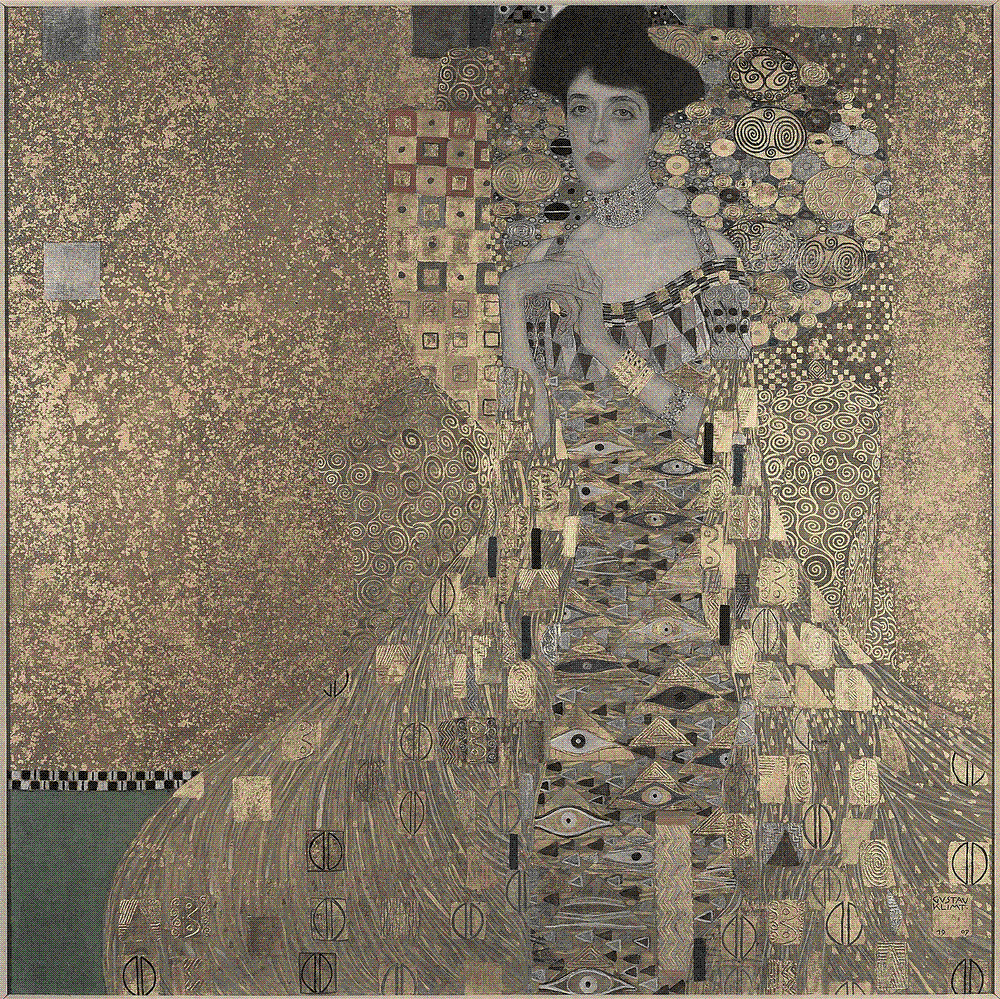
Homer, The Iliad, Book XXIV, trans. Samuel Butler (London: Longmans, Green and Co., 1898); Project Gutenberg ebook 2199. → Gustav Klimt's 'Portrait of Adele Bloch-Bauer I' (1907), seized in 1938 and returned to the family in 2006 Klimt's portrait of Adele Bloch-Bauer, finished in 1907, sets its sitter's face and hands in a field of gold leaf, eyes and spirals. After the Nazi annexation of Austria in 1938 the Bloch-Bauer collection was seized, and the painting spent six decades in Vienna's Belvedere. Adele's niece Maria Altmann sued the Republic of Austria; the US Supreme Court allowed the case to proceed in 2004, an arbitration panel ruled in her favour in 2006, and the painting left Austria that year. It is the case every later restitution claim is measured against.
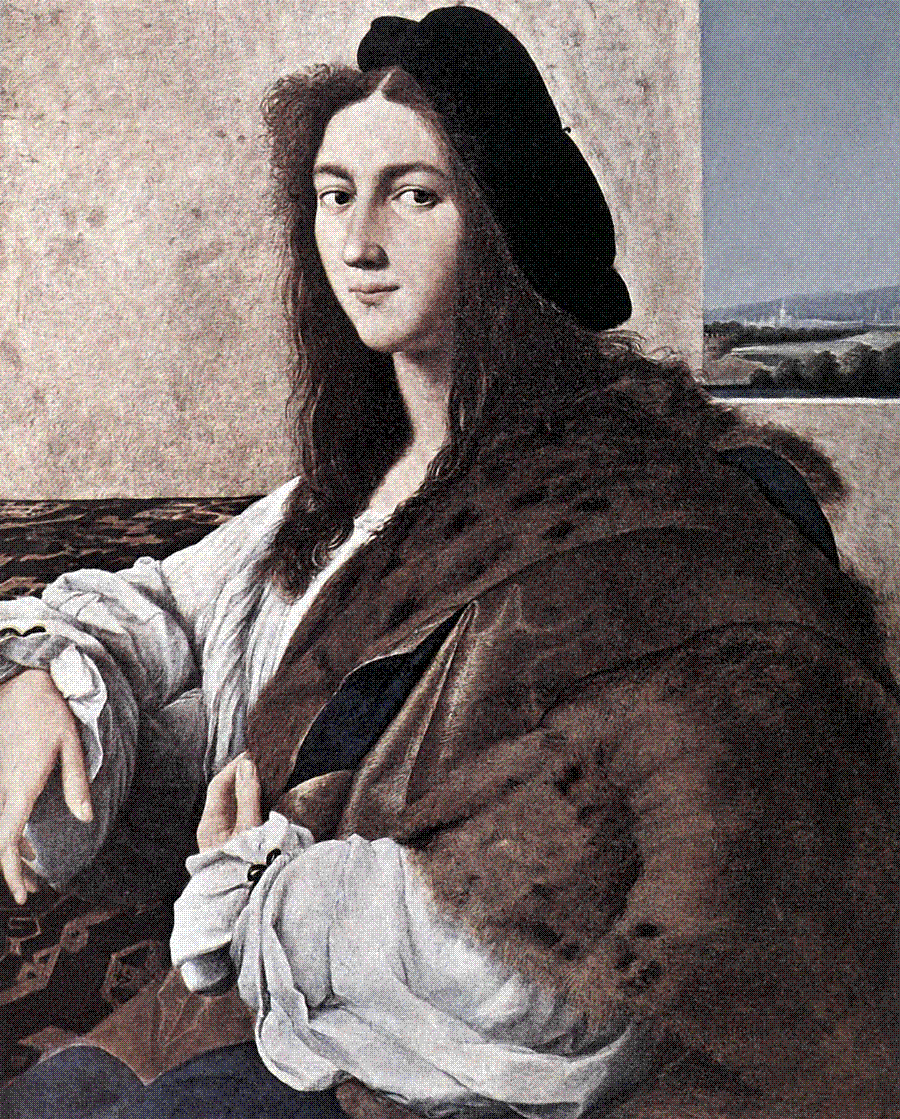
Gustav Klimt, Portrait of Adele Bloch-Bauer I, 1907, oil, silver and gold on canvas, 140 × 140 cm; Neue Galerie, New York. Restituted to Maria Altmann and other heirs in 2006 following Republic of Austria v. Altmann, 541 U.S. 677 (2004). → Raphael's 'Portrait of a Young Man' (c. 1513–14), seized from Kraków in 1939 and missing since 1945 A young man in a fur-trimmed cloak turns toward the viewer with an easy, knowing half-smile. The painting, by Raphael or his workshop around 1513–14, belonged to the Czartoryski family in Kraków. German forces seized it after the invasion of Poland in 1939, and it was taken to Wawel Castle by the Nazi governor Hans Frank; it has not been seen since January 1945. It is the most valuable painting still missing from the Second World War, and survives only in photographs.
Raphael, Portrait of a Young Man, c. 1513–14, oil on panel, 72 × 56 cm; formerly Czartoryski Museum, Kraków; lost since 1945. →