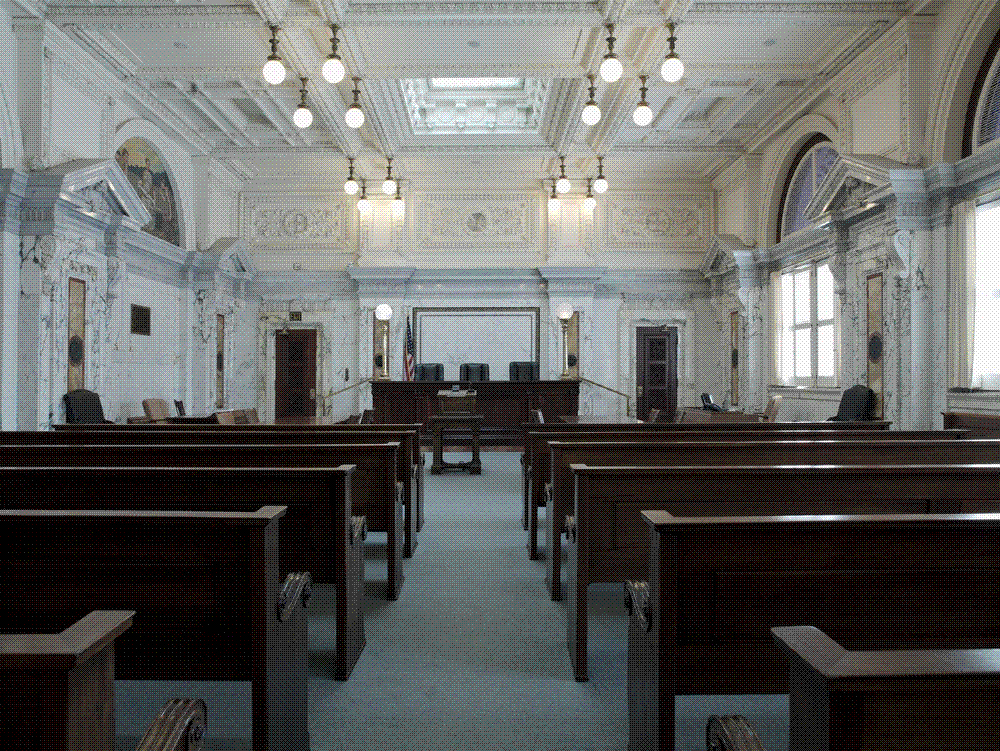
A courtroom in the James R. Browning US Court of Appeals Building in San Francisco, seat of the Ninth Circuit.

Carol M. Highsmith via Wikimedia Commons

TechnologyReuters · Bloomberg LawAug 4, 2026

A US appeals court lifts the ban on Perplexity's AI shopping agent using Amazon, the first appellate ruling on whether AI agents may act for their users

The Ninth Circuit in San Francisco overturned a preliminary injunction, holding that Amazon was unlikely to succeed on its claim that Perplexity's agents violated the federal Computer Fraud and Abuse Act. The court reasoned that the tool itself does not access Amazon's computers - the users do, with the agent's help. Amazon sued in November, accusing Perplexity of covertly reaching into customer accounts through its Comet browser to place orders on their behalf.
Analogies

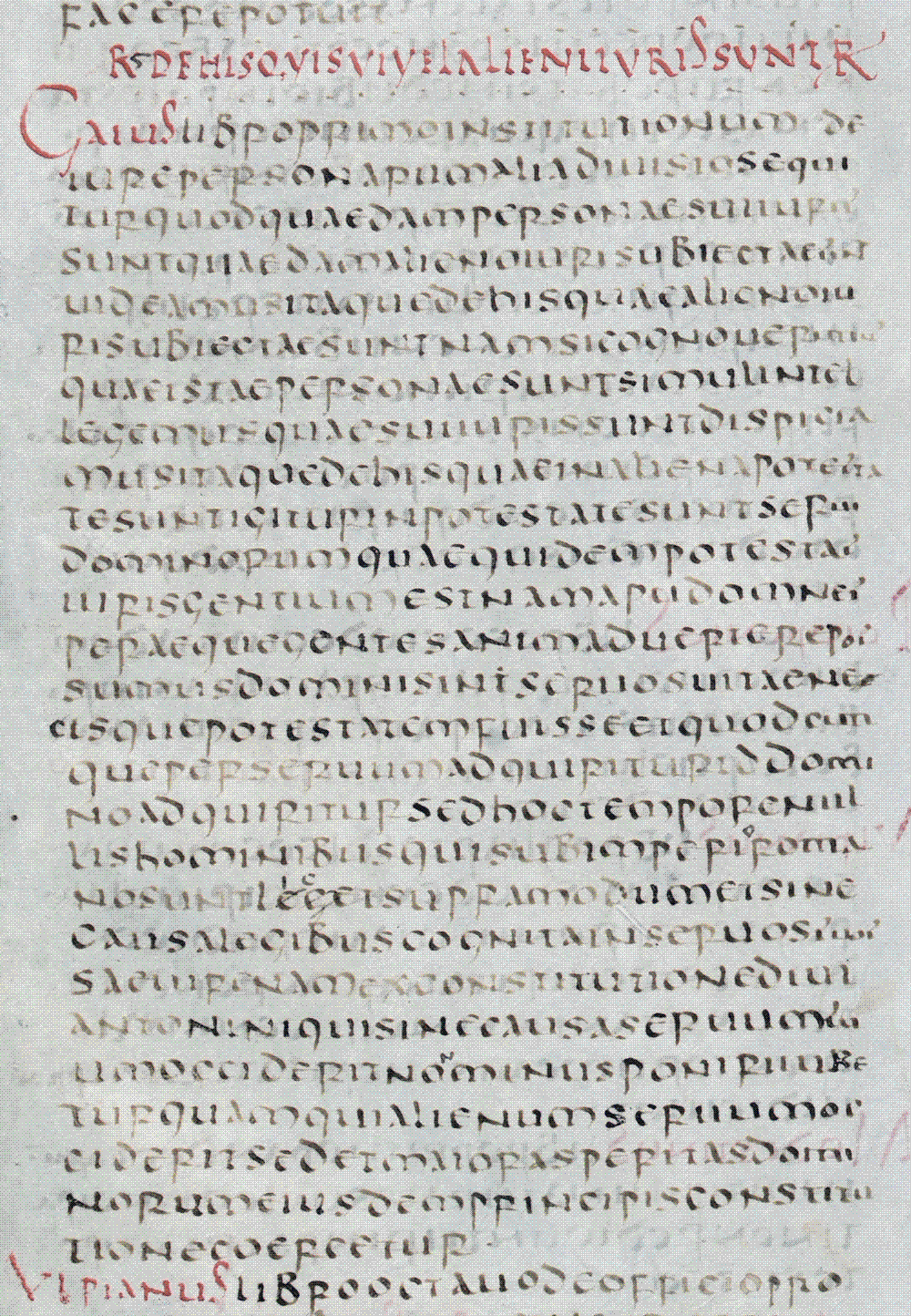
Folio 27r of the Littera Florentina, the sixth-century manuscript of Justinian's Digest held in the Biblioteca Medicea Laurenziana, Florence, its columns of Roman legal text written in uncial script

Roman praetors give the shop manager power to bind the man who set him up in business: the actio institoria, as codified in Justinian's Institutes of AD 533

On the same principle the praetor grants two other actions, in which the whole amount due may be sued for; that called exercitoria, to recover the debt of a shipmaster, and that called institoria, to recover the debt of a manager or factor. The former lies against a master who has appointed a slave to be captain of a ship, to recover a debt incurred by the slave in his character of captain, and it is called exercitoria, because the person to whom the daily profits of a ship belong is termed an exercitor. The latter lies against a man who has appointed a slave to manage a shop or business, to recover any debt incurred in that business; it is called institoria, because a person appointed to manage a business is termed an institor.
Justinian, Institutes, Book IV, Title VII ("Of Contracts Made with Persons in Power"), section 2, translated by J. B. Moyle, 5th edition (Oxford: Clarendon Press, 1913); Project Gutenberg ebook no. 5983.
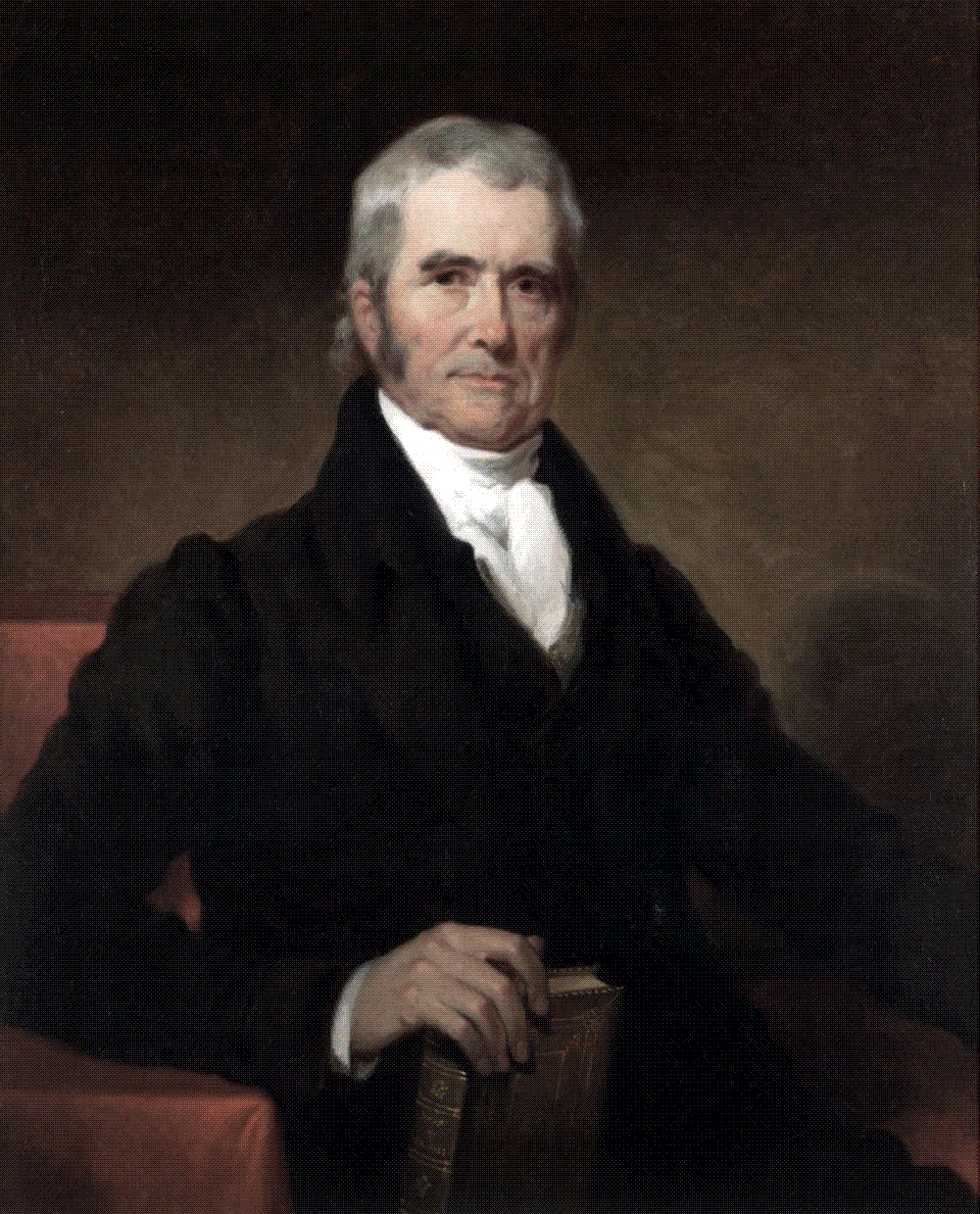
Portrait of Chief Justice John Marshall in his judicial robes, painted by Henry Inman in 1832

The US Supreme Court names an actor nobody can see or touch: Chief Justice Marshall's opinion in Trustees of Dartmouth College v. Woodward, 2 February 1819

A corporation is an artificial being, invisible, intangible, and existing only in contemplation of law. Being the mere creature of law, it possesses only those properties which the charter of its creation confers upon it, either expressly, or as incidental to its very existence. These are such as are supposed best calculated to effect the object for which it was created. Among the most important are immortality, and, if the expression may be allowed, individuality; properties, by which a perpetual succession of many persons are considered as the same, and may act as a single individual.
Chief Justice John Marshall, opinion of the Court, Trustees of Dartmouth College v. Woodward, 17 U.S. (4 Wheat.) 518 (1819); transcription of the United States Reports at Wikisource.
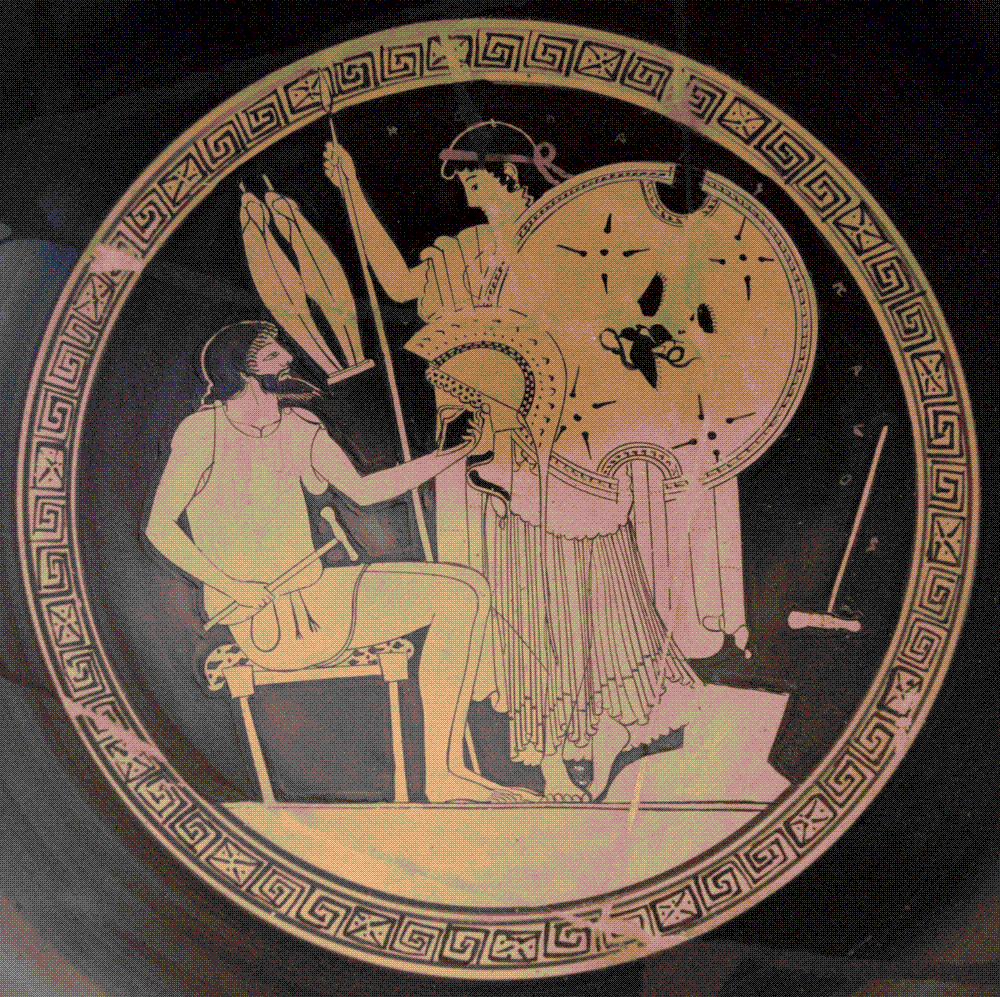
Attic red-figure kylix by the Foundry Painter, about 490-480 BC, showing Hephaestus handing the newly made armour of Achilles to Thetis; Antikensammlung, Berlin, F 2294

Hephaestus is carried about his house by golden handmaidens that think, speak and work for him, in Book 18 of Homer's Iliad

but there moved swiftly to support their lord handmaidens wrought of gold in the semblance of living maids. In them is understanding in their hearts, and in them speech and strength, and they know cunning handiwork by gift of the immortal gods.
Homer, Iliad 18.417-420, translated by A. T. Murray, Loeb Classical Library (Cambridge, MA: Harvard University Press; London: William Heinemann, 1924); Perseus Digital Library, Tufts University.
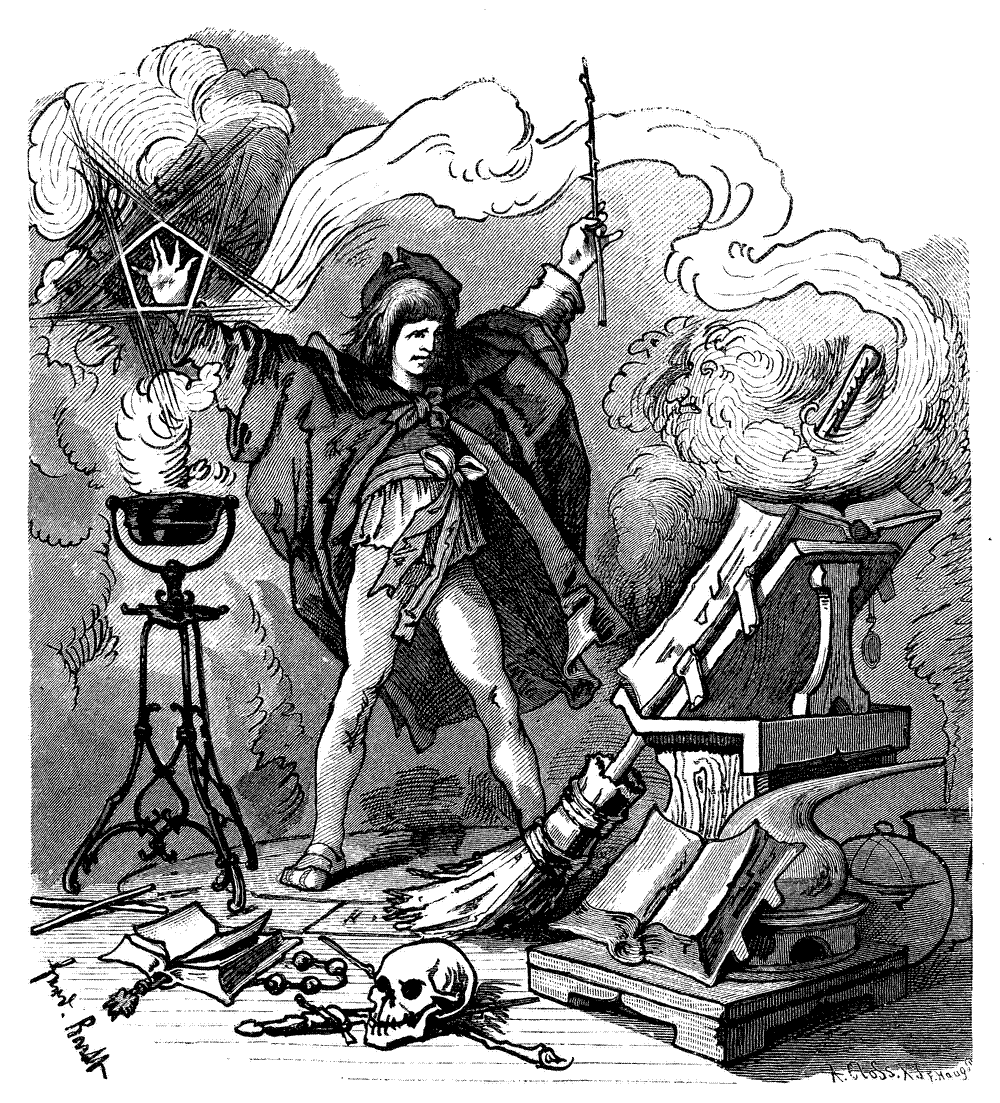
Ferdinand Barth's 1882 illustration to Goethe's Der Zauberlehrling, showing the apprentice recoiling as the animated broom carries pails of water through the flooded hall

Goethe's apprentice sends a broom to fetch water in his master's name and cannot call it back, in the ballad of 1797

And they run! and wetter still / Grow the steps and grows the hall. / Lord and master, hear me call! / Ever seems the flood to fill, / Ah, he's coming! see, / Great is my dismay! / Spirits raised by me / Vainly would I lay! / "To the side / Of the room / Hasten, broom, / As of old! / Spirits I have ne'er untied / Save to act as they are told."
Johann Wolfgang von Goethe, "The Pupil in Magic" ("Der Zauberlehrling", 1797), closing stanzas, in the nineteenth-century English verse translation printed in The Works of J. W. von Goethe, vol. 9 (Poems of Goethe); Wikisource.
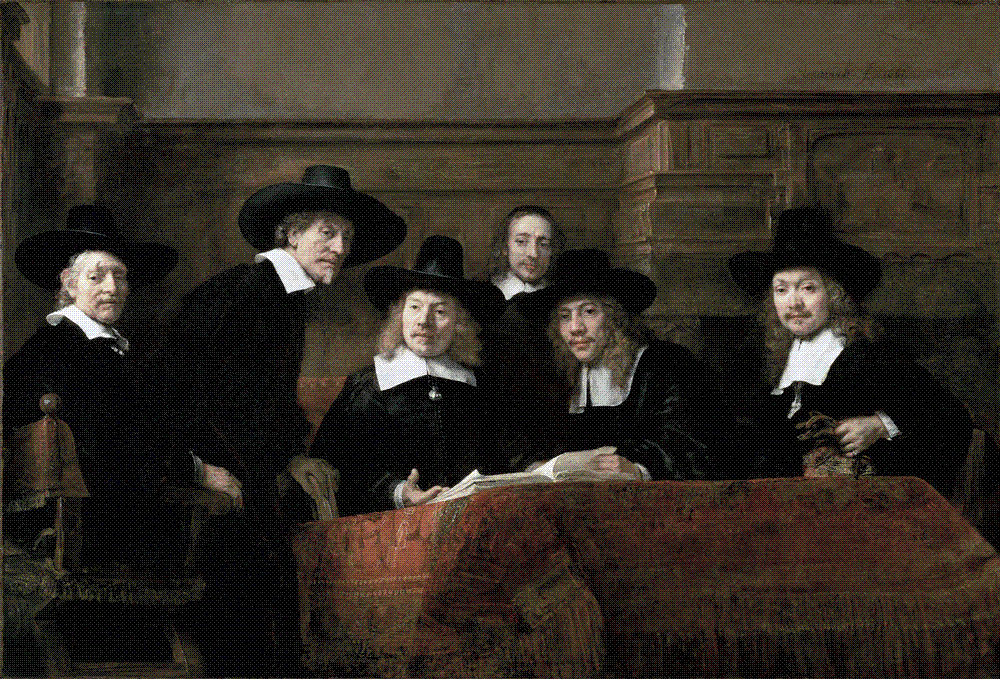
Rembrandt's 1662 group portrait The Syndics: five drapers' guild officials in black hats behind a carpet-covered table with an open ledger, looking out at the viewer, with a bare-headed servant behind them

Rembrandt paints the five men licensed to inspect and stamp cloth in the guild's name, 1662

Five sampling officials of the Amsterdam drapers' guild sit behind a table spread with a red carpet, an open ledger before them, the servant standing bare-headed at the back. They are the guild's deputies: their seal on a bale of cloth bound every buyer and seller in the trade, and no draper could sell without their say-so. Rembrandt catches them looking up from the book as though someone had just walked in and challenged them, one man half-risen from his chair, as if the question were by whose authority they act.
Rembrandt van Rijn, The Sampling Officials of the Amsterdam Drapers' Guild, Known as 'The Syndics' (De Staalmeesters), 1662, oil on canvas, 191.5 x 279 cm, object no. SK-C-6, Rijksmuseum, Amsterdam (on loan from the City of Amsterdam).

Offenbach writes an aria for a wind-up doll passed off as a man's daughter: the 'Couplets de l'automate' in Les contes d'Hoffmann, premiered at the Opera-Comique in Paris on 10 February 1881

Spalanzani presents the mechanical Olympia to his guests as his daughter, and she sings for them; the score labels the number the couplets of the automaton. Twice the voice winds down mid-phrase and has to be cranked back up before it can climb again into its coloratura, and the party applauds anyway. Only Hoffmann, who has fallen in love with her, cannot tell that the thing curtseying in front of him is a machine acting out someone else's design.
Jacques Offenbach, Les contes d'Hoffmann (libretto by Jules Barbier), No. 9, Couplets de l'automate: 'Les oiseaux dans la charmille' (Act II), completed by Ernest Guiraud; vocal score, piano reduction by Auguste Bazille, first edition, Paris: Choudens pere et fils, [1881], plate A.C. 5100; IMSLP / Petrucci Music Library.