An empty sound stage with bare grey walls, a rolled backdrop against one wall and unlit lamps stacked in a corner

AI-generated

EconomyBBC · Reuters · APSep 22, 2026

Paramount settles with the states and clears the last obstacle to buying Warner Bros

The deal that consolidates two of the surviving Hollywood studios cleared its final legal hurdle this week. Paramount settled lawsuits brought by California and other states, and by unions, over its acquisition of Warner Bros — reported at between $81bn and $110bn depending on how the debt is counted — and agreed as part of the settlement to produce thirty films a year or face forced divestitures. Critics in California said the state had extracted too little for allowing the combination, with reports that the attorney general had discussed a $1.5bn investment commitment as part of the talks. By Tuesday the settlements were signed and the takeover was effectively complete. The thirty-film undertaking is the interesting clause: an antitrust settlement that does not try to prevent concentration but instead specifies a minimum quantity of culture the merged company must produce, and treats the alternative — fewer, larger, safer films — as the harm worth guarding against.
Analogies

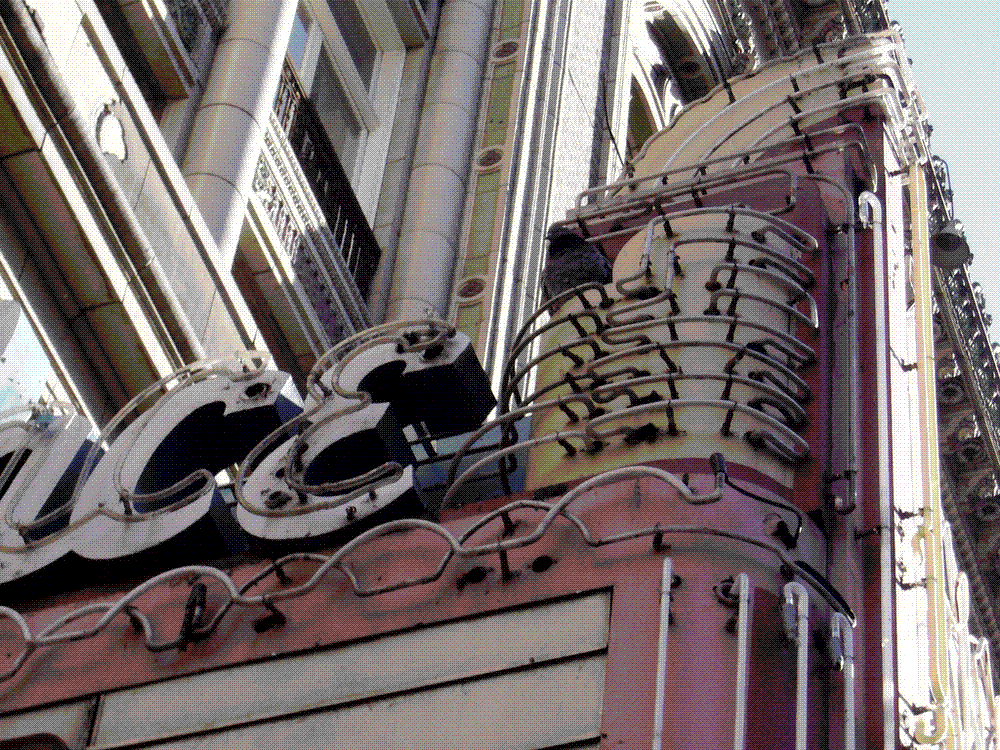
The illuminated marquee of a historic American movie palace

1948: the Supreme Court breaks the studios apart in a case brought against this same company

It is clear, so far as the five majors are concerned, that the aim of the conspiracy was exclusionary, i.e. it was designed to strengthen their hold on the exhibition field.
United States v. Paramount Pictures, Inc., 334 U.S. 131 (1948), opinion of the Court delivered by Justice William O. Douglas. →
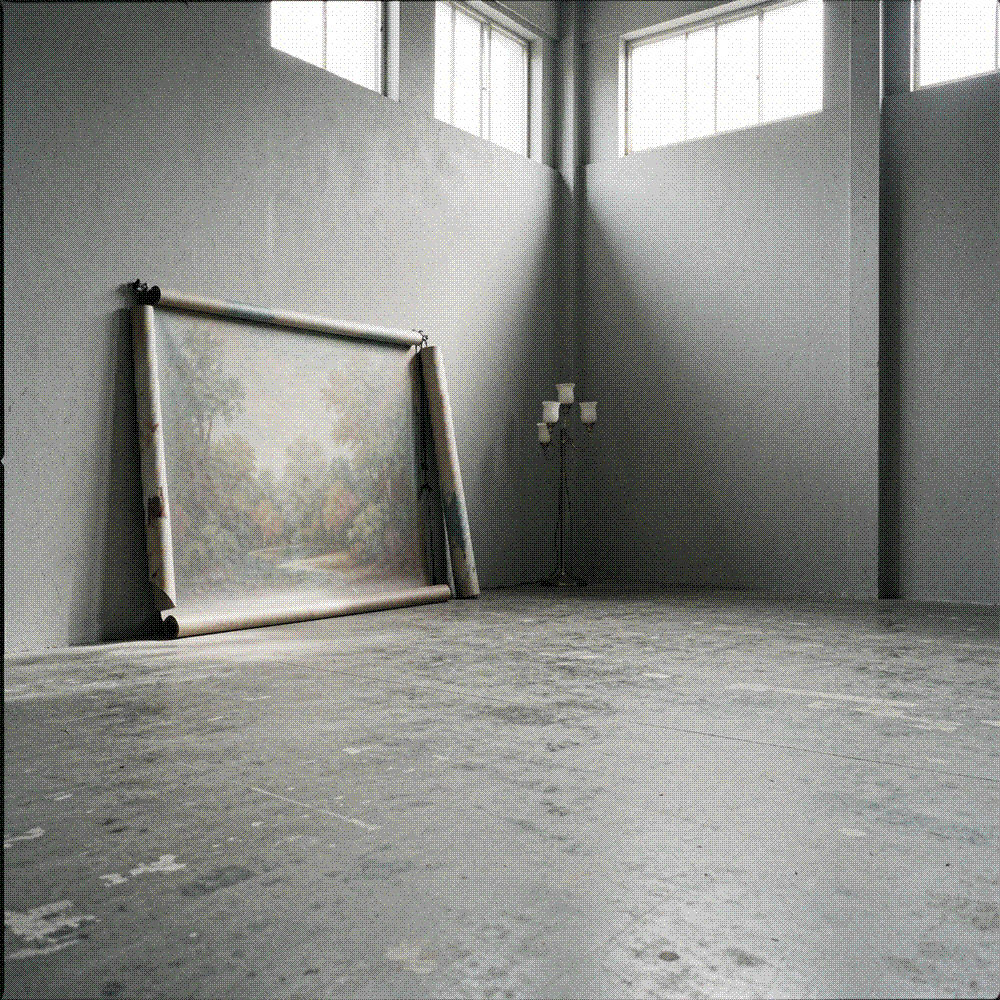
The 1904 cartoon showing Standard Oil as an octopus with tentacles around a capitol building

1911: the court dissolves Standard Oil and invents the test that every merger since has been argued under

the dread of enhancement of prices and of other wrongs which it was thought would flow from the undue limitation on competitive conditions
Standard Oil Co. of New Jersey v. United States, 221 U.S. 1 (1911), opinion of the Court delivered by Chief Justice Edward Douglass White. →
The Southern Pacific Railroad depot at St Helena, California

Norris's 'The Octopus' (1901) watches a Californian industry discover it is dealing with a system, not a man

Blame conditions, not men.
Frank Norris, The Octopus: A Story of California, book II, ch. V (New York: Doubleday, Page & Co., 1901); Project Gutenberg ebook 268. →
Photograph of the writer Upton Sinclair in a suit and tie

Upton Sinclair, in 1919, argues that the ownership of the channel decides what comes through it

Journalism is one of the devices whereby industrial autocracy keeps its control over political democracy
Upton Sinclair, The Brass Check: A Study of American Journalism (Pasadena: published by the author, 1919); Project Gutenberg ebook 64657. →

The Lumières show a train arriving at La Ciotat in 1896, and the business begins

A single fixed camera set at an angle on a platform; a train comes in from the far distance and fills the frame; passengers get down and walk past the lens, some of them looking into it. There is no cut. The Lumières made hundreds of these one-shot views and sent operators around the world to film more, and within fifteen years the fixed camera and the fifty seconds had been replaced by an industry with studios, stars and distribution contracts.
Auguste and Louis Lumière, L'Arrivée d'un train en gare de La Ciotat, 50-second film, first projected 1896. →
The famous image from Méliès's A Trip to the Moon: a capsule lodged in the eye of the Man in the Moon

Méliès makes 'Le Voyage dans la Lune' in 1902, and is ruined by the distribution system that followed

Méliès built the sets, designed the costumes, played the lead, and hand-coloured prints frame by frame; the shell hitting the Man in the Moon in the eye is the most reproduced image in early cinema. American distributors duplicated the film without paying him. He went bankrupt within fifteen years, sold his negatives to be melted down for celluloid heels, and was found in the 1920s selling toys and sweets from a kiosk at the Gare Montparnasse.
Georges Méliès, Le Voyage dans la Lune (A Trip to the Moon), Star Film, Paris, 1902. →