BBC
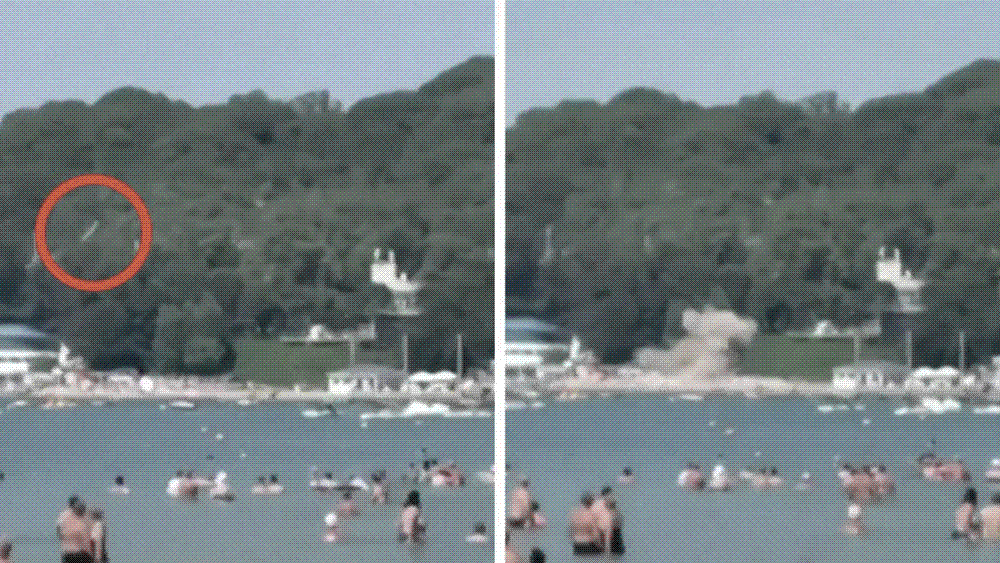
Russia says a Ukrainian drone struck a crowded Black Sea beach resort, killing seven, including three children Russian officials said a Ukrainian drone crashed onto a crowded beach near the Black Sea resort area of Gelendzhik, killing seven people, three of them children, and wounding about 40. Local authorities said an air-raid warning failed to sound in time. Ukraine did not immediately comment as long-range drone attacks intensified on both sides of the war. Analogies The Massacre at Mycalessus (413 BC) The Thracians bursting into Mycalessus sacked the houses and temples, and butchered the inhabitants, sparing neither youth nor age, but killing all they fell in with, one after the other, children and women, and even beasts of burden, and whatever other living creatures they saw... In particular they attacked a boys' school, the largest that there was in the place, into which the children had just gone, and massacred them all.
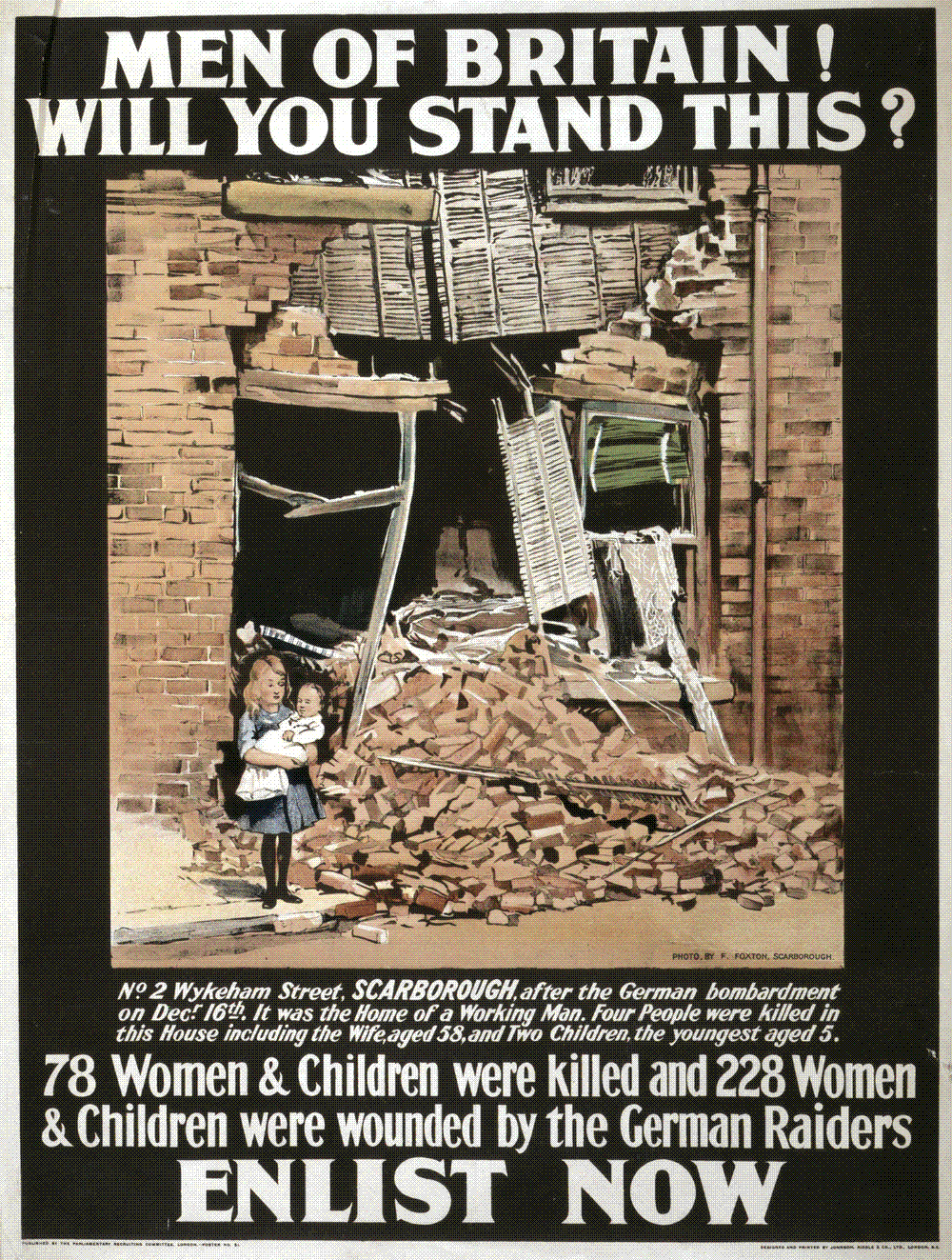
Thucydides, History of the Peloponnesian War, Book VII (trans. Richard Crawley, 1874), Wikisource → The Bombardment of Scarborough (16 December 1914) On a December morning the German battlecruisers Derfflinger and Von der Tann appeared out of the mist off the Yorkshire coast and rained some 500 shells on the undefended seaside resort of Scarborough, striking the Grand Hotel, homes and churches. For the first time in the war, death fell suddenly on British civilians going about their ordinary lives, killing seventeen townspeople, among them children and a fourteen-month-old baby. The shock that a place of holidays and promenades could become a killing ground turned 'Remember Scarborough!' into a national cry of outrage.
Historic England, 'Scarborough Bombardment 1914' (First World War Home Front research) → Dover Beach Ah, love, let us be true
To one another! for the world, which seems
To lie before us like a land of dreams,
So various, so beautiful, so new,
Hath really neither joy, nor love, nor light,
Nor certitude, nor peace, nor help for pain;
And we are here as on a darkling plain
Swept with confused alarms of struggle and flight,
Where ignorant armies clash by night.
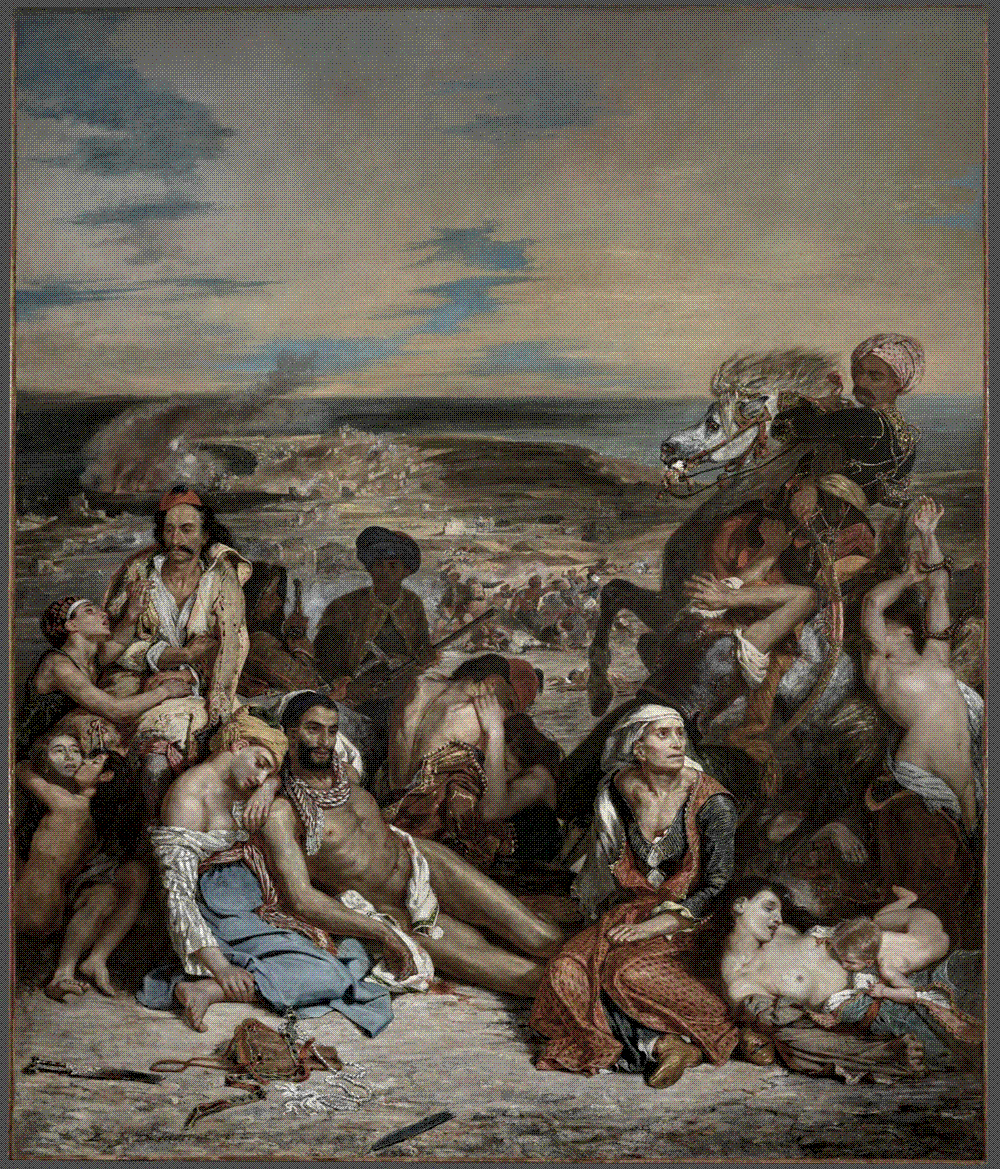
Matthew Arnold, 'Dover Beach' (1867), Wikisource → L'Enfant (The Child of Chios) Les Turcs ont passé là. Tout est ruine et deuil.
Chio, l'île des vins, n'est plus qu'un sombre écueil,
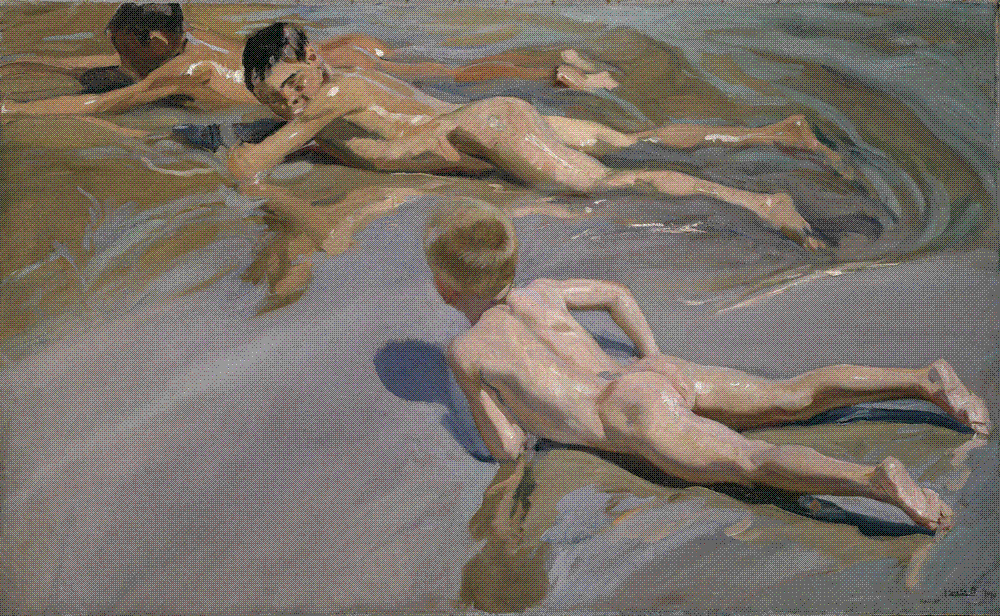
Victor Hugo, Les Orientales, 'L'Enfant' (1829), Wikisource → Boys on the Beach (Chicos en la playa) Three naked boys lie sprawled at the water's edge in the shimmering Mediterranean light, their bodies half-dissolved in the wet reflections of the sand. Sorolla's canvas is the pure image of the summer shore as a place of safety, play, and idle happiness, children entrusting themselves entirely to the sea. Set beside the news, its radiant calm becomes unbearable: this is exactly the world a strike on a crowded beach annihilates.
Joaquín Sorolla, oil on canvas, 1910, Museo Nacional del Prado, Madrid → The Massacre of the Innocents Bruegel transplants the biblical slaughter of the innocents into a snowbound Flemish village, where armored soldiers ride into an ordinary community and tear children from screaming, pleading parents. The horror is set amid the mundane textures of daily life, houses, a frozen pond, everyday clothes, making the intrusion of organized violence into a place of peace all the more devastating. It remains the West's defining image of war descending on children who have done nothing.
Pieter Bruegel the Elder, oil on panel, c. 1565–67, Royal Collection (via Wikimedia Commons) →