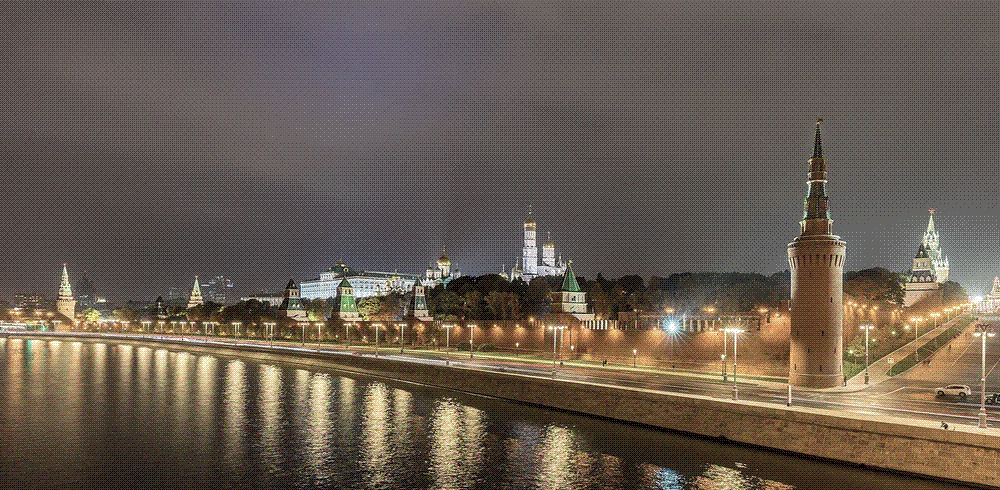
The red-brick walls and towers of the Moscow Kremlin, with the golden domes of its cathedrals, seen across the Moskva River.

Diego Delso / Wikimedia Commons, CC BY-SA 4.0

PoliticsReuters · BBC · APSep 24, 2026

Russia's ruling party takes a record 355 seats in a wartime election as Ukraine sends more than 1,000 drones over the voting weekend

Russia opened three days of parliamentary voting on 18 September in an election Vladimir Putin framed as a referendum on support for the war in Ukraine, and he accused Kyiv of interfering. Ballots were cast in annexed Ukrainian territory, prompting a diplomatic row with Moldova over voting in a separatist region; there were reports of cyberattacks on the electoral system, and an opposition party said an election observer lost consciousness while being arrested by police. Over the voting weekend Ukraine fired more than 1,000 drones at Russia in a single night, in the largest attack on the Russian capital of the war: Moscow's mayor said about 450 aimed at the city were shot down, two people were killed and a refinery in the capital was hit. Russia answered with strikes on Zaporizhzhia. Near-complete results gave the Kremlin-backed United Russia more than 57% of the vote and a record 355 seats, with an anti-war party winning only a small regional foothold. Russian exiles cast ballots abroad as a protest, and analysts said Putin would present the result as a mandate for the war.
Analogies

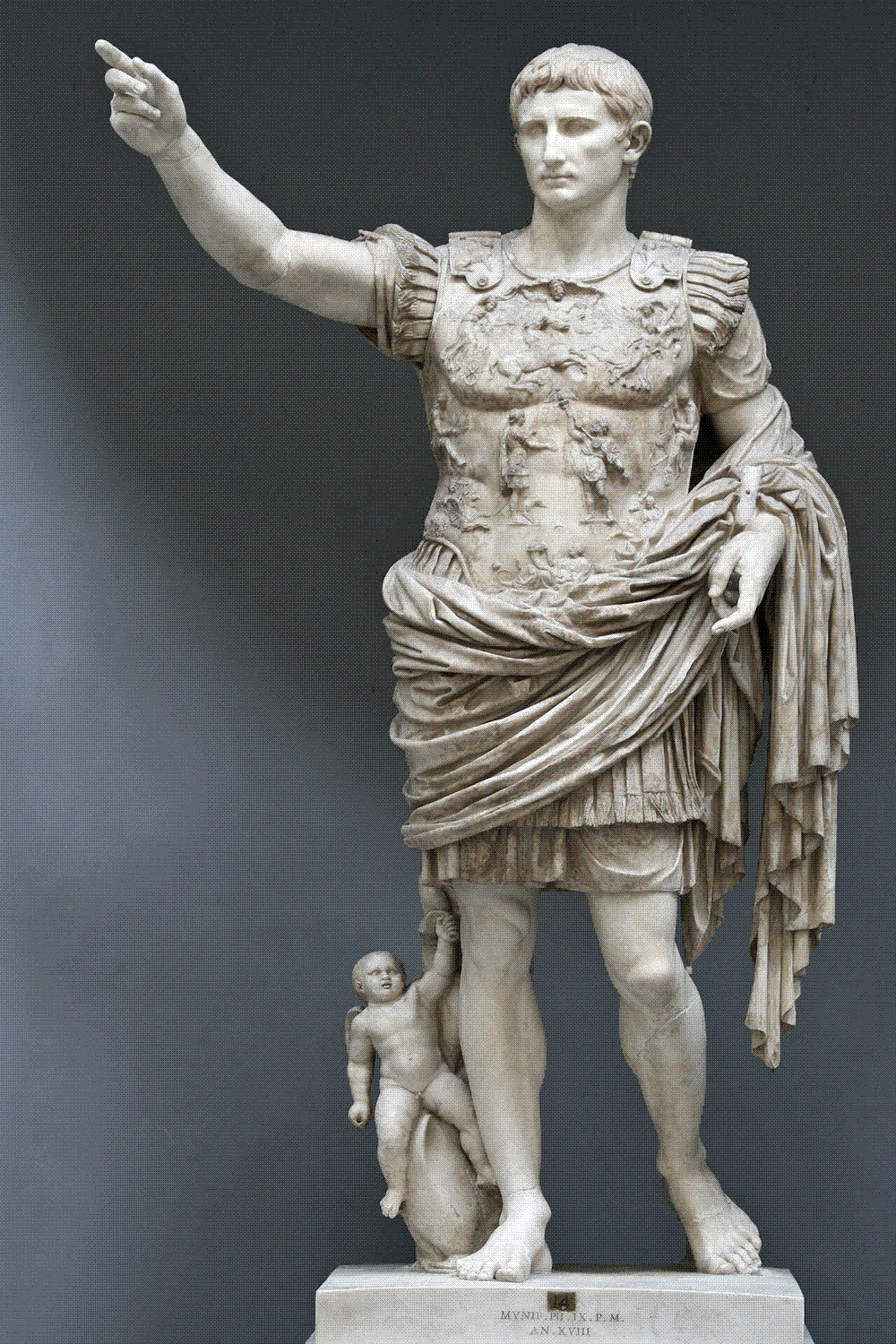
The marble Augustus of Prima Porta: the emperor in armour, right arm raised in address

Tacitus, opening the 'Annals', describes how Augustus kept the forms of the Roman republic while emptying them of choice

Augustus won over the soldiers with gifts, the populace with cheap corn, and all men with the sweets of repose, and so grew greater by degrees, while he concentrated in himself the functions of the Senate, the magistrates, and the laws. He was wholly unopposed, for the boldest spirits had fallen in battle, or in the proscription, while the remaining nobles, the readier they were to be slaves, were raised the higher by wealth and promotion, so that, aggrandised by revolution, they preferred the safety of the present to the dangerous past.
Tacitus, Annals, 1.2, trans. Alfred John Church and William Jackson Brodribb (London: Macmillan, 1876); Wikisource. →

Suetonius records how Augustus went through the motions of an election — canvassing the tribes for his own nominees

Whenever he attended at the election of magistrates, he went round the tribes, with the candidates of his nomination, and begged the votes of the people in the usual manner. He likewise gave his own vote in his tribe, as one of the people.
Suetonius, The Lives of the Twelve Caesars, 'Augustus', ch. 56, trans. Alexander Thomson, revised by T. Forester (London: George Bell & Sons, 1890); Project Gutenberg ebook 6400. →
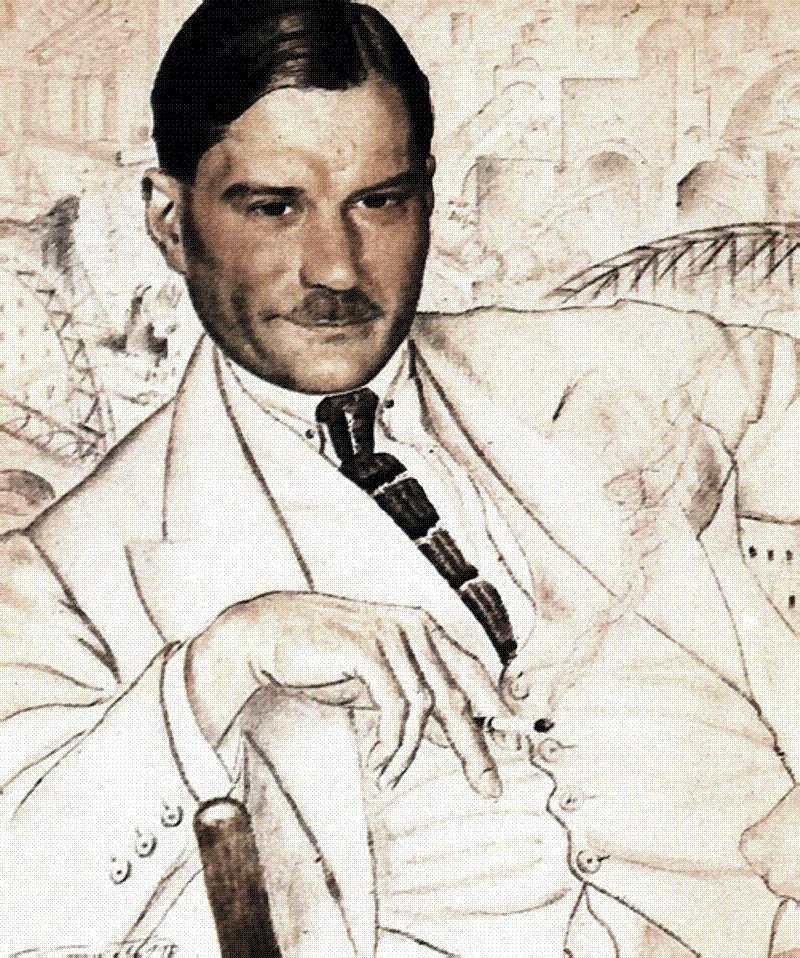
Boris Kustodiev's 1923 portrait of Yevgeny Zamyatin, seated in a dark suit, looking at the viewer

In Yevgeny Zamyatin's 'We', written in 1920–21, the state newspaper reports the Day of Unanimity — and the handful of votes against

The celebration of the Day of Unanimity, long awaited by all, took place yesterday. The same Well-Doer who so often proved his unshakeable wisdom, was unanimously re-elected for the forty-eighth time. The celebration was clouded by a little confusion, created by the enemies of happiness, who by their action naturally lost the right to be the bricks for the foundation of the renovated United State. It is clear to everybody that to take into consideration their votes would mean to consider as a part of a magnificent, heroic symphony the accidental cough of a sick person who happened to be in a concert hall.
Yevgeny Zamyatin, We, trans. Gregory Zilboorg (New York: E. P. Dutton, 1924); Project Gutenberg ebook 61963. →
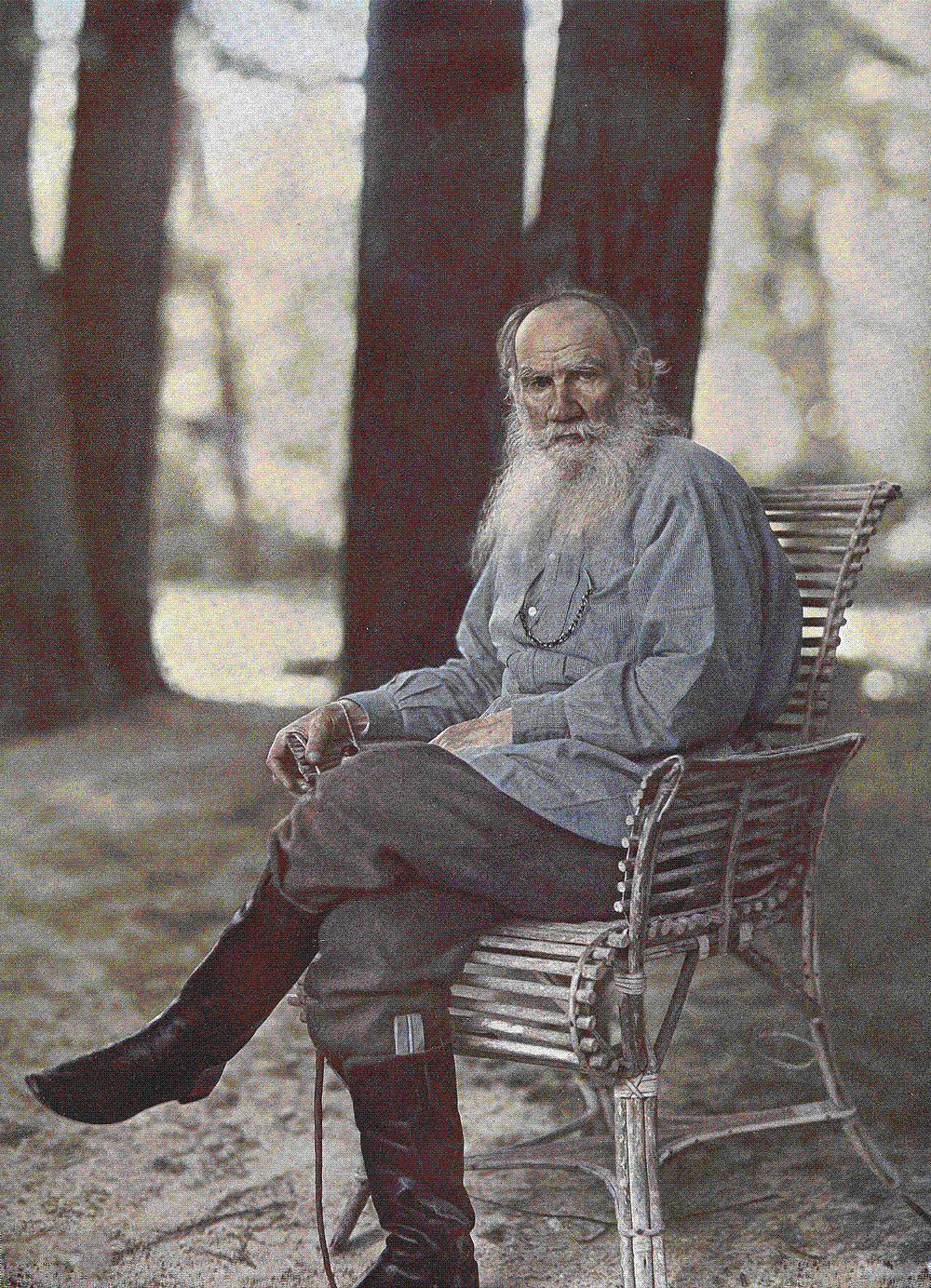
Colour photograph of Leo Tolstoy in 1908 by Sergei Prokudin-Gorsky: white-bearded, in a grey smock, seated among trees

Tolstoy, in 'War and Peace', refuses to blame anyone for the burning of Moscow in 1812: a wooden city under a rain of sparks was always going to burn

Moscow was burned because it found itself in a position in which any town built of wood was bound to burn, quite apart from whether it had, or had not, a hundred and thirty inferior fire engines. Deserted Moscow had to burn as inevitably as a heap of shavings has to burn on which sparks continually fall for several days.
Leo Tolstoy, War and Peace, Book Eleven, trans. Louise and Aylmer Maude (Oxford University Press, 1922–23); Project Gutenberg ebook 2600. →
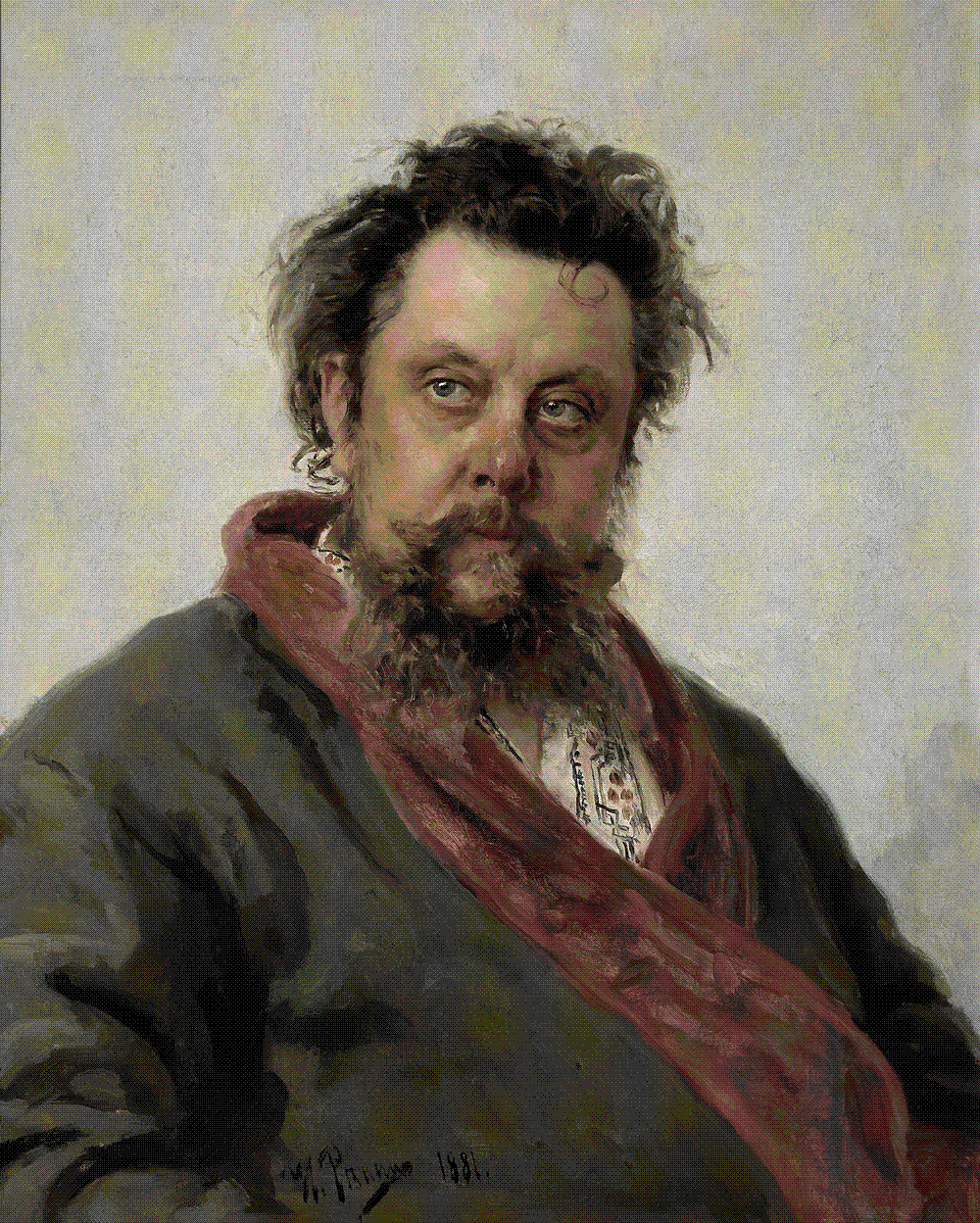
Ilya Repin's 1881 portrait of Modest Mussorgsky, dishevelled and red-nosed, in a dressing gown

The prologue of Mussorgsky's 'Boris Godunov' (1869, revised 1872) stages a crowd ordered by the police to beg a ruler to take power

The prologue of Mussorgsky's opera is set in the courtyard of the Novodevichy Convent outside Moscow. A police officer with a club orders the crowd to its knees and tells it to beg Boris Godunov, who has withdrawn inside, to accept the crown. The people wail on command — and between the choruses ask one another what they are wailing for. It is the most exact portrait in opera of an acclamation that has been organised in advance, and the crowd's own doubt is written into the music.
Modest Mussorgsky, Boris Godunov, opera in a prologue and four acts after Pushkin, first version 1869, revised 1872, premiered Mariinsky Theatre, St Petersburg, 1874; scores at the International Music Score Library Project (IMSLP). →
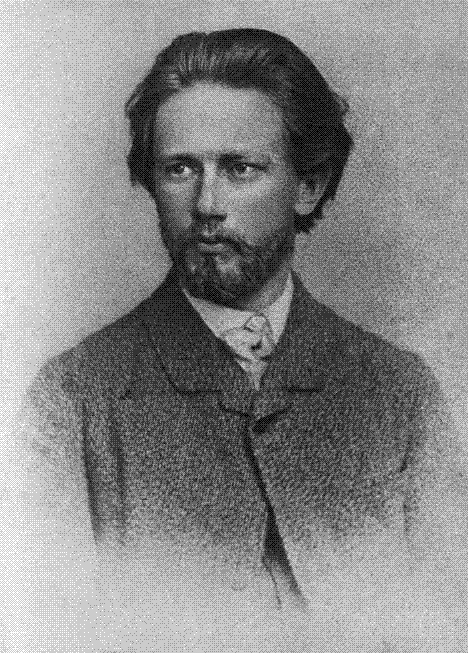
Photographic portrait of Pyotr Tchaikovsky around 1870, with a dark beard, in a jacket and bow tie

Tchaikovsky's '1812' overture (1880) sets a war over Moscow for orchestra, bells and cannon

Tchaikovsky wrote his overture on the defeat of Napoleon's invasion for performance in Moscow, and scored it for the city itself: church bells, a brass band and cannon alongside the orchestra. Russian hymns and folk tunes are set against snatches of the Marseillaise, which the Russian anthem finally drowns out. It is a piece about the capital as the object of war, and the one most often played with real artillery.
Pyotr Ilyich Tchaikovsky, The Year 1812, Solemn Overture, Op. 49, composed 1880, first performed Moscow, 1882; score at the International Music Score Library Project (IMSLP). →