AI-generated
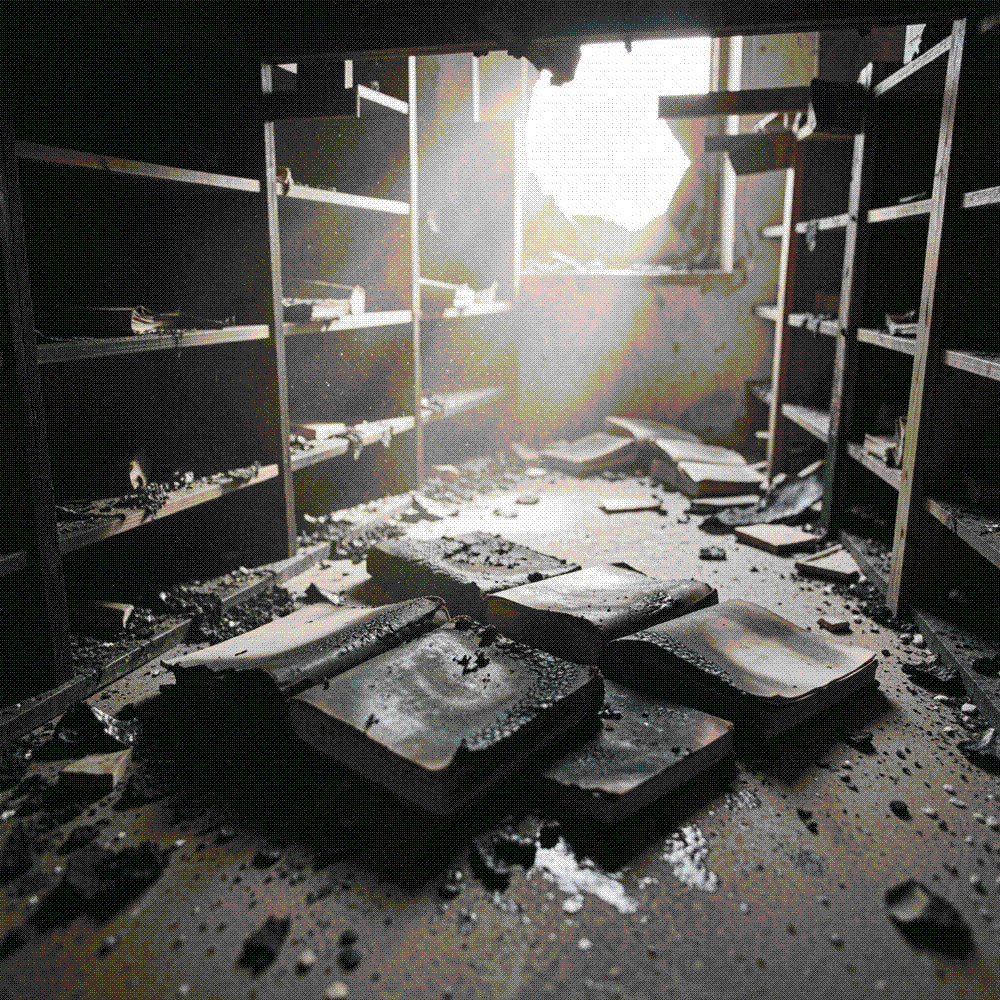
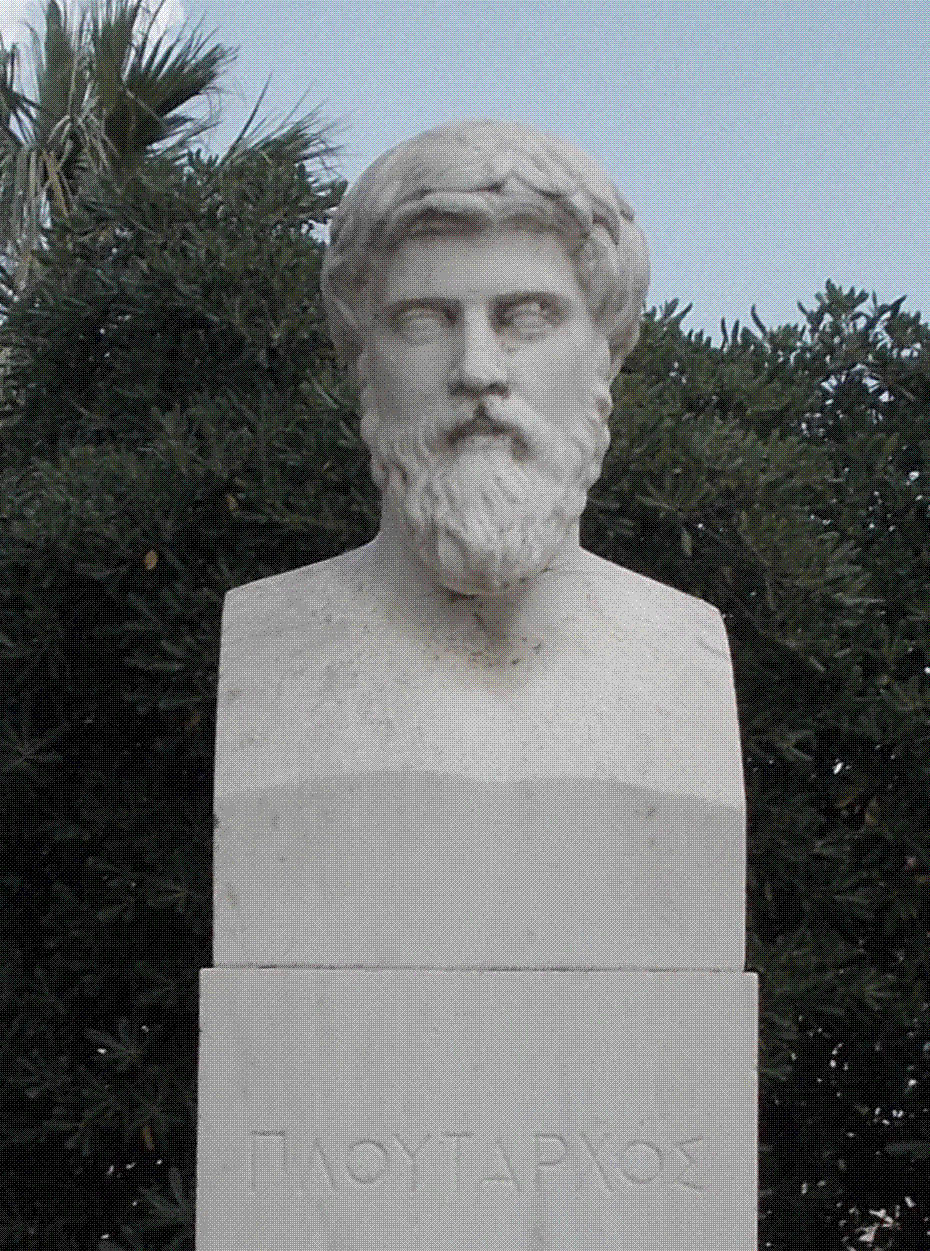
Books AP · BBC · Sep 24, 2026 Russian strikes have destroyed millions of Ukraine's books, as a BBC investigation finds almost no one punished for wartime heritage destruction An Associated Press report on 21 September detailed how Russian strikes had destroyed millions of books across Ukraine, raising concern about the long-term survival of the country's literary culture and its archives as the war goes on. Days earlier, a BBC In Depth investigation had documented cultural monuments being destroyed across several of the world's current conflicts and found that virtually no one had been punished for the destruction, profiling the activists and specialists working to document and protect heritage sites under threat and to bring those responsible to justice. Analogies Plutarch records how, in the Alexandrian War of 48 BC, Caesar's fire spread from the dockyards and destroyed the great library in the second place, when the enemy tried to cut off his fleet, he was forced to repel the danger by using fire, and this spread from the dockyards and destroyed the great library
Plutarch, Life of Caesar, 49.6, trans. Bernadotte Perrin, Plutarch's Lives, vol. VII (Loeb Classical Library, 1919); text at LacusCurtius, University of Chicago. → The burning of the university library at Louvain in August 1914, as recorded by Arnold Toynbee three years later The manuscripts and early printed books in the Library were one of the treasures of Europe. The whole collection of 250,000 volumes was the intellectual capital of the University, without which it could not carry on its work. Every volume and manuscript was destroyed.
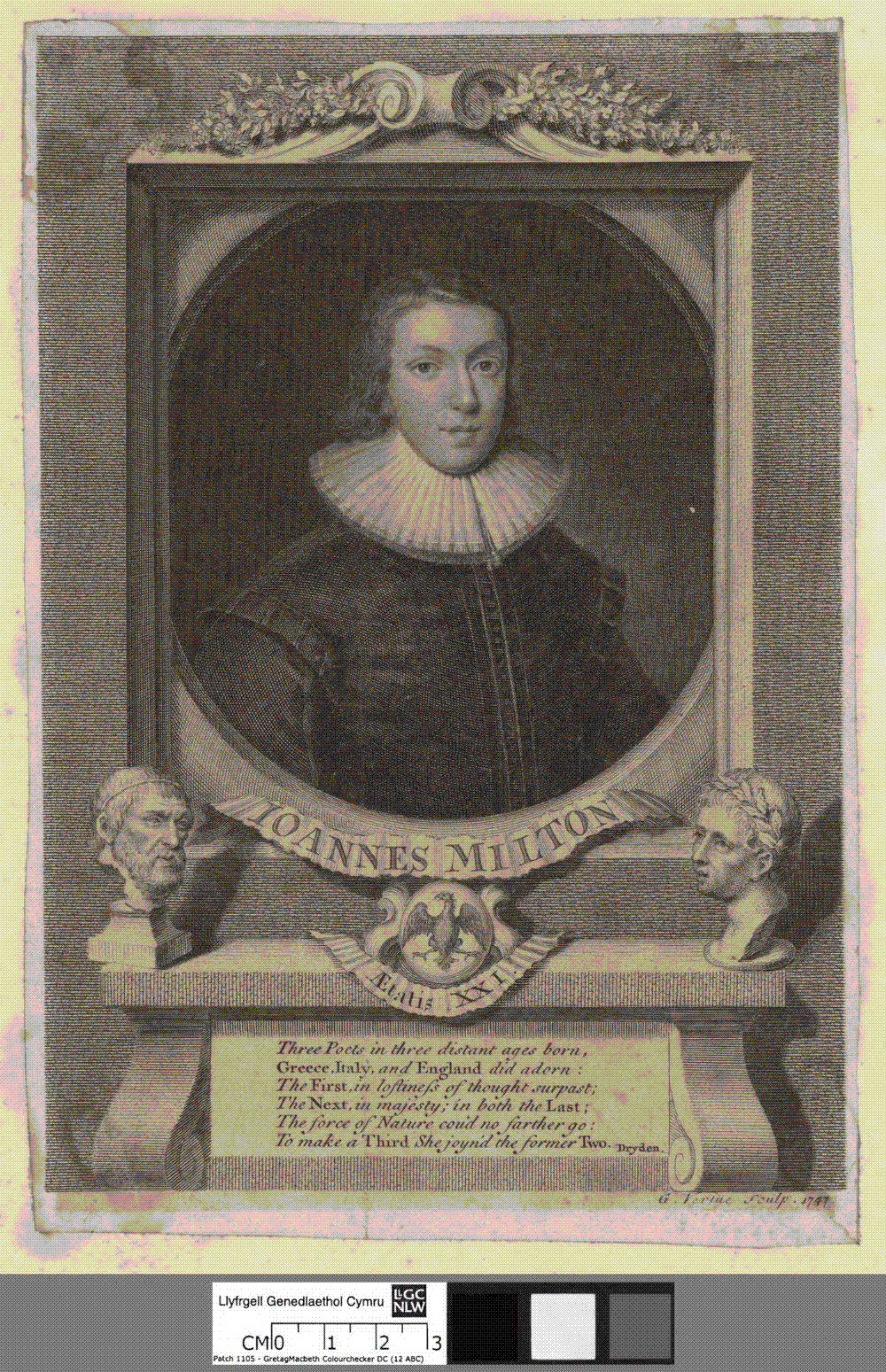
Arnold J. Toynbee, The German Terror in Belgium: An Historical Record (London: Hodder and Stoughton, 1917), ch. on Louvain; Project Gutenberg ebook 50716. → John Milton, 'Areopagitica' (1644): to destroy a good book is to kill reason itself as good almost kill a man as kill a good book. Who kills a man kills a reasonable creature, God's image; but he who destroys a good book, kills reason itself, kills the image of God, as it were in the eye.
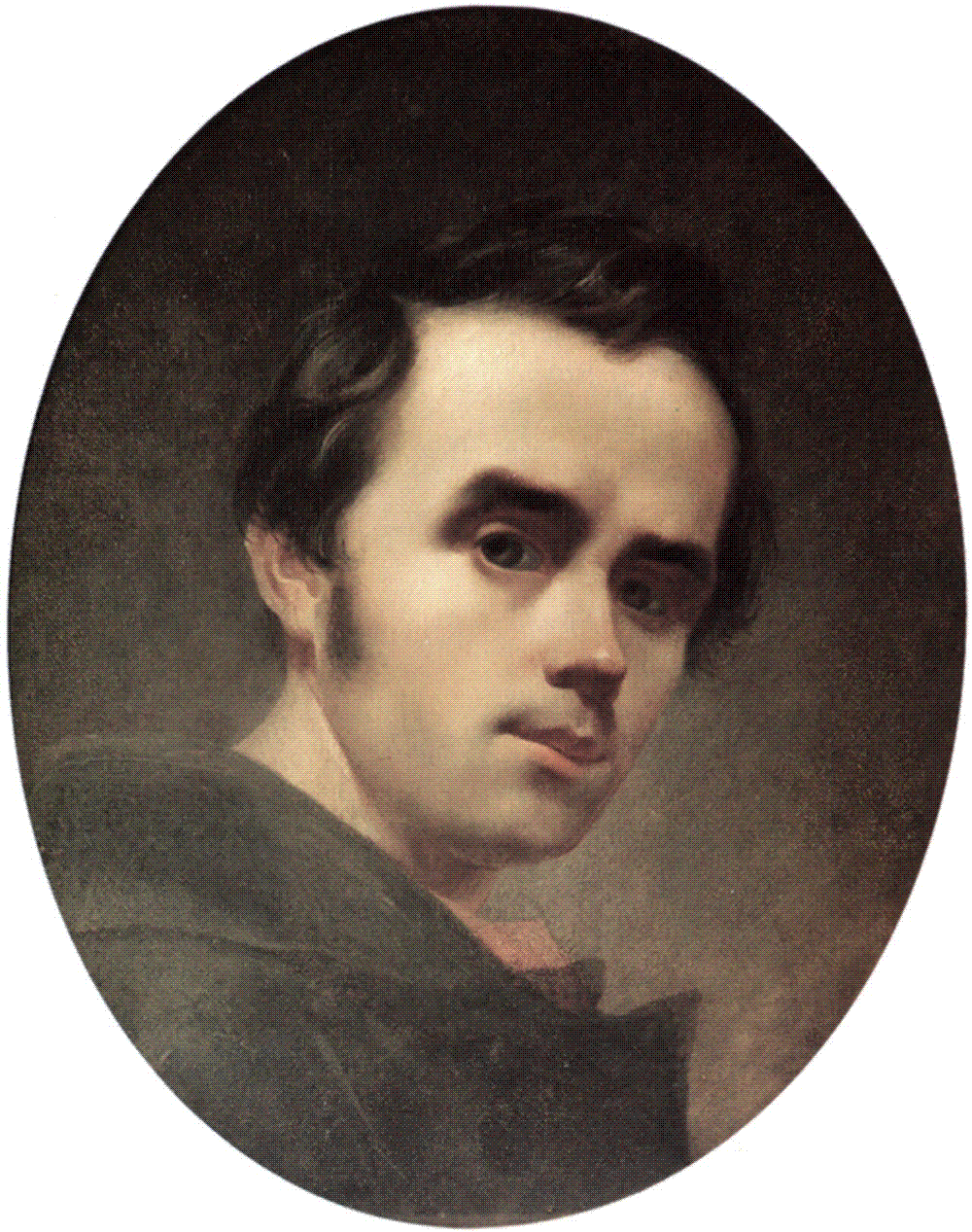
John Milton, Areopagitica: A Speech of Mr. John Milton for the Liberty of Unlicenc'd Printing, to the Parlament of England (London, 1644); Project Gutenberg ebook 608. → The last stanza of Taras Shevchenko's 'My Testament' (1845), the poem Ukrainians learn by heart: speak of me Then shall spring a kinship great, / This a family new and free. / Sometimes in your glorious state, / Gently, kindly, speak of me.
Taras Shevchenko, 'Zapovit' ('My Testament'), written 25 December 1845, in The Kobzar of the Ukraine, trans. Alexander Jardine Hunter (Winnipeg, 1922); Project Gutenberg ebook 68486. → Pedro Berruguete's 'Saint Dominic and the Albigensians' (c. 1493–99), a trial by fire decided by which books burn Berruguete painted the scene for the Dominican friary of Santo Tomás in Ávila in the 1490s. On a dais, the heretics' books and Saint Dominic's book are thrown together onto a fire to see which will survive; the saint's book rises miraculously out of the flames, while the others burn. A court of robed judges watches. It is a picture of a trial in which the burning of books is the verdict — and of how long the fire has been used as an argument about which books deserve to exist.
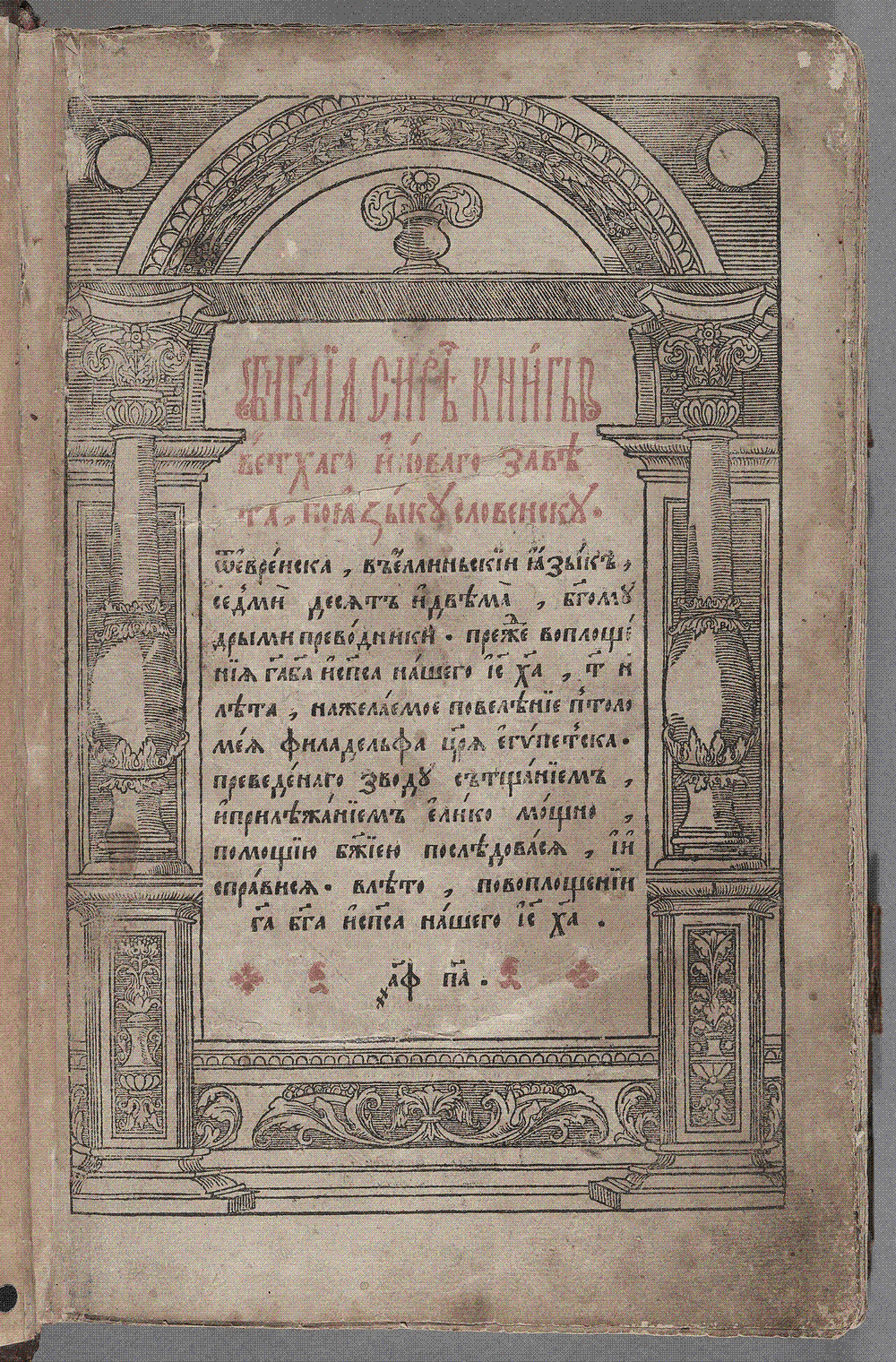
Pedro Berruguete, Santo Domingo y los albigenses (Saint Dominic and the Albigensians), c. 1493–99, oil on panel; Museo Nacional del Prado, Madrid. → The Ostroh Bible (1581), printed by Ivan Fedorov at Ostroh in present-day Ukraine In 1581 the printer Ivan Fedorov completed the first full printed Bible in Church Slavonic at Ostroh, in Volhynia, in what is now western Ukraine, under the patronage of Prince Konstantin Ostrozhsky. Its title page is a framed architectural portal of woodcut ornament around the text, a typographic monument built to last. It is one of the founding objects of printing in Ukraine — the kind of book, and the kind of collection, whose loss the week's reporting counted in millions.
Ivan Fedorov (printer), Ostroh Bible, Ostroh, 1581, first complete printed Bible in Church Slavonic. →