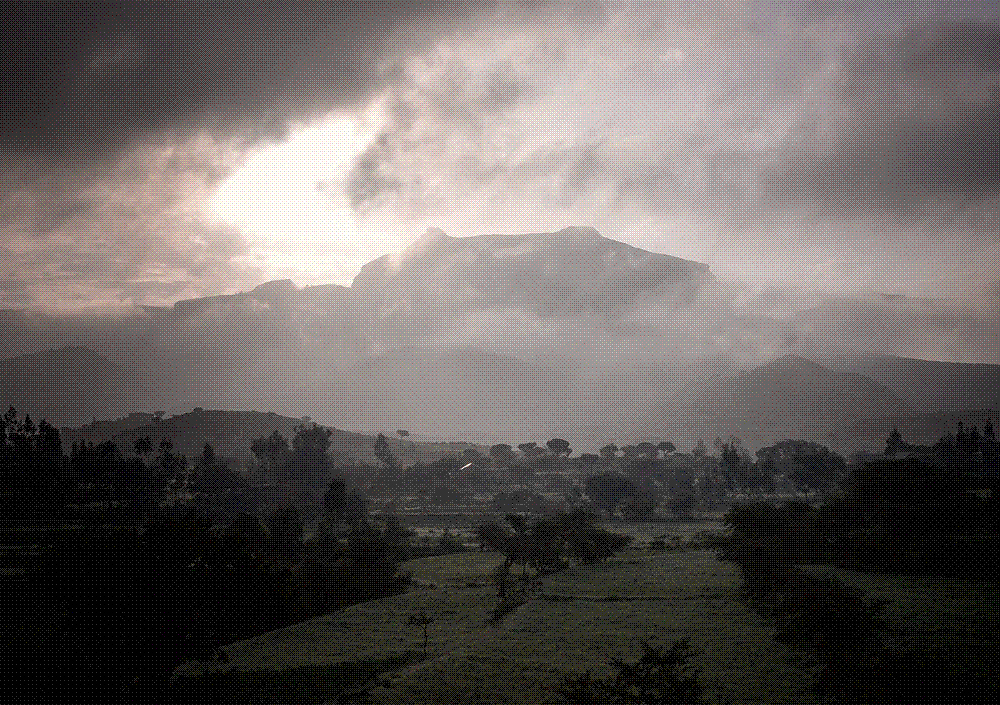
Morning light over the terraced fields and rugged mountains of Tigray in northern Ethiopia.

Rod Waddington / Wikimedia Commons, CC BY-SA 2.0

ConflictBBC · Reuters · APSep 24, 2026

Tigray declares a 'defensive war' on Ethiopia's federal government as its fighters seize the region's airports

Tigray's regional government announced on 23 September that it had entered a 'defensive war' against Ethiopia's federal government, and its fighters took control of airports in the region amid reported drone strikes. Ethiopian Airlines cancelled flights to the Tigrayan capital. By the next day the federal government and the Tigrayan leadership were each accusing the other of launching offensives, raising fears of a return to the civil war that devastated the region between 2020 and 2022. Analysts warned that a new war in Tigray could draw in the country's neighbours and widen into a regional conflict.
Analogies

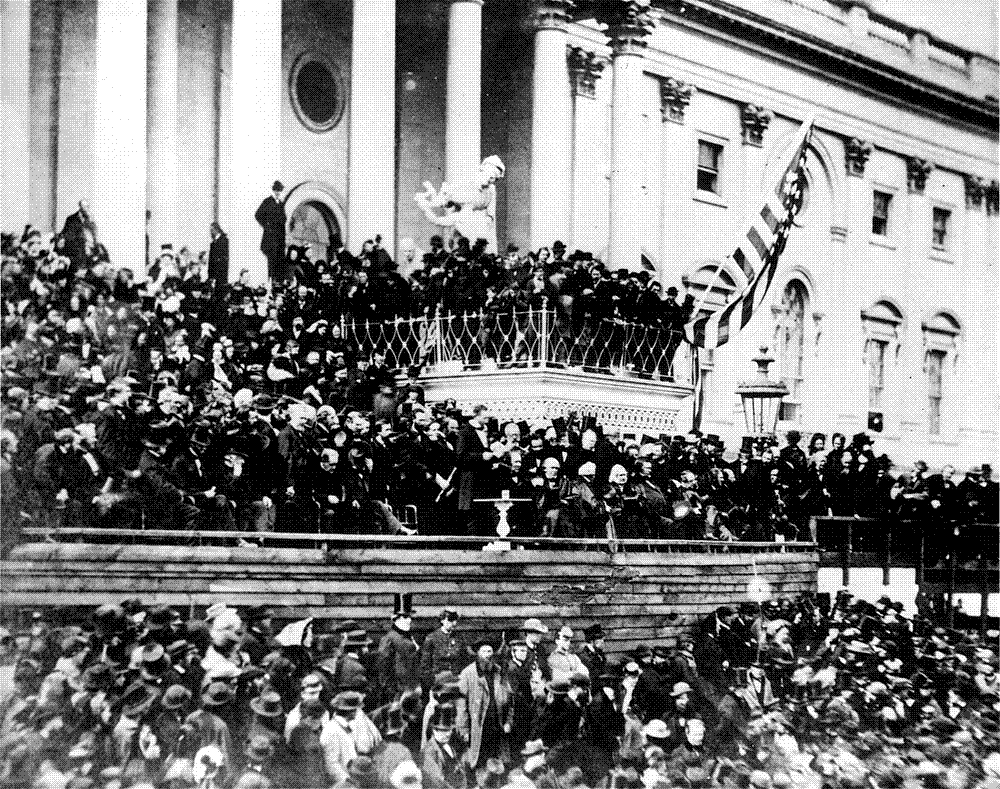
Alexander Gardner's photograph of Lincoln reading his second inaugural address from a platform before the unfinished Capitol dome, a crowd below

Abraham Lincoln's second inaugural address, March 1865: both sides said they did not want war, and the war came

On the occasion corresponding to this four years ago, all thoughts were anxiously directed to an impending civil war. All dreaded it—all sought to avert it. While the inaugural address was being delivered from this place, devoted altogether to saving the Union without war, insurgent agents were in the city seeking to destroy it without war—seeking to dissolve the Union, and divide effects, by negotiation. Both parties deprecated war; but one of them would make war rather than let the nation survive; and the other would accept war rather than let it perish. And the war came.
Abraham Lincoln, Second Inaugural Address, Washington, 4 March 1865; Wikisource. →
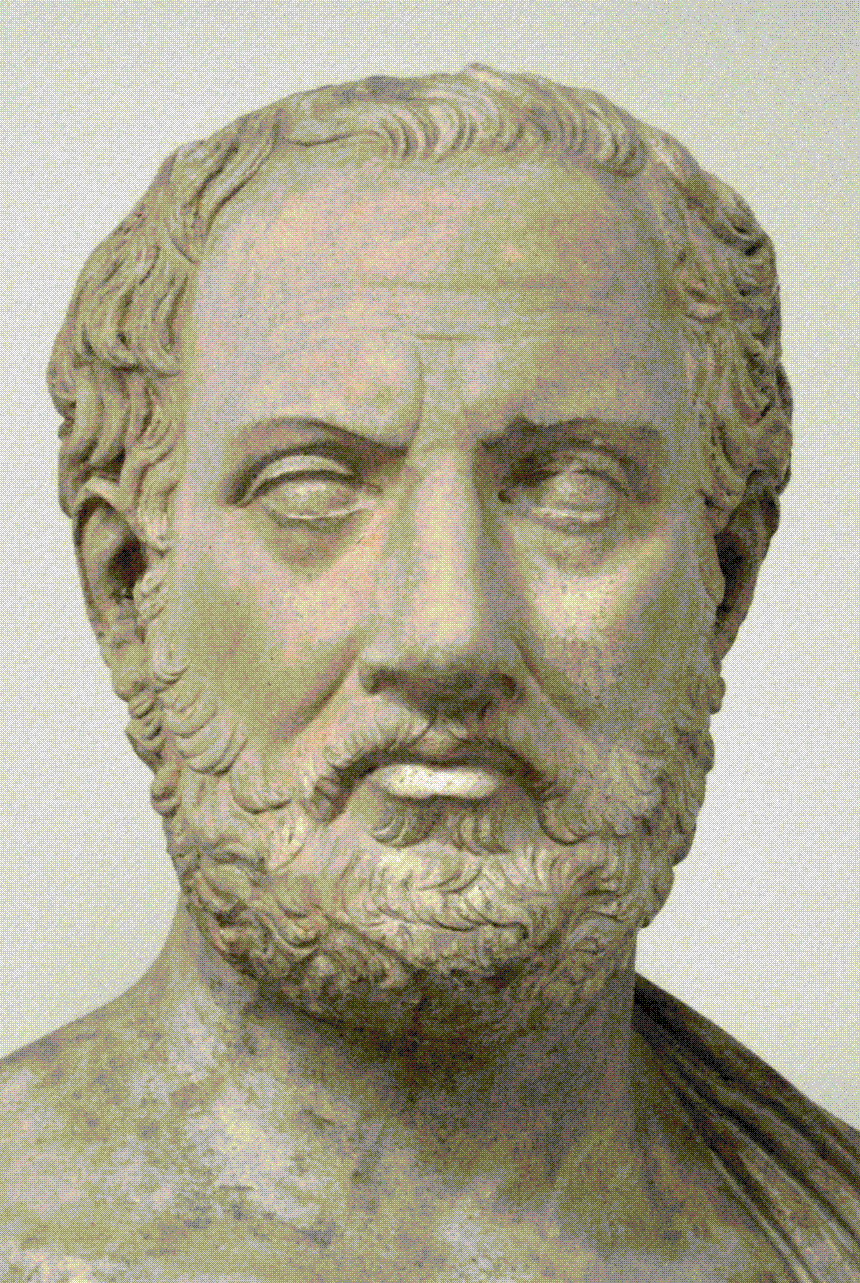
Plaster cast of a bust of Thucydides in the Pushkin Museum, Moscow

Thucydides on the civil strife that spread through the Greek cities in 427 BC: war as 'a rough master'

The sufferings which revolution entailed upon the cities were many and terrible, such as have occurred and always will occur, as long as the nature of mankind remains the same; though in a severer or milder form, and varying in their symptoms, according to the variety of the particular cases. In peace and prosperity, states and individuals have better sentiments, because they do not find themselves suddenly confronted with imperious necessities; but war takes away the easy supply of daily wants, and so proves a rough master, that brings most men’s characters to a level with their fortunes.
Thucydides, History of the Peloponnesian War, 3.82, trans. Richard Crawley (London: J. M. Dent, 1874); Project Gutenberg ebook 7142. →
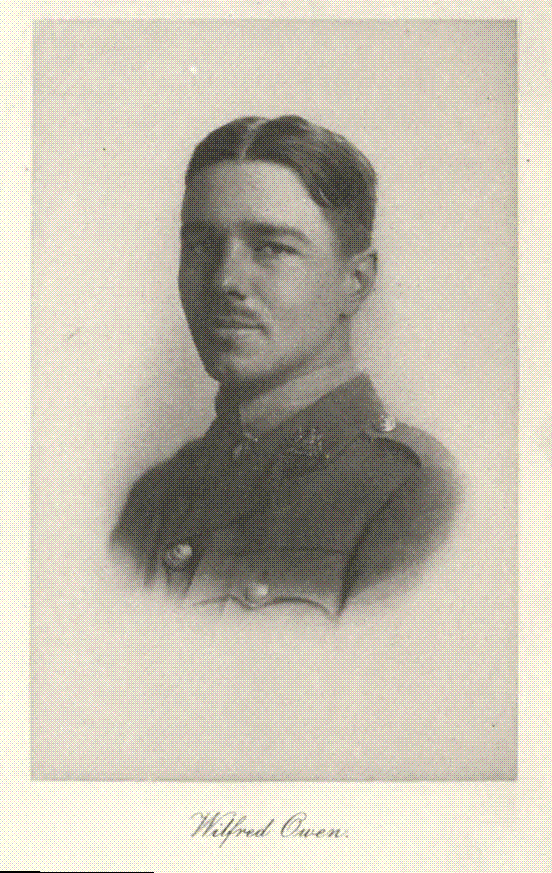
Portrait photograph of Wilfred Owen in British Army uniform, around 1916

Wilfred Owen's 'Dulce et Decorum Est', written at Craiglockhart in 1917, answers everyone who sends others to fight

If in some smothering dreams, you too could pace / Behind the wagon that we flung him in, / And watch the white eyes writhing in his face, / His hanging face, like a devil's sick of sin, / If you could hear, at every jolt, the blood / Come gargling from the froth-corrupted lungs / Bitter as the cud / Of vile, incurable sores on innocent tongues,-- / My friend, you would not tell with such high zest / To children ardent for some desperate glory, / The old Lie: Dulce et decorum est / Pro patria mori.
Wilfred Owen, 'Dulce et Decorum Est', in Poems, ed. Siegfried Sassoon (London: Chatto & Windus, 1920); Project Gutenberg ebook 1034. →
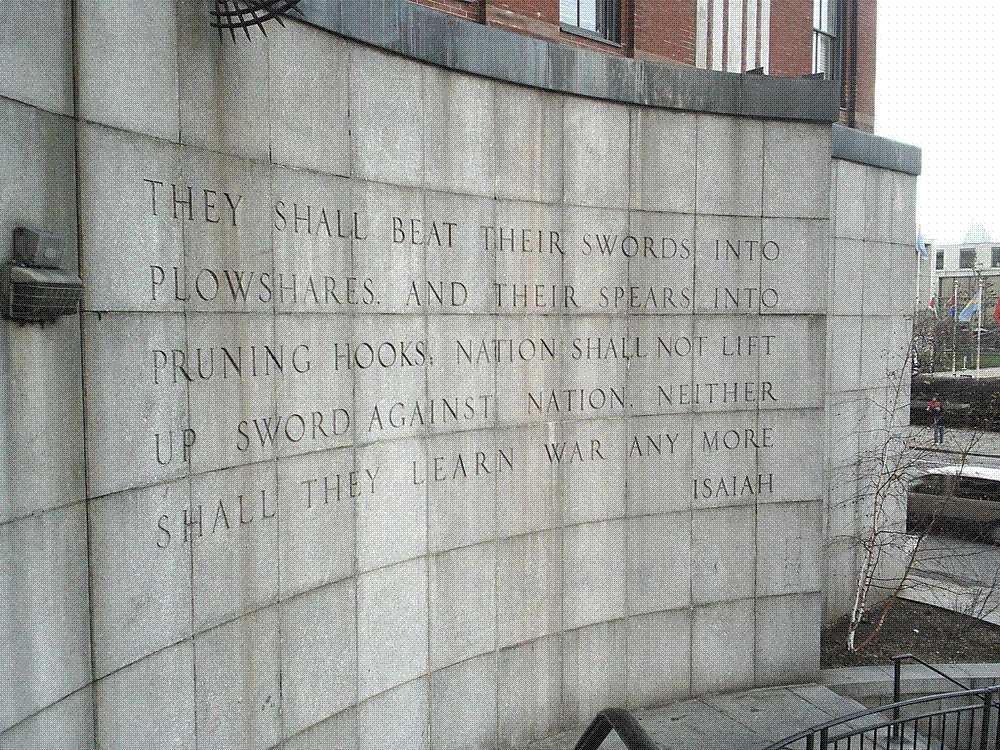
The Isaiah Wall in Ralph Bunche Park, across from the United Nations in New York, carved with the words about beating swords into plowshares

Isaiah's vision of the nations beating their swords into ploughshares

And he shall judge among the nations, and shall rebuke many people: and they shall beat their swords into plowshares, and their spears into pruninghooks: nation shall not lift up sword against nation, neither shall they learn war any more.
Isaiah 2:4, The Holy Bible, King James Version (1611); Project Gutenberg ebook 10. →
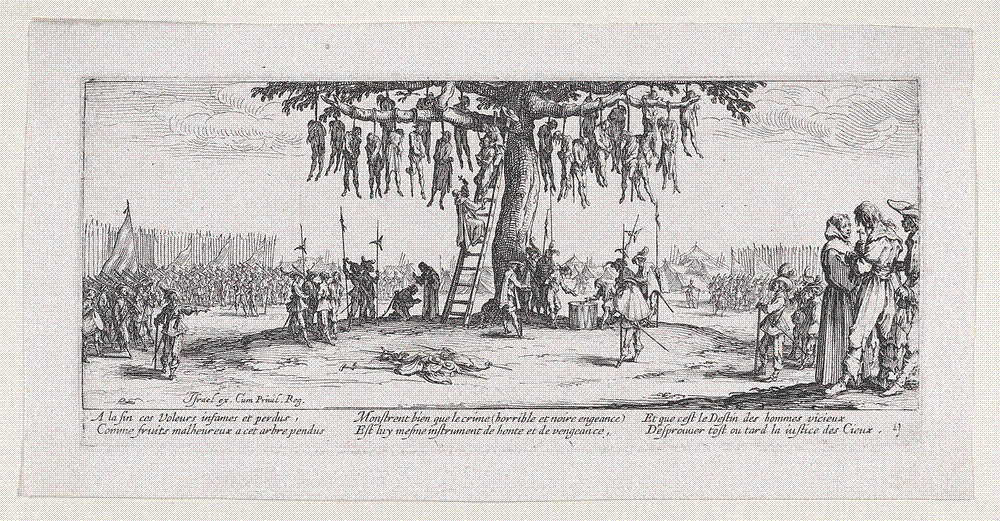
Callot's etching of a large tree hung with executed soldiers while ranks of troops watch in formation

Jacques Callot's 'The Hanging', from 'The Miseries and Misfortunes of War' (1633)

A great tree stands in a field, and from its branches hang some twenty soldiers; a monk on a ladder offers the last rites to another as the hangman prepares the rope, while ranks of troops stand in formation and watch. Callot's eighteen etchings of the miseries of war, published in 1633 during the Thirty Years' War, follow soldiers from recruitment through pillage to punishment. The Hanging, the eleventh plate, is the most famous: war turning on its own side as discipline breaks down.
Jacques Callot, La Pendaison (The Hanging), plate 11 of Les Misères et les malheurs de la guerre (the 'Large Miseries of War'), 1633, etching; impression at the Cleveland Museum of Art, 1923.277.10. →
Traditional Ethiopian painting of the battle of Adwa: ranks of Ethiopian soldiers and cavalry facing Italian troops, with a saint appearing in the sky above

Ethiopian church-style paintings of the battle of Adwa (1896), fought in the mountains of Tigray

Ethiopian painters working in the church tradition made the battle of Adwa one of their favourite subjects. On 1 March 1896 the army of Emperor Menelik II defeated an Italian invasion force in the mountains of Tigray, securing Ethiopia's independence through the age of European colonisation. The paintings are crowded and flat, the Ethiopian army in ranks of spears and rifles, the Italians routed, often with Saint George riding above the battle. They are pictures of a war that unified a country — a reminder of how much of the nation's history was made in the region now at war with its government.
Unknown Ethiopian artist, painting of the Battle of Adwa (1 March 1896), traditional Ethiopian style; photograph on Wikimedia Commons. →