An empty cinema auditorium from the back row, rows of red seats sloping towards a faintly glowing blank screen

AI-generated

FilmAP · BBCSep 24, 2026

Toronto's audience award goes to 'La Bola Negra', and a film from Nagaland becomes the season's dark horse

Two films left Toronto this week with a route to the Academy Awards. 'La Bola Negra' won the festival's People's Choice Award, the prize decided by ballots filled in by ordinary ticket-holders rather than a jury, and historically the single most reliable early indicator of Best Picture contention. The second is stranger and more interesting: 'Angh', made in Nagaland in north-east India, came out of the same festival as a dark-horse contender, carrying to a global audience a region that has almost never appeared on screen outside India and is barely visible within it. The two results say something about what the Toronto award actually measures. It is not critical consensus but the response of a room, which is why it catches films that festival juries and the trade press have not yet decided about — and why, most years, it sets the terms of the awards season that follows.
Analogies

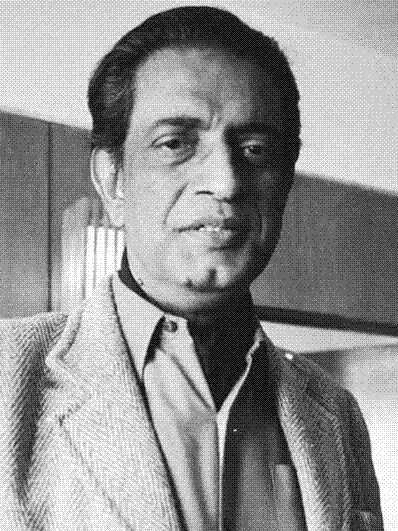
A photograph of the director Satyajit Ray

1956: a first film shot at weekends in Bengal wins at Cannes and the world's map of cinema is redrawn

Impoverished priest Harihar Ray, dreaming of a better life for himself and his family, leaves his rural Bengal village in search of work.
Festival de Cannes, film record for Pather Panchali (Satyajit Ray, India), awarded the Prix du document humain at the 1956 festival. →

1946: the Venice Biennale restarts its film festival and the awards circuit becomes the route out of a national industry

the Venice International Film Festival
La Biennale di Venezia, history of the Venice International Film Festival, on the festival's resumption after the Second World War. →
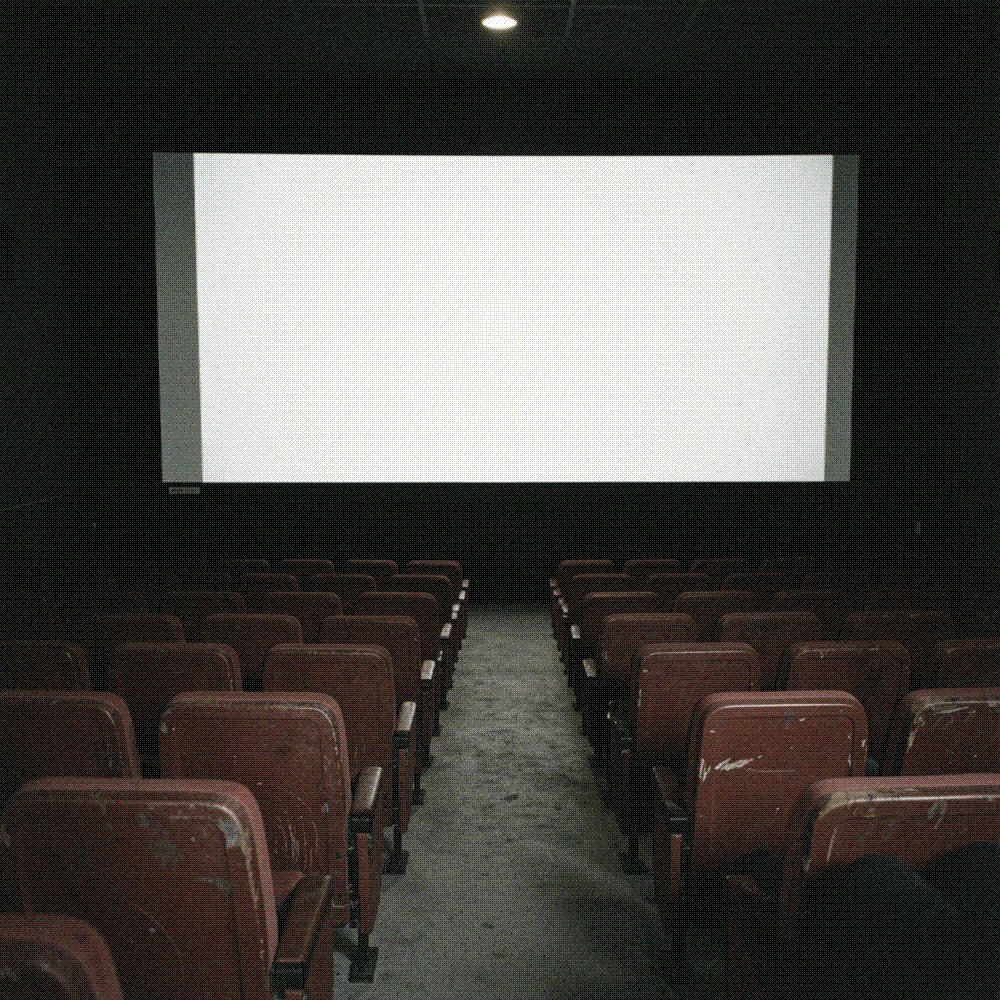
A marble bust of Aristotle

Aristotle sets out what an audience is actually responding to when it votes with its feeling

through pity and fear effecting the proper purgation of these emotions
Aristotle, The Poetics, ch. VI, trans. S. H. Butcher (London: Macmillan, 1895); Project Gutenberg ebook 1974. →
A photograph of Rabindranath Tagore, white-bearded, in a long robe

Tagore's 'Gitanjali' (1912) is the precedent for a regional language reaching the world through one recognition

Thou hast made me endless, such is thy pleasure. This frail vessel thou emptiest again and again, and fillest it ever with fresh life.
Rabindranath Tagore, Gitanjali (Song Offerings), verse 1, translated by the author from the Bengali (London: India Society, 1912); Project Gutenberg ebook 7164. →
Muybridge's sequence of photographs showing a horse galloping, all four feet off the ground in one frame

Muybridge settles a bet in 1878 and accidentally builds the grammar of moving pictures

Twelve cameras were set along a track with threads across it, tripped by the horse's own legs, to answer whether a trotting horse ever has all four feet off the ground. It does. The prints were published as a sequence of small frames in a row — the first time motion had been broken into intervals that a viewer could reassemble, and the format every strip of film has used since. The commission came from a railroad magnate who had money on the answer.
Eadweard Muybridge, The Horse in Motion, series of albumen photographs made at Palo Alto, California, June 1878. →
A wayang kulit performance: an intricately cut leather puppet held against a lit screen

Wayang kulit: an epic performed for a whole village behind a lit screen, centuries before cinemas

A single puppeteer sits behind a lit screen for a night-long performance, voicing every character, cueing the gamelan, and moving figures of perforated buffalo hide whose shadows do the acting. The audience may sit on either side — the shadows, or the puppets and the man working them. The repertory is the Mahabharata and the Ramayana, adapted endlessly to local circumstance, which is the oldest working answer to the question of how a specific place tells a story that travels.
Wayang kulit, Javanese shadow puppet theatre, performed with a lamp, a stretched linen screen and perforated leather figures; inscribed by UNESCO on the Representative List of the Intangible Cultural Heritage of Humanity. →