AI-generated
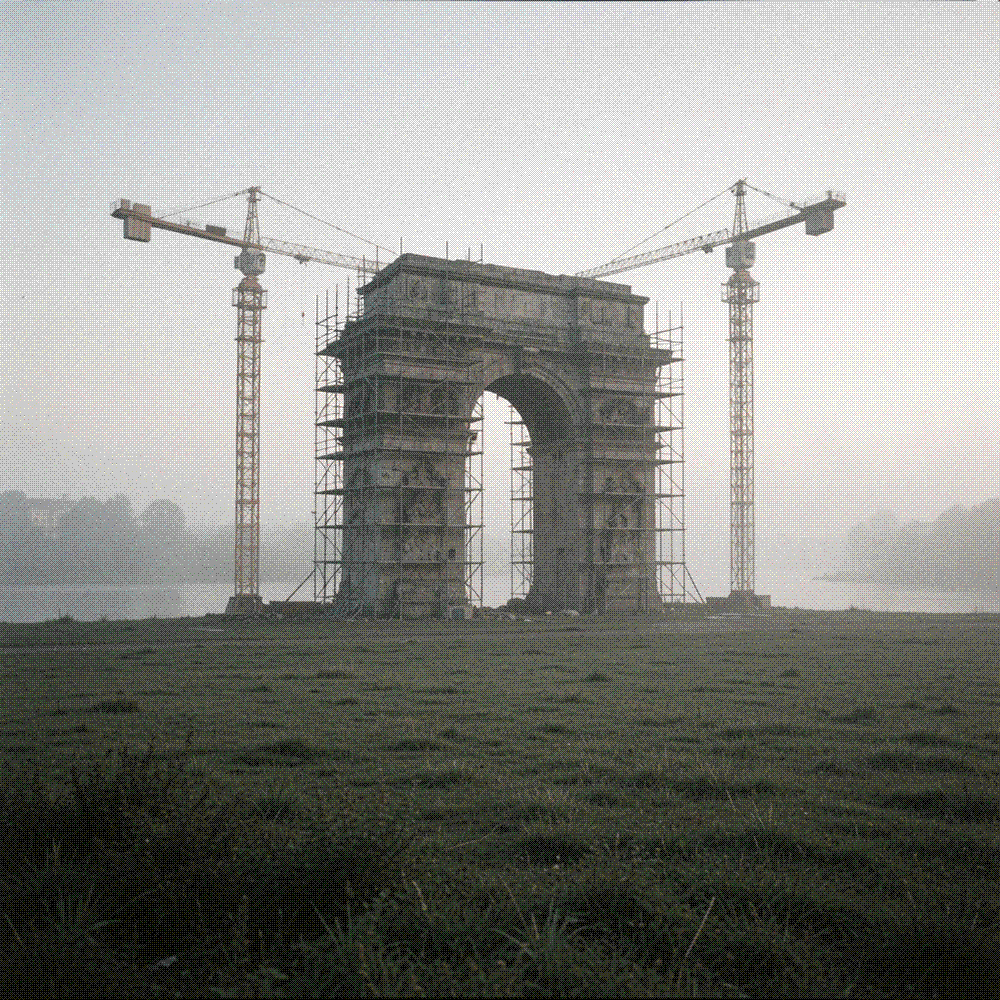
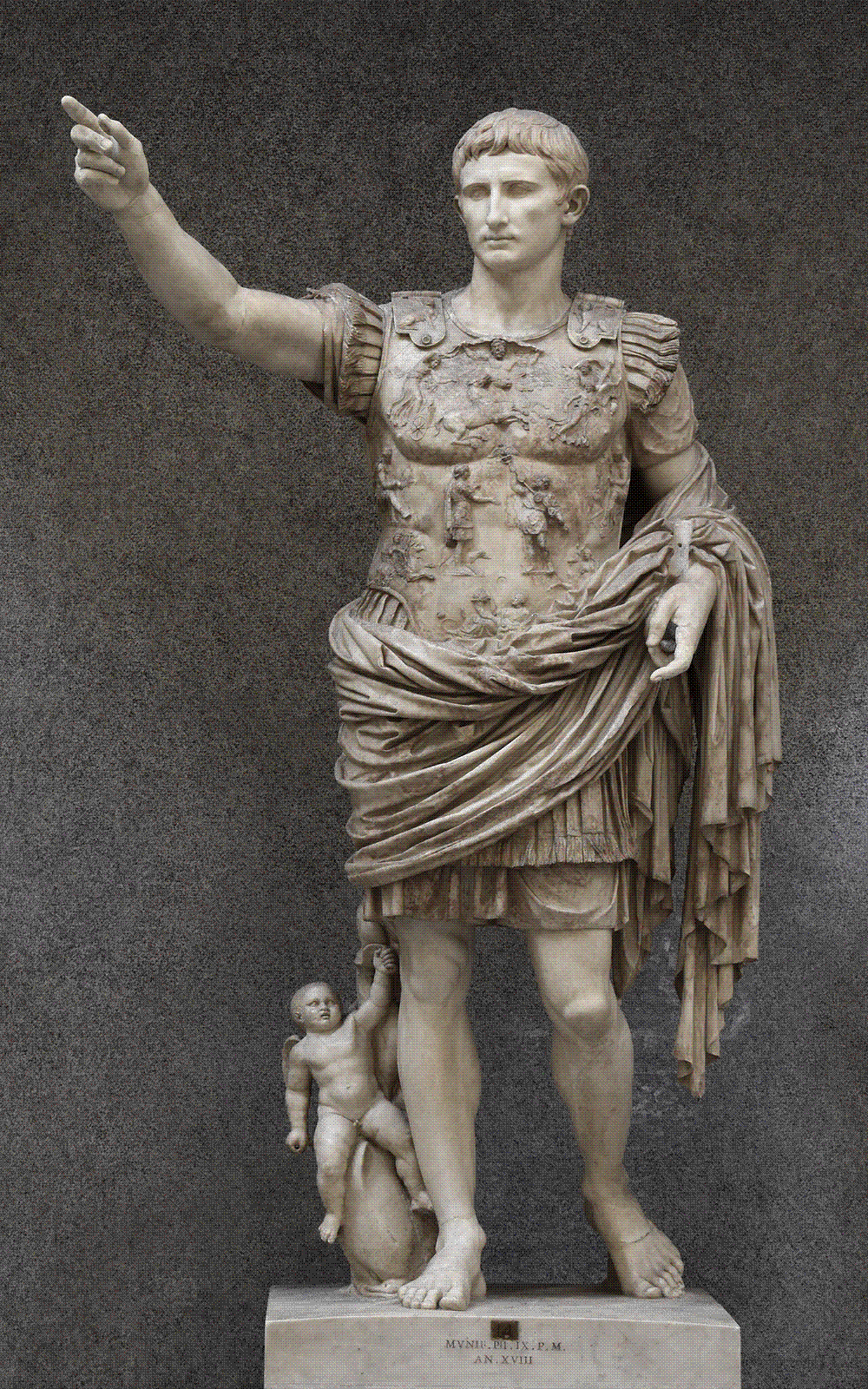
Trump says his 250-foot triumphal arch will double as a 'military complex' for drones and snipers The Federal Aviation Administration cleared Donald Trump's planned triumphal arch in Washington for construction on 18 September, on condition that its 'eternal flame' be modified to alert pilots to the structure. Two days later Trump said the aluminium arch, designed by Harrison Design and planned at 250 feet, would be reconfigured at the military's request into what he called a 'top grade military complex' equipped to host drone operations and sniper positions — a fusion of monumental architecture and security infrastructure that drew immediate scrutiny. On 23 September Trump added that his planned White House ballroom would house a drone port, though the Secret Service already operates one next door, and the FAA said the arch had received no special treatment in its review. Analogies Suetonius records Augustus's boast about the city he rebuilt: he found Rome brick and left it marble The city, which was not built in a manner suitable to the grandeur of the empire, and was liable to inundations of the Tiber, as well as to fires, was so much improved under his administration, that he boasted, not without reason, that he “found it of brick, but left it of marble.”
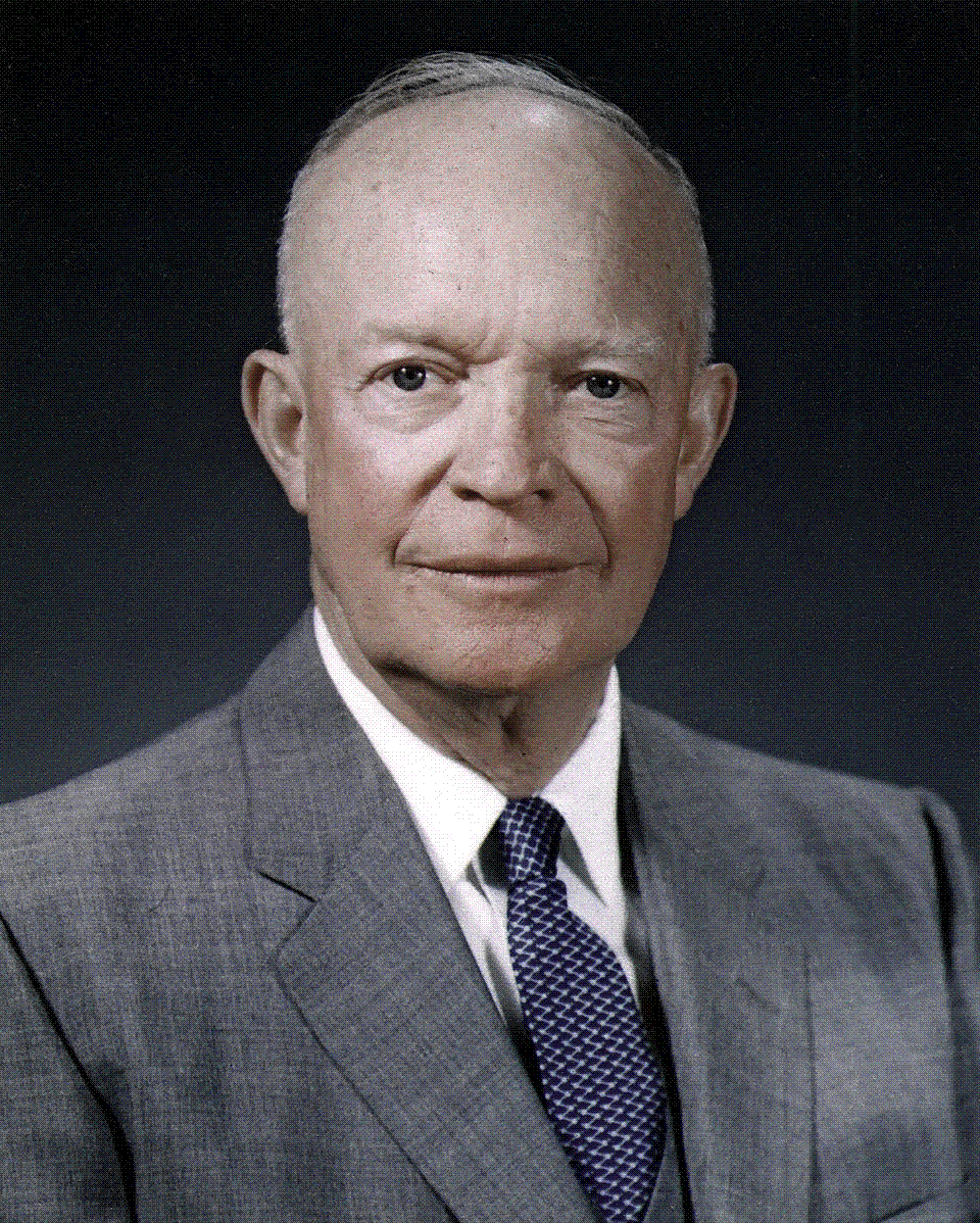
Suetonius, The Lives of the Twelve Caesars, 'Augustus', ch. 29 in Thomson's numbering, trans. Alexander Thomson, revised by T. Forester (London: George Bell & Sons, 1890); Project Gutenberg ebook 6400. → Dwight Eisenhower's farewell address of 17 January 1961 names the 'military-industrial complex' In the councils of government, we must guard against the acquisition of unwarranted influence, whether sought or unsought, by the military-industrial complex. The potential for the disastrous rise of misplaced power exists and will persist.
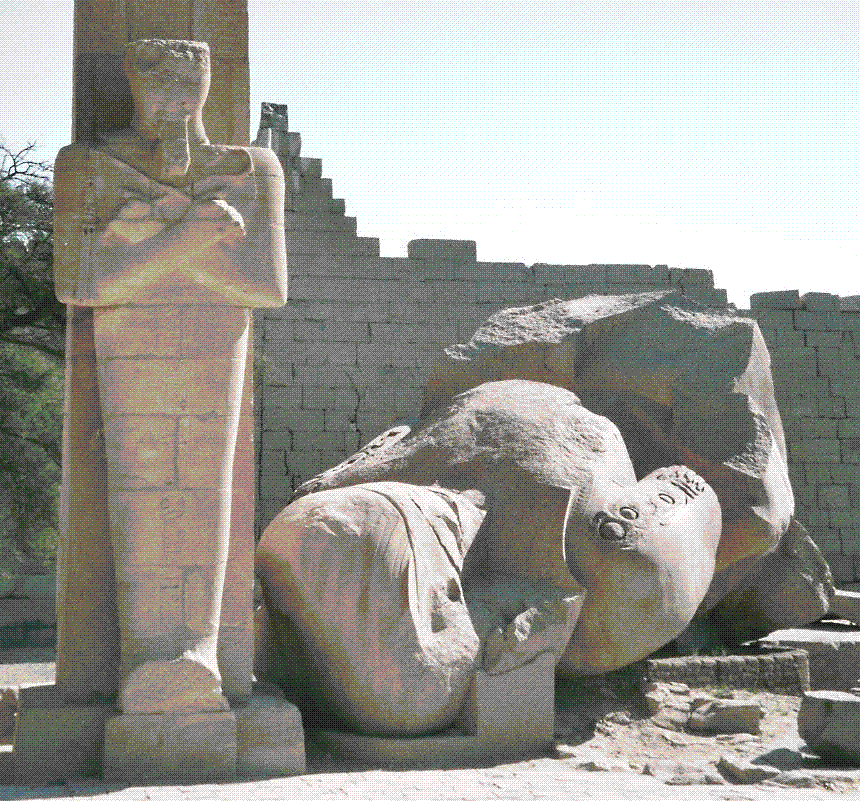
Dwight D. Eisenhower, Farewell Address to the Nation, 17 January 1961 (press copy); Wikisource. → Percy Bysshe Shelley's 'Ozymandias' (1818): the pedestal still speaks, and nothing beside remains I met a traveller from an antique land / Who said: Two vast and trunkless legs of stone / Stand in the desert...Near them, on the sand, / Half sunk, a shattered visage lies, whose frown, / And wrinkled lip, and sneer of cold command, / Tell that its sculptor well those passions read / Which yet survive, stamped on these lifeless things, / The hand that mocked them, and the heart that fed: / And on the pedestal these words appear: / ‘My name is Ozymandias, king of kings: / Look on my works, ye Mighty, and despair!’ / Nothing beside remains. Round the decay / Of that colossal wreck, boundless and bare / The lone and level sands stretch far away.
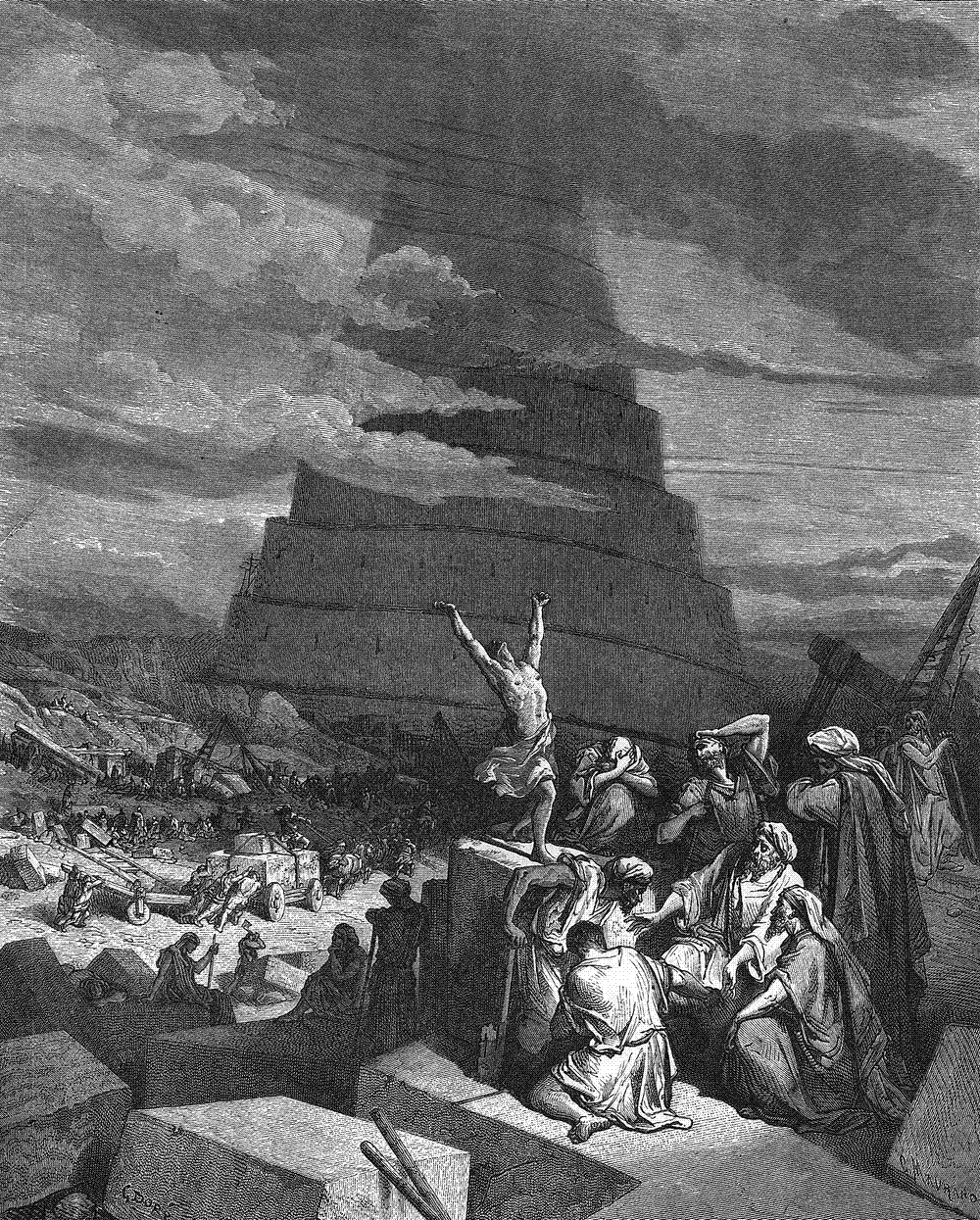
Percy Bysshe Shelley, 'Ozymandias', The Examiner, 11 January 1818; in The Complete Poetical Works of Percy Bysshe Shelley, ed. Thomas Hutchinson (Oxford, 1914); Project Gutenberg ebook 4800. → The builders of Babel want a tower 'whose top may reach unto heaven' — to make themselves a name And they said, Go to, let us build us a city and a tower, whose top may reach unto heaven; and let us make us a name, lest we be scattered abroad upon the face of the whole earth.
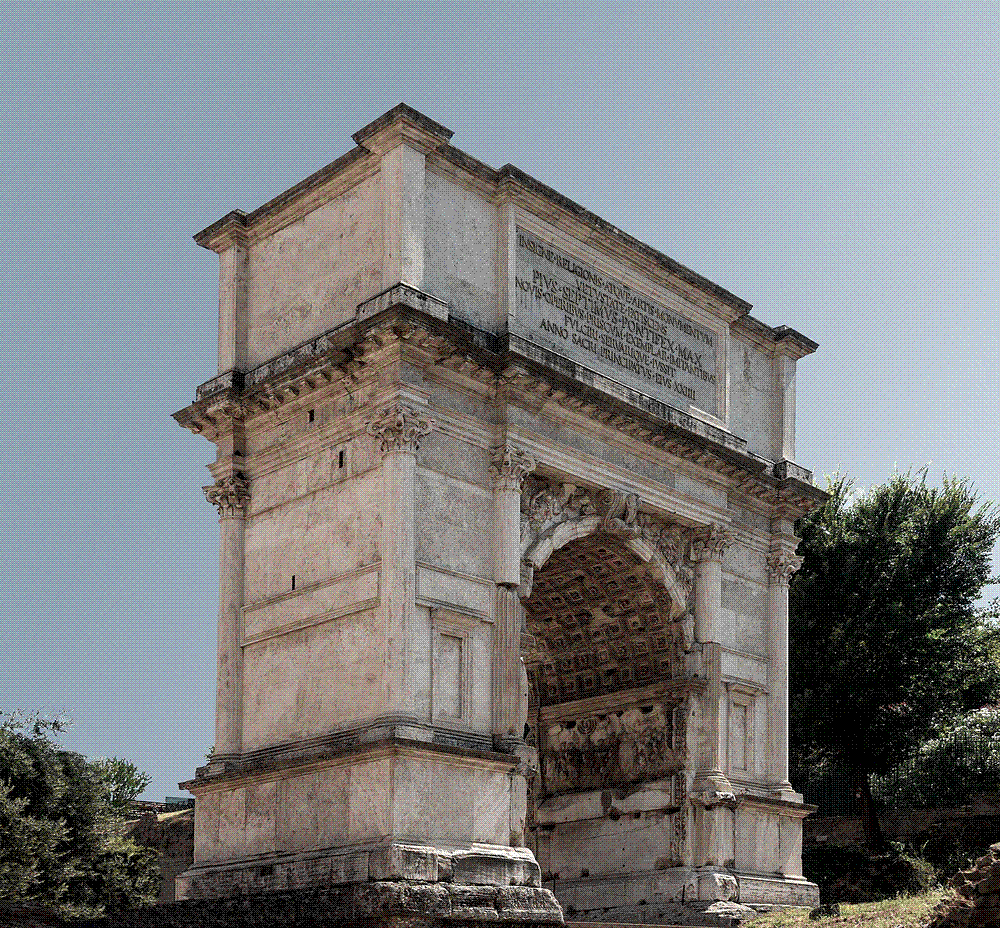
Genesis 11:4, The Holy Bible, King James Version (1611); Project Gutenberg ebook 10. → The Arch of Titus in the Roman Forum (c. AD 81–82), the model for every triumphal arch since The Arch of Titus, raised on the Via Sacra after the emperor's death in AD 81, commemorates his capture of Jerusalem a decade earlier. Inside the passageway two reliefs show the triumph itself: on one side Titus rides in his chariot crowned by Victory; on the other, soldiers carry the spoils of the Temple, the great seven-branched menorah among them, through a triumphal gate. It is the model for every later triumphal arch — including those in Paris and New York — and a reminder that the form was invented to display military power in the heart of a capital.
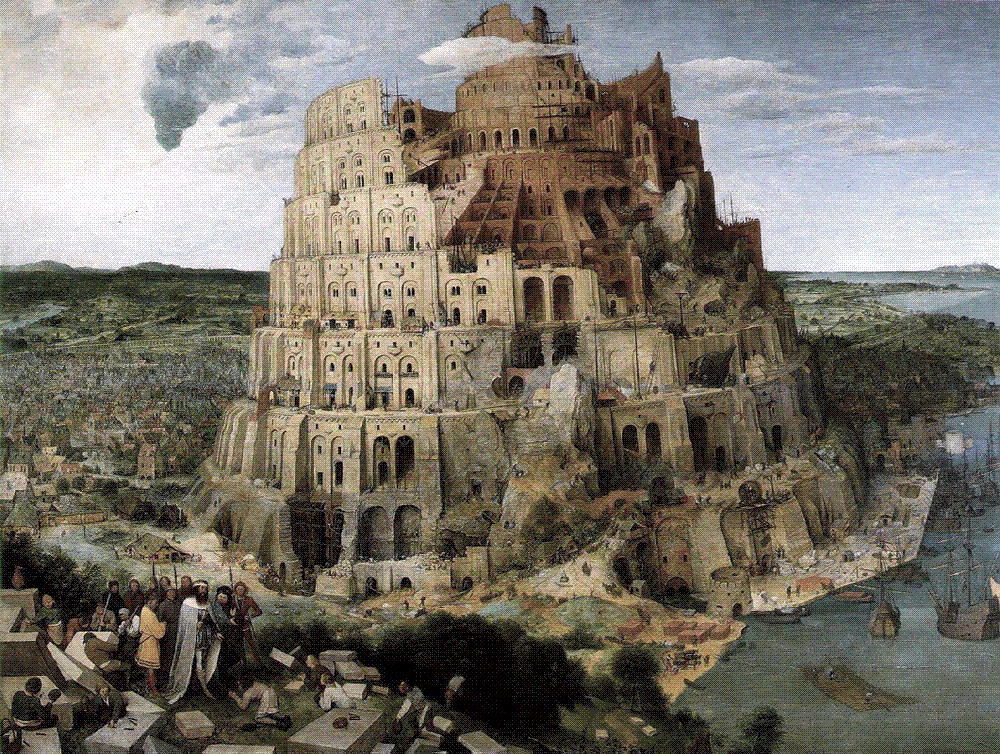
Arch of Titus, Via Sacra, Roman Forum, Rome, erected by Domitian c. AD 81–82; Parco archeologico del Colosseo. → Pieter Bruegel the Elder's 'The Tower of Babel' (1563) Bruegel's tower rises in spiralling tiers from a harbour city, so enormous that clouds pass across its upper storeys; its lower arches are already cut into the living rock, its upper floors unfinished, cranes and ladders everywhere. In the foreground King Nimrod inspects the works while masons kneel before him. It is a painting of a ruler's building project that has grown past any use except its own size — and it is already beginning to lean.
Pieter Bruegel the Elder, The Tower of Babel, 1563, oil on oak panel, 114 × 155 cm; Kunsthistorisches Museum, Vienna, GG 1026. →