Wikimedia Commons
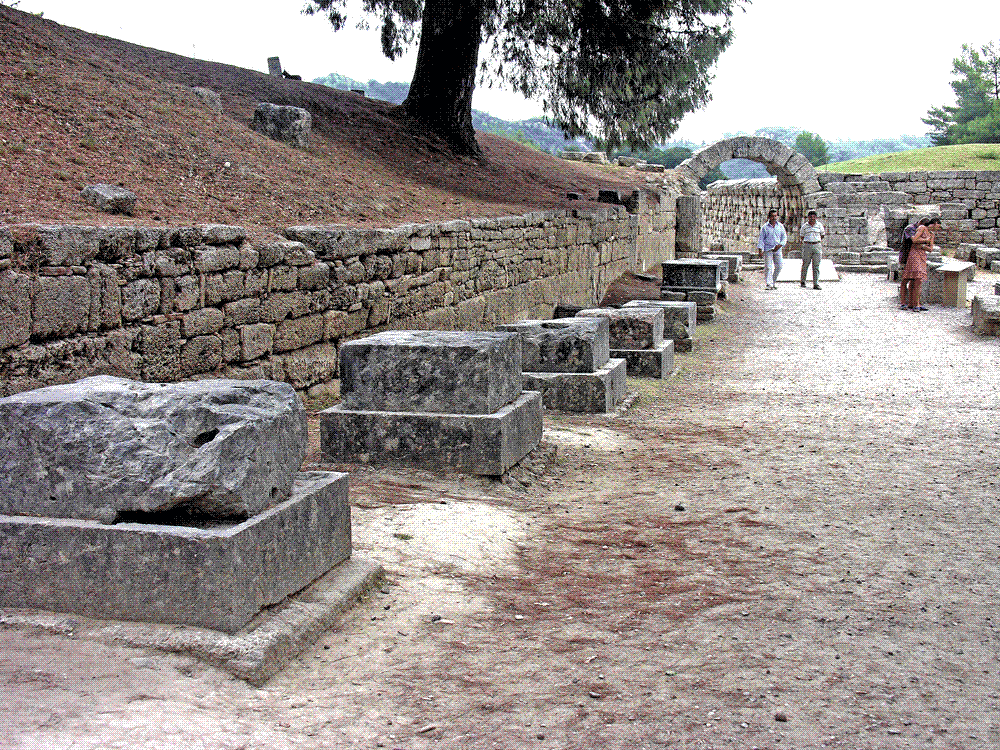
Culture AP · BBC · Aug 3, 2026 European soccer body UEFA warns FIFA of legal action over Infantino's abandoned plan to sell World Cup stakes UEFA warned FIFA it could take legal action over president Gianni Infantino's failed plan to sell commercial stakes in the men's World Cup, according to senior European soccer officials. Opponents threatened 'non co-operation' with FIFA unless Infantino steps back, deepening a governance crisis. Several national federations have withdrawn support for his re-election. Analogies The Zanes of Olympia: statues cast from cheaters' fines By the platform have been set up bronze images of Zeus. These have been made from the fines inflicted on athletes who have wantonly broken the rules of the contests, and they are called Zanes (figures of Zeus) by the natives.
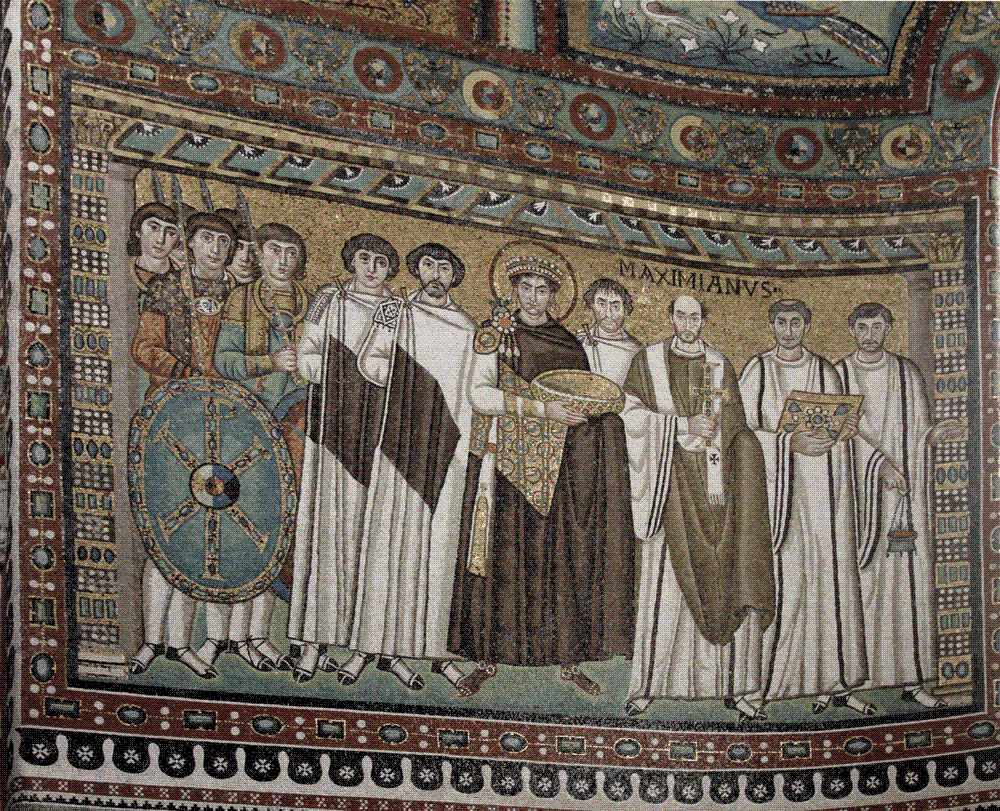
Pausanias, Description of Greece 5.21.2, trans. W. H. S. Jones (Loeb, 1918); Perseus Digital Library → The Blue and Green factions and the Nika revolt against Justinian In every city the population has been divided for a long time past into the Blue and the Green factions; but within comparatively recent times it has come about that, for the sake of these names and the seats which the rival factions occupy in watching the games, they spend their money and abandon their bodies to the most cruel tortures ... I, for my part, am unable to call this anything except a disease of the soul.
Procopius, History of the Wars 1.24, trans. H. B. Dewing (Loeb, 1914); Internet Medieval Sourcebook, Fordham University → Pindar's Olympian 1: the glory of the games above all wealth Water is best, and gold, like a blazing fire in the night, stands out supreme of all lordly wealth. But if, my heart, you wish to sing of contests, look no further for any star warmer than the sun ... and let us not proclaim any contest greater than Olympia.
Pindar, Olympian 1 (476 BC), trans. Diane Arnson Svarlien; Perseus Digital Library → Dante's simoniacs: those who put holy things up for sale O Simon Magus, O forlorn disciples, / Ye who the things of God, which ought to be / The brides of holiness, rapaciously / For silver and for gold do prostitute,
Dante Alighieri, Inferno, Canto XIX, trans. Henry Wadsworth Longfellow (1867); Wikisource → Panathenaic Prize Amphora: the foot-race On the body of this two-handled prize vase four nude runners stretch full-tilt across the clay, heads forward, arms pumping, the timeless image of athletes competing for honor. Such amphorae, filled with sacred olive oil from Athena's groves, were the official prizes of the Panathenaic games, their reverse always stamped with the goddess herself. The vessel fuses the athletic contest, its guardian deity, and its reward into a single object, a reminder that the games and their prizes were once held in trust for a whole community rather than sold off in shares.
Attic black-figure Panathenaic prize amphora attributed to the Euphiletos Painter, ca. 530–520 BC; British Museum (B137), via Wikimedia Commons → El Greco: Christ Driving the Money Changers from the Temple With a raised cord whip and a swirl of rose and blue robes, Christ scatters the traders who had turned a sacred precinct into a marketplace, their bodies recoiling in a diagonal cascade of alarm. El Greco stages the cleansing amid grand classical columns, coins and caged doves spilling underfoot, dividing the panel between the guilty who flee and the faithful who look on. It is the archetypal image of the sacred defended against those who would put it up for sale.
El Greco (Domenikos Theotokopoulos), Christ Driving the Money Changers from the Temple, c. 1570; Wikimedia Commons (Google Art Project) → 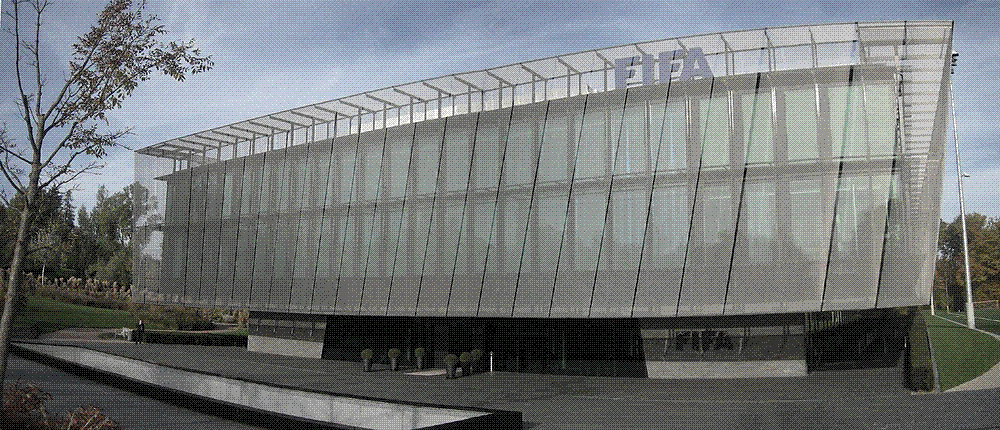

_-_Christ_Driving_the_Money_Changers_from_the_Temple_-_Google_Art_Project.jpg)