BBC
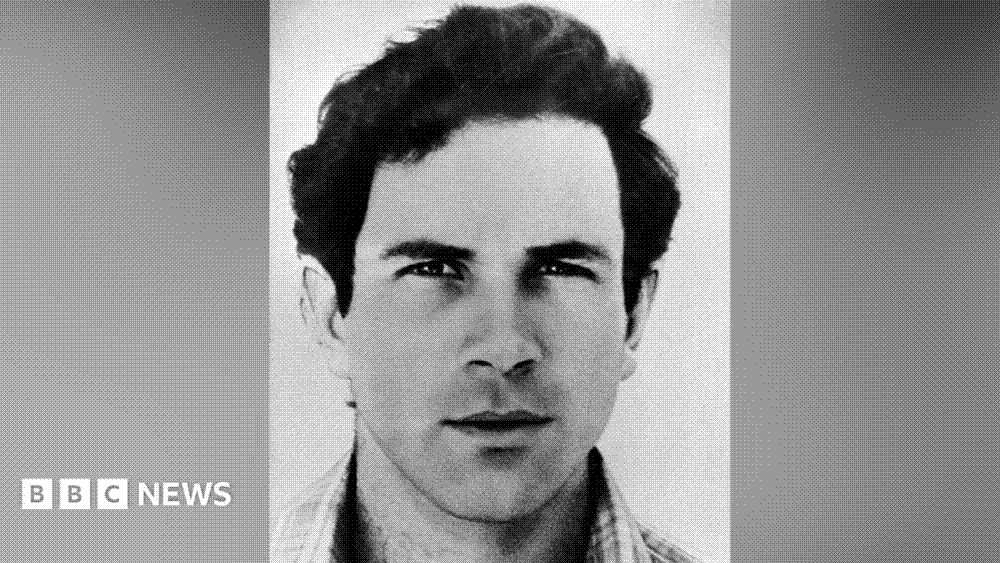
Uganda unveils a statue of Yonatan Netanyahu, the Israeli commander killed in the 1976 Entebbe rescue, on the raid's 50th anniversary Uganda unveiled a monument to Lieutenant Colonel Yonatan 'Yoni' Netanyahu, the only Israeli soldier killed leading the 1976 raid that freed more than 100 hostages held at Entebbe airport, marking the operation's 50th anniversary. Ugandan army chief Gen Muhoozi Kainerugaba, who led the ceremony, praised Netanyahu's 'courage and selfless service' and hailed warming ties with Israel. The statue, showing Netanyahu striding forward, stands outside the old airport terminal where the rescue took place. Analogies Xenophon's Ten Thousand reach the sea Xenophon settled in his mind that something extraordinary must have happened, so he mounted his horse, and taking with him Lycius and the cavalry, he galloped to the rescue. Presently they could hear the soldiers shouting and passing on the joyful word, "The sea! the sea!"
Xenophon, Anabasis, Book IV (trans. H. G. Dakyns), Project Gutenberg → Henry Havelock and the relief of Lucknow In the autumn of 1857, General Henry Havelock drove his outnumbered column through rebel-held country to break the siege of the Lucknow Residency, where British families had been trapped for months. His force cut its way in, only to be besieged in turn until a second army could escort the survivors safely out. Havelock, the commander who had fought his way to the captives, died of dysentery within days of their deliverance, never to see home again.
Henry Havelock, Wikipedia → David recovers the captives at Ziklag (1 Samuel 30) And David recovered all that the Amalekites had carried away: and David rescued his two wives.
And there was nothing lacking to them, neither small nor great, neither sons nor daughters, neither spoil, nor any thing that they had taken to them: David recovered all.
The Bible, King James Version, 1 Samuel 30:18-19 (Wikisource) → David's lament: 'How are the mighty fallen' (2 Samuel 1) How are the mighty fallen in the midst of the battle! O Jonathan, thou wast slain in thine high places.
I am distressed for thee, my brother Jonathan: very pleasant hast thou been unto me: thy love to me was wonderful, passing the love of women.
How are the mighty fallen, and the weapons of war perished!
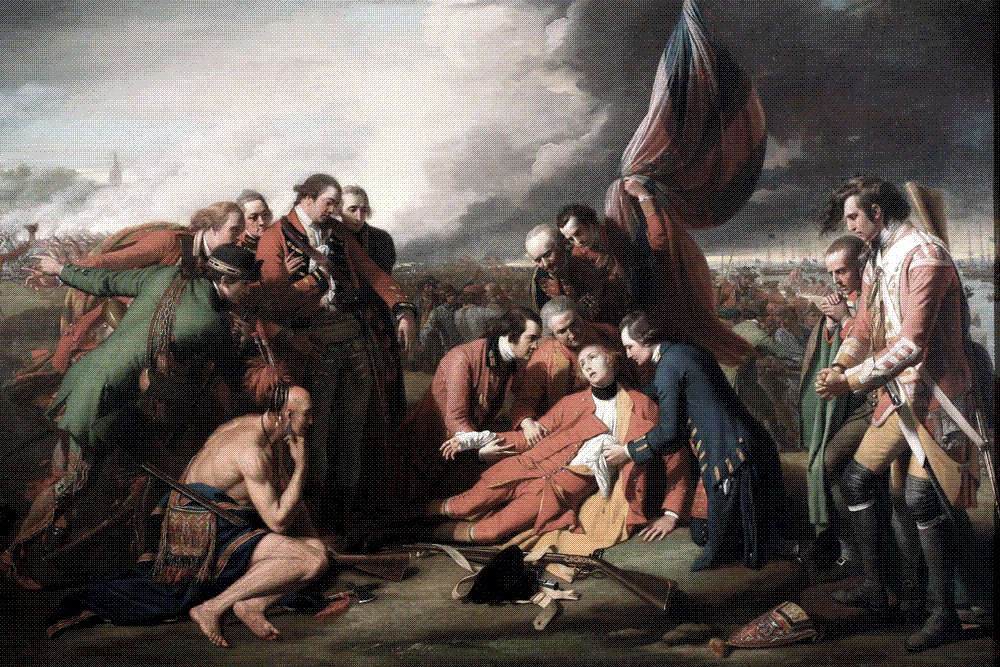
The Bible, King James Version, 2 Samuel 1:25-27 (Wikisource) → Benjamin West, The Death of General Wolfe (1770) Benjamin West froze the moment a victorious commander slips away, painting General James Wolfe sinking into the arms of his officers on the Plains of Abraham just as word arrives that Quebec is won. Grieving soldiers cluster around the pale, Christ-like figure, turning a battlefield death into a secular Deposition. The canvas made the fallen leader an instant icon, mourning cast in oil the way Entebbe's hero is now cast in bronze.
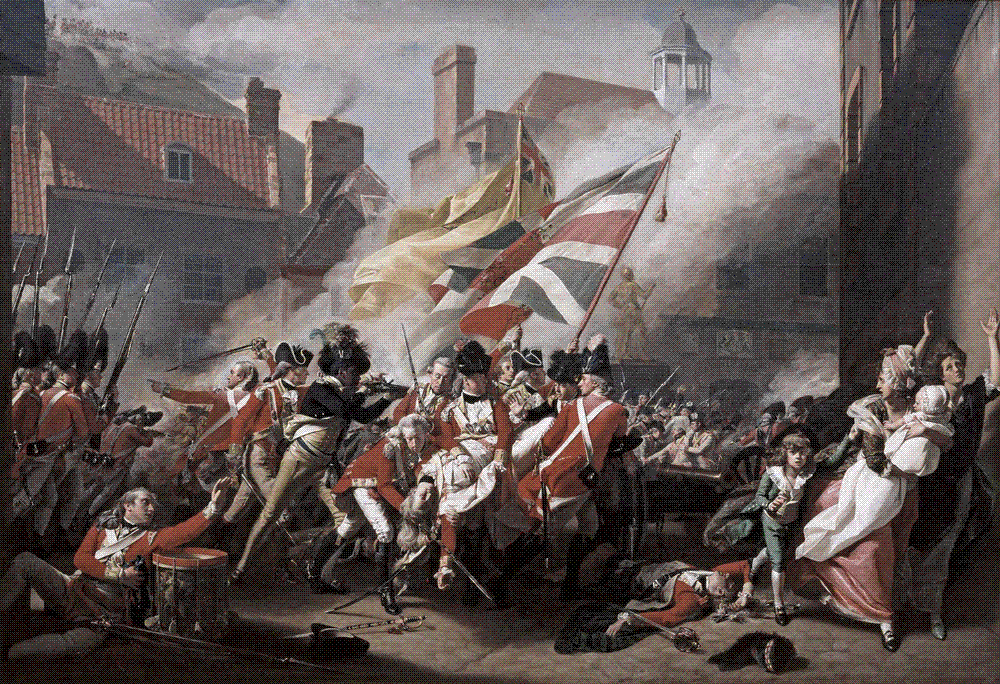
The Death of General Wolfe, Wikipedia → John Singleton Copley, The Death of Major Peirson (1783) John Singleton Copley painted the young Major Francis Peirson struck down in the very instant of triumph, as his men repel a French invasion in the streets of St Helier. Around the fallen officer the battle still rages, smoke and banners swirling while a servant avenges him and townsfolk flee. The picture makes a martyr of the commander who fell securing the safety of others, the same paradox now memorialized outside Entebbe's old terminal.
The Death of Major Peirson, Wikipedia →