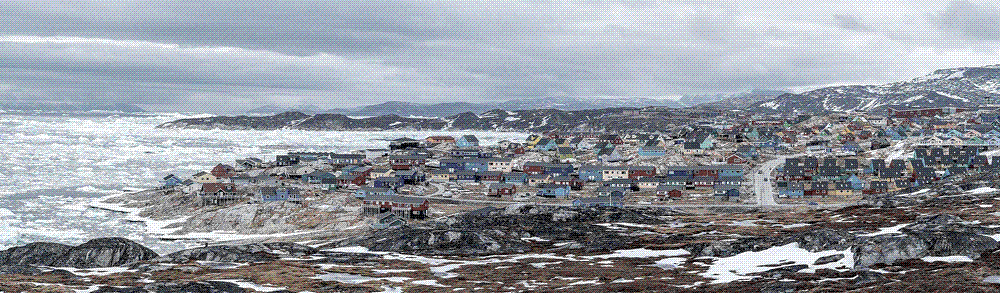
A panorama of Ilulissat in western Greenland: painted timber houses on bare rock above a fjord

Ekrem Canli / Wikimedia Commons, CC BY-SA 4.0

PoliticsBBC · AP · ReutersSep 23, 2026

The United States signs an Arctic security pact with Denmark and Greenland and will build two military bases on the island

The deal was announced at the start of the week and signed at the end of it. On Saturday the Trump administration said it had reached an agreement with Denmark giving the United States an expanded military presence and control over security matters in Greenland, with the island remaining formally under Danish sovereignty; Trump described it as giving Washington 'permanent security control'. NATO welcomed the agreement, and Danish and Greenlandic leaders said they were cautiously optimistic while insisting that sovereignty was untouched. On Wednesday, on the margins of the UN General Assembly, the United States, Denmark and Greenland signed the Arctic security pact formally: two American bases will be built on the island, and Danish sovereignty is reaffirmed in the text. Greenlanders welcomed the outcome warily, with trust the recurring word in local reaction, and analysts concluded that the territory itself may emerge the principal beneficiary of an argument that came close to splitting the alliance.
Analogies

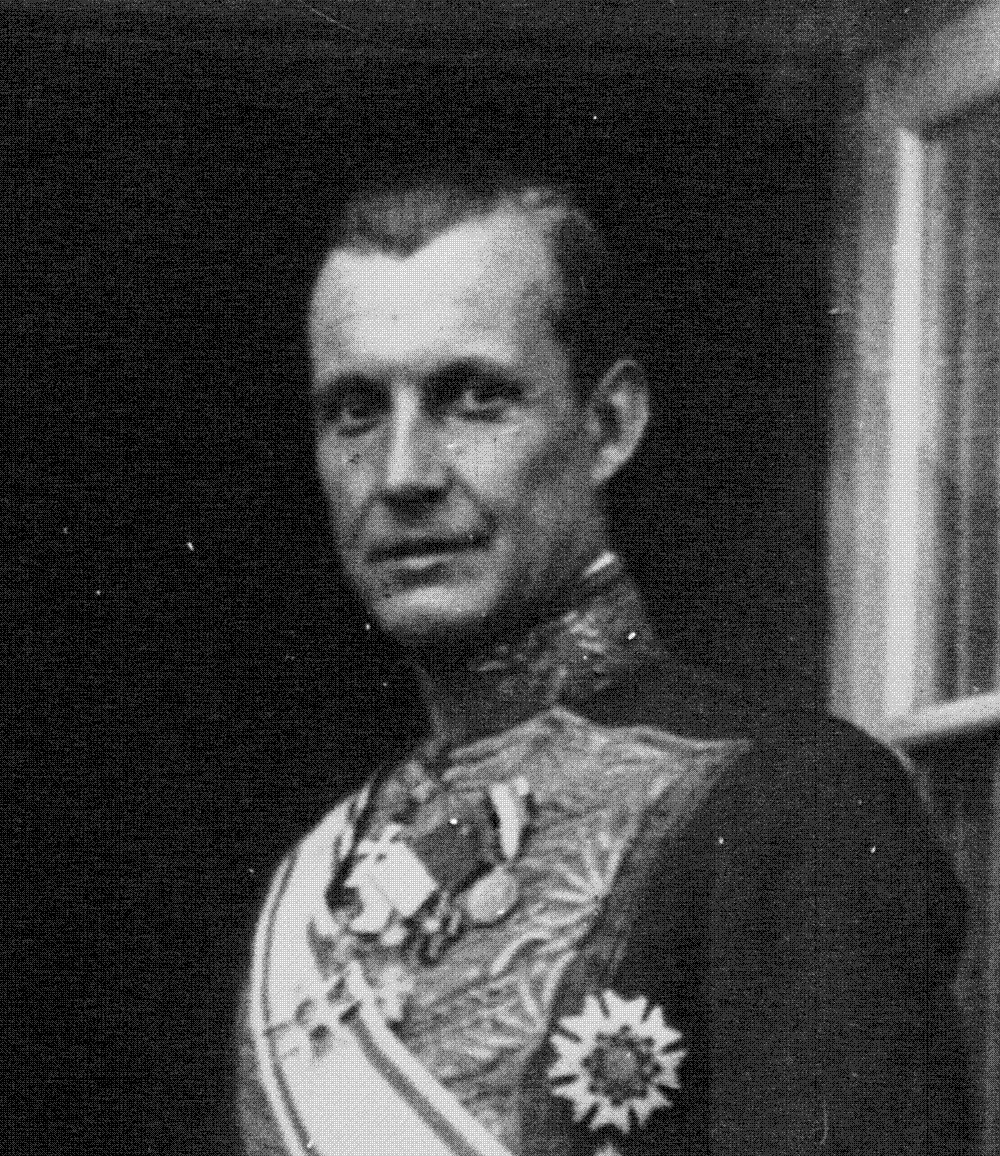
Portrait of Henrik Kauffmann, the Danish minister in Washington who signed the 1941 Greenland agreement

April 1941: a Danish envoy signs away the defence of Greenland to the United States while insisting on Danish sovereignty

The Government of the United States of America reiterates its recognition of and respect for the sovereignty of the Kingdom of Denmark over Greenland.
Agreement Relating to the Defense of Greenland, signed at Washington, 9 April 1941, by Secretary of State Cordell Hull and Henrik de Kauffmann, Danish Minister in Washington; Article I. →
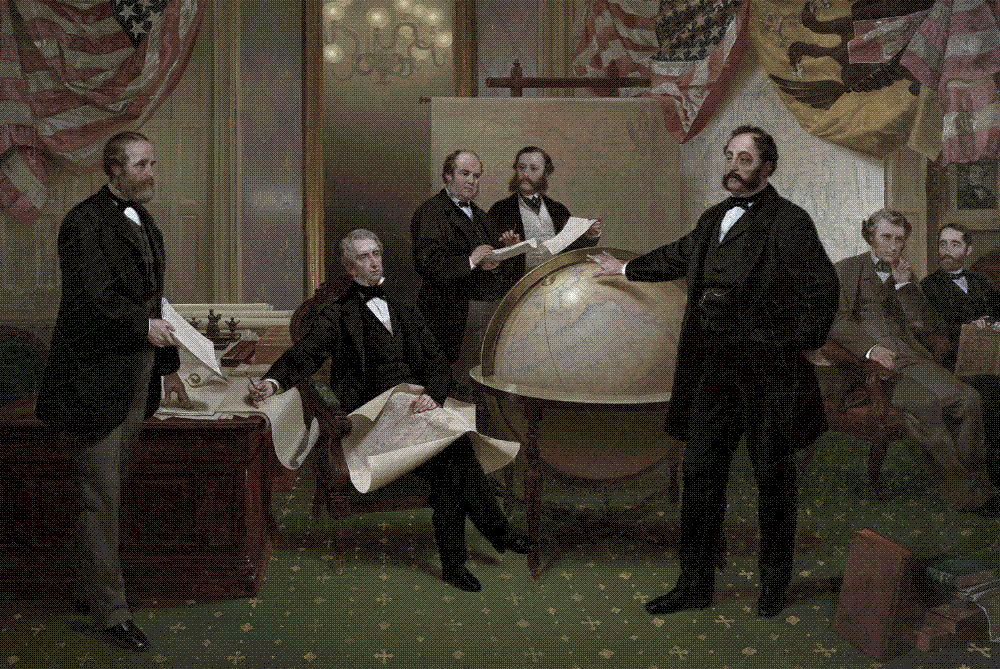
Nineteenth-century painting of the signing of the Alaska treaty: officials gathered around a table with a globe at one side

1867: the United States buys an Arctic territory from a European empire, and is mocked for it for a generation

His Majesty the Emperor of all the Russias, agrees to cede to the United States, by this convention, immediately upon the exchange of the ratifications thereof, all the territory and dominion now possessed by his said Majesty on the continent of America and in adjacent islands
Treaty concerning the Cession of the Russian Possessions in North America, signed at Washington, 30 March 1867, Article I. →
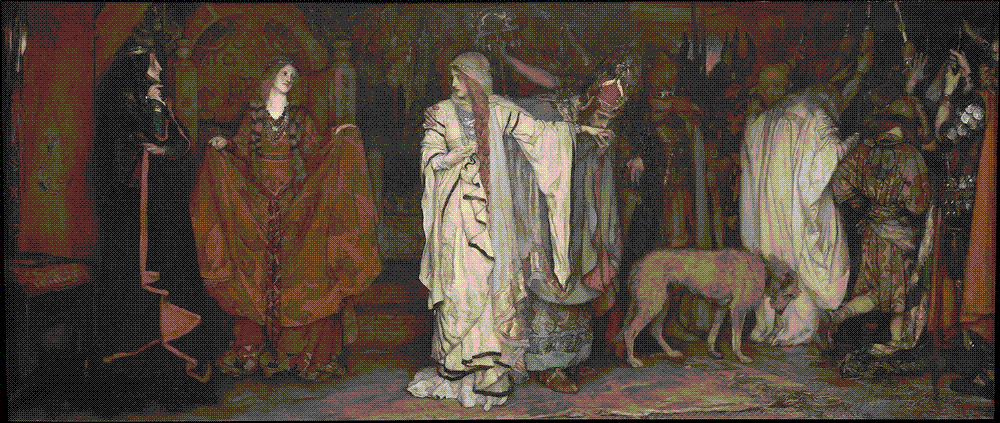
Edwin Austin Abbey's painting of the first scene of King Lear, the old king dividing his kingdom before the court

King Lear gives away the sway and keeps the name, and discovers what the arrangement is worth

Only we shall retain The name, and all the addition to a king; the sway, Revenue, execution of the rest, Beloved sons, be yours
William Shakespeare, King Lear, Act I, scene 1 (first published 1608); Project Gutenberg ebook 1532. →
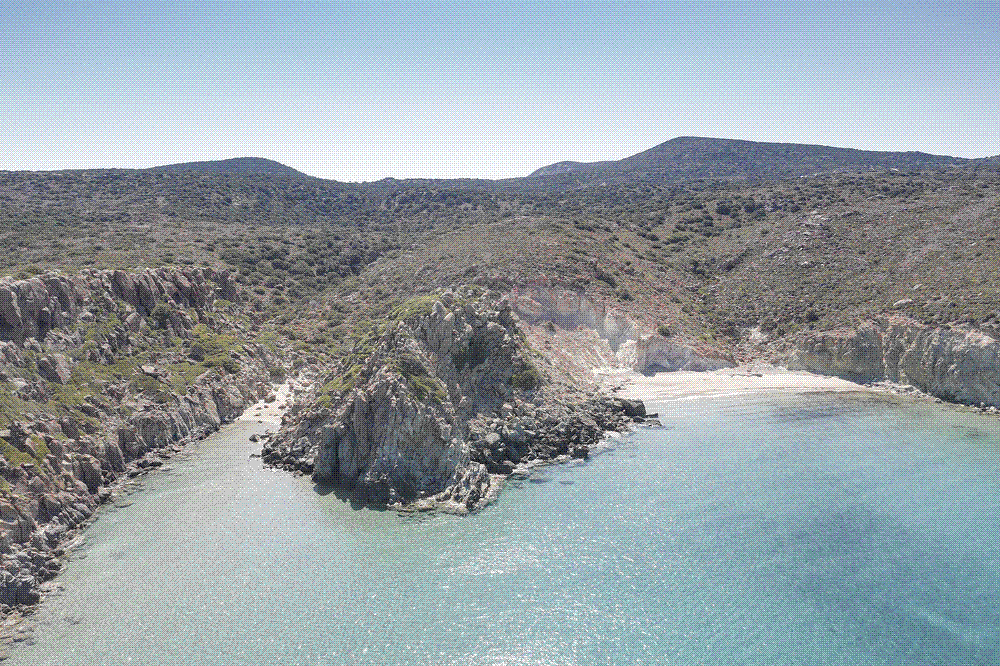
An aerial view of the rocky coast at Kleftiko on Milos, the island the Athenians called Melos

The Melian Dialogue: the Athenians explain to a small island what its rights amount to

you know as well as we do that right, as the world goes, is only in question between equals in power, while the strong do what they can and the weak suffer what they must.
Thucydides, History of the Peloponnesian War, book V, the Melian Dialogue, trans. Richard Crawley (London: J. M. Dent, 1874); Project Gutenberg ebook 7142. →
A nineteenth-century painting of icebergs under a midnight sun off Greenland, with tiny kayaks on still water

Carl Rasmussen paints 'Summer Night off the Greenland Coast' in 1874, the island as Europe imagined it

A Danish marine painter's Greenland: a low midnight sun behind a wall of icebergs, the water dead calm and the whole picture given over to cold light, with two small kayaks and a sailing ship reduced almost to punctuation at the bottom of the canvas. Rasmussen painted it in Copenhagen for a Danish public that owned the place and had mostly not seen it, and he drowned off Greenland eight years later.
Carl Rasmussen, Sommernat under den grønlandske kyst circa 1850 (Summer Night off the Greenland Coast, circa 1850), 1874, oil on canvas; Statens Museum for Kunst, Copenhagen. →
Landseer's painting of two polar bears among the timbers of a wrecked ship in the Arctic ice, one holding a torn red flag

Landseer's 'Man Proposes, God Disposes' (1864) shows what the Arctic did to the last expedition sure of itself

Two polar bears work over the wreckage of a ship in the pack ice: one tears at a torn red ensign, the other has a human ribcage in its jaws. Landseer painted it while search parties were still bringing back relics of Sir John Franklin's expedition, lost with 129 men in the search for the Northwest Passage. Exhibited at the Royal Academy, it was thought indecent by some of Franklin's survivors' families — a picture of Arctic ambition ending as scattered timber and bone.
Edwin Landseer, Man Proposes, God Disposes, 1864, oil on canvas, 91.4 × 243.7 cm; Royal Holloway, University of London. →