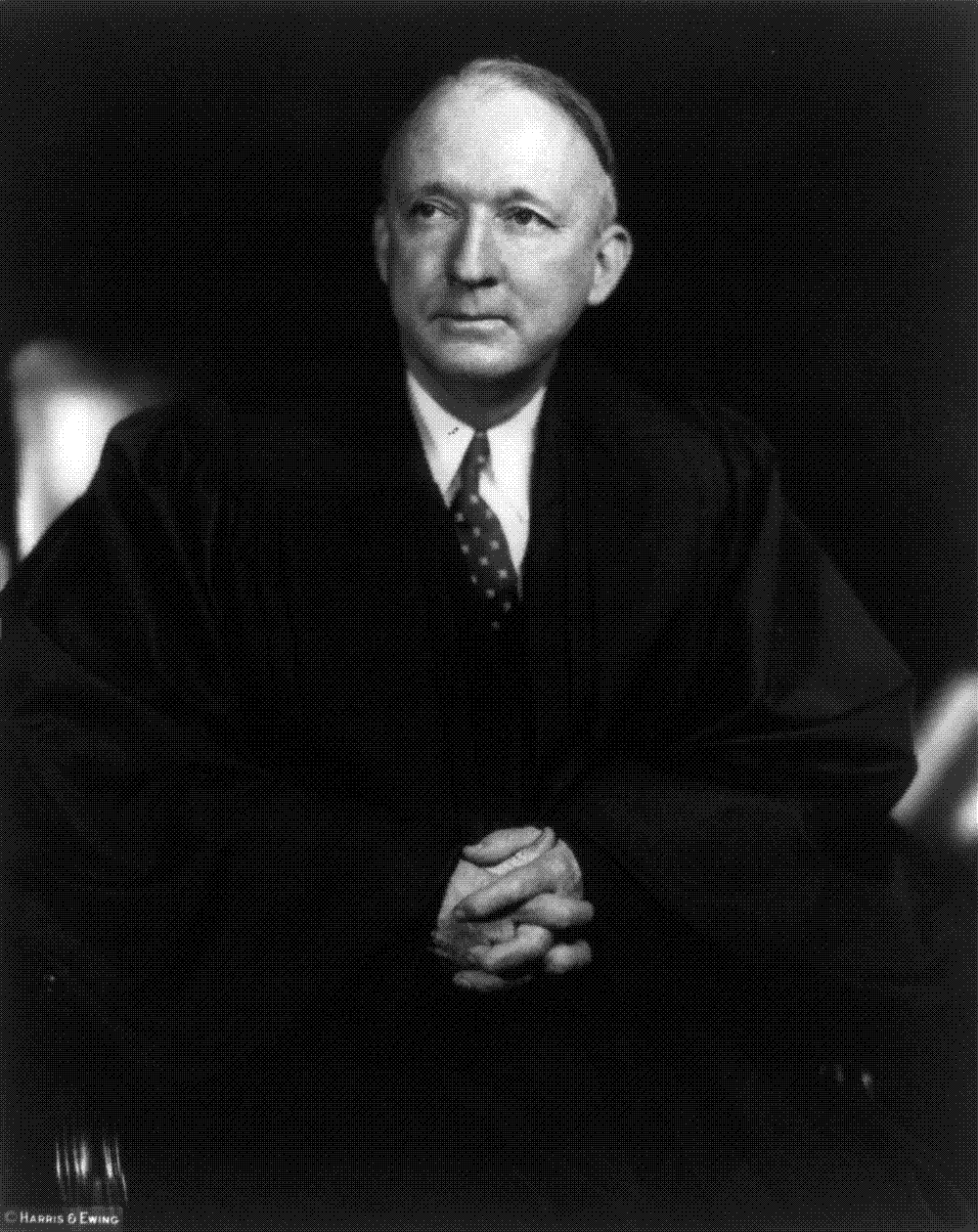
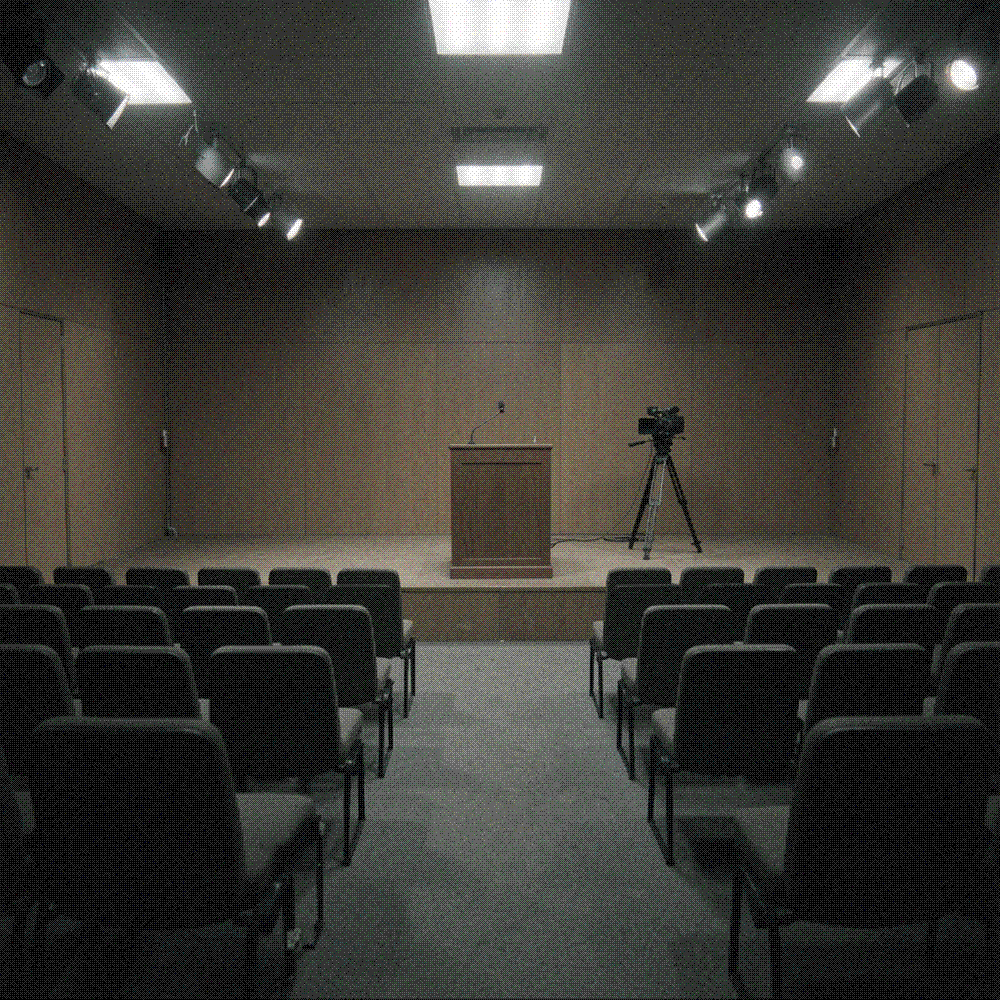
An empty press briefing room at night: rows of vacant chairs facing a bare lectern, one camera on a tripod at the back

AI-generated

PoliticsReuters · BBC · APSep 25, 2026

A judge orders the White House to restore press access for CNN, MS NOW and Politico, which are then kept out of the state dinner

The week began with the ban in force: reporters from CNN, MS NOW and Politico had their White House badges confiscated and were turned away at the gate. On Tuesday the three outlets sued, calling the exclusion a violation of the First Amendment, while other networks suspended some White House coverage in protest. The standoff followed the president to New York, where he told CNN's reporters at the United Nations that they should not be there. A federal judge heard argument the same day and appeared sceptical of the administration's position, with legal scholars putting its chances low. By Friday the ruling had come: the judge blocked the ban and ordered access restored, and the three outlets were readmitted to the building. They were then refused entry to the state dinner for Xi Jinping — which is where the week's argument actually rests, since the order restores a credential but not the hundred discretionary decisions about who is in the room.
Analogies

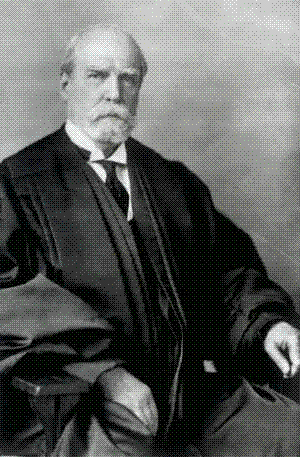
Portrait of Chief Justice Charles Evans Hughes in judicial robes

Near v. Minnesota, 1931: the Supreme Court decides that stopping publication in advance is the thing the First Amendment was written against

it is the chief purpose of the guaranty to prevent previous restraints upon publication
Near v. Minnesota ex rel. Olson, 283 U.S. 697 (1931), opinion of the Court delivered by Chief Justice Charles Evans Hughes. →
Portrait photograph of Supreme Court Justice Hugo Black in robes

The Pentagon Papers case, 1971: Justice Black states what a free press is for, in the plainest sentence in the volume

Only a free and unrestrained press can effectively expose deception in government.
New York Times Co. v. United States, 403 U.S. 713 (1971), concurring opinion of Justice Hugo L. Black. →
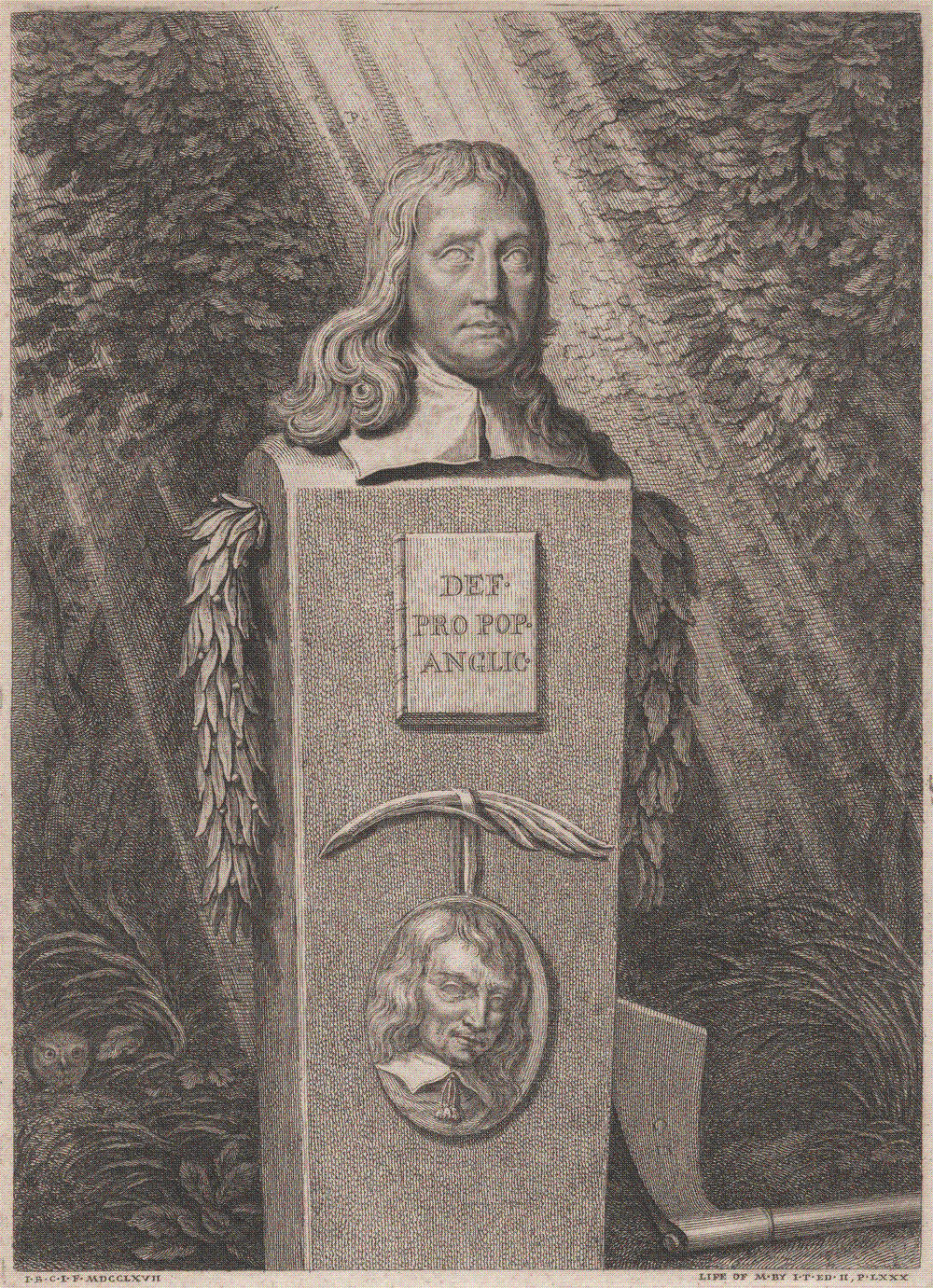
A portrait bust of the poet John Milton

Milton argues in 1644 that licensing is an insult to the reader before it is an injury to the writer

Give me the liberty to know, to utter, and to argue freely according to conscience, above all liberties.
John Milton, Areopagitica: A Speech for the Liberty of Unlicensed Printing, to the Parliament of England (London, 1644); Project Gutenberg ebook 608. →
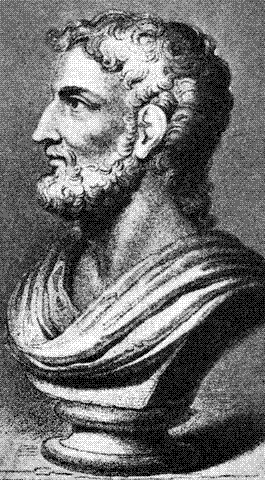
A bust said to represent the Roman historian Tacitus

Tacitus opens the Histories by naming the condition that makes honest reporting possible, and its rarity

for it is the rare fortune of these days that a man may think what he likes and say what he thinks
Cornelius Tacitus, The Histories, book I, ch. 1, trans. W. Hamilton Fyfe (Oxford: Clarendon Press, 1912); Project Gutenberg ebook 16927. →
Daumier's lithograph of a printer in shirtsleeves standing with fists raised, figures struggling behind him

Daumier's 'Ne vous y frottez pas!' (1834) draws the printer as the man standing in the way

A printer in shirtsleeves and paper cap stands with his fists up and his feet planted, squarely in the centre of the sheet. Behind him on one side a king is being restrained; on the other a figure lies flat on the ground, already knocked down for trying. Daumier drew it during the press prosecutions of the July Monarchy, two years after he had served six months in prison for caricaturing Louis-Philippe, and a year before the September Laws reimposed censorship outright.
Honoré Daumier, Ne vous y frottez pas!! (Don't Meddle With It!!), lithograph published in L'Association mensuelle, March 1834. →
Sixteenth-century woodcut of a printing shop, with men working a wooden press and setting type

Jost Amman's woodcut of a printing shop (1568) records the machine that made the argument necessary

Two men work a wooden press: one inks the forme with leather balls, the other winds the bar, while a third sets type from a case at the back and finished sheets hang to dry. Amman made 114 of these small blocks for a book that gave every trade in the German lands its own picture and verse. The printer's is the only one whose product is other people's sentences, and by 1568 printers across Europe were already being licensed, censored and prosecuted for them.
Jost Amman, 'Der Buchdrucker' (The Printer), woodcut from Hartmann Schopper, Panoplia omnium illiberalium mechanicarum aut sedentariarum artium genera continens (Das Ständebuch), Frankfurt am Main, 1568. →